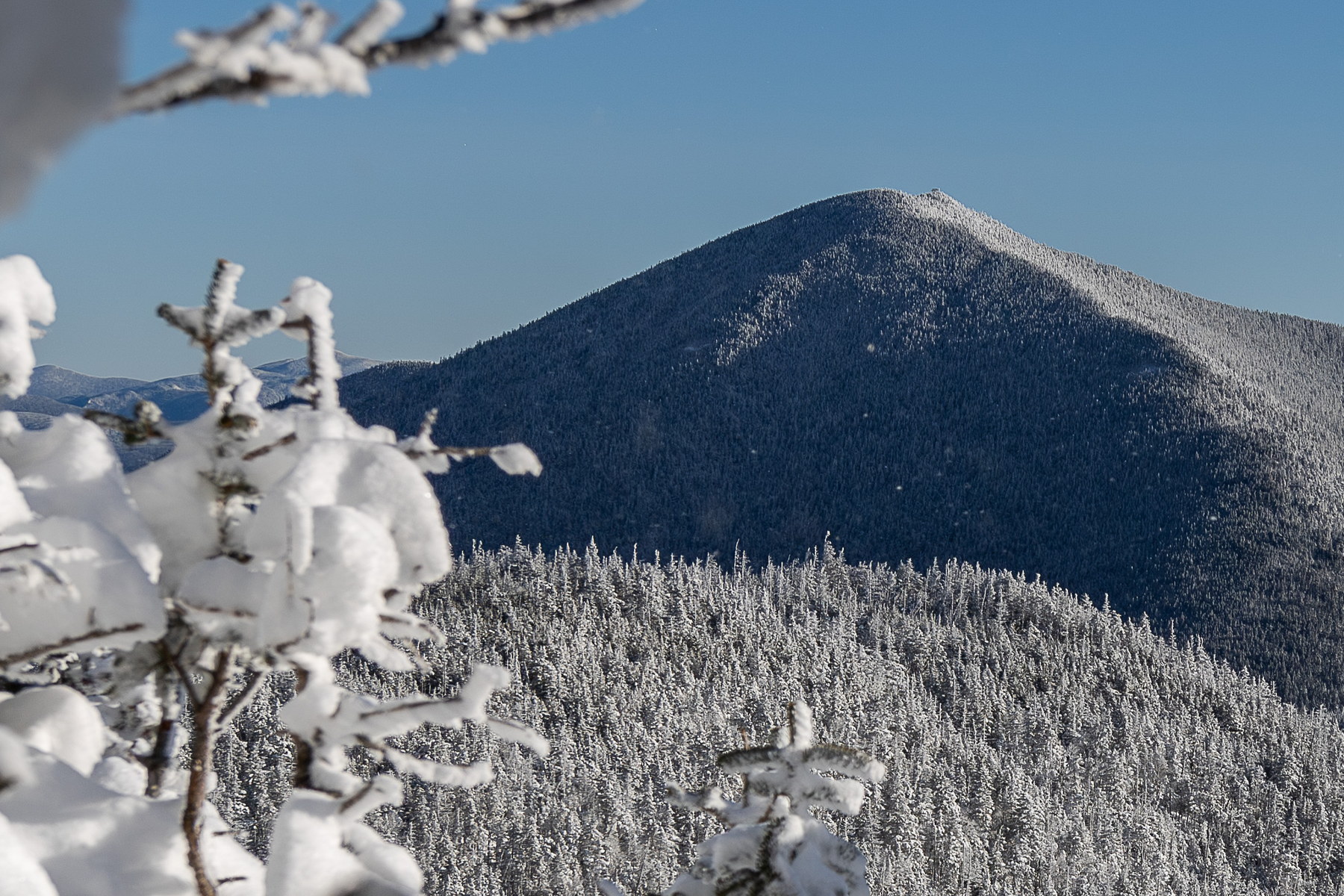
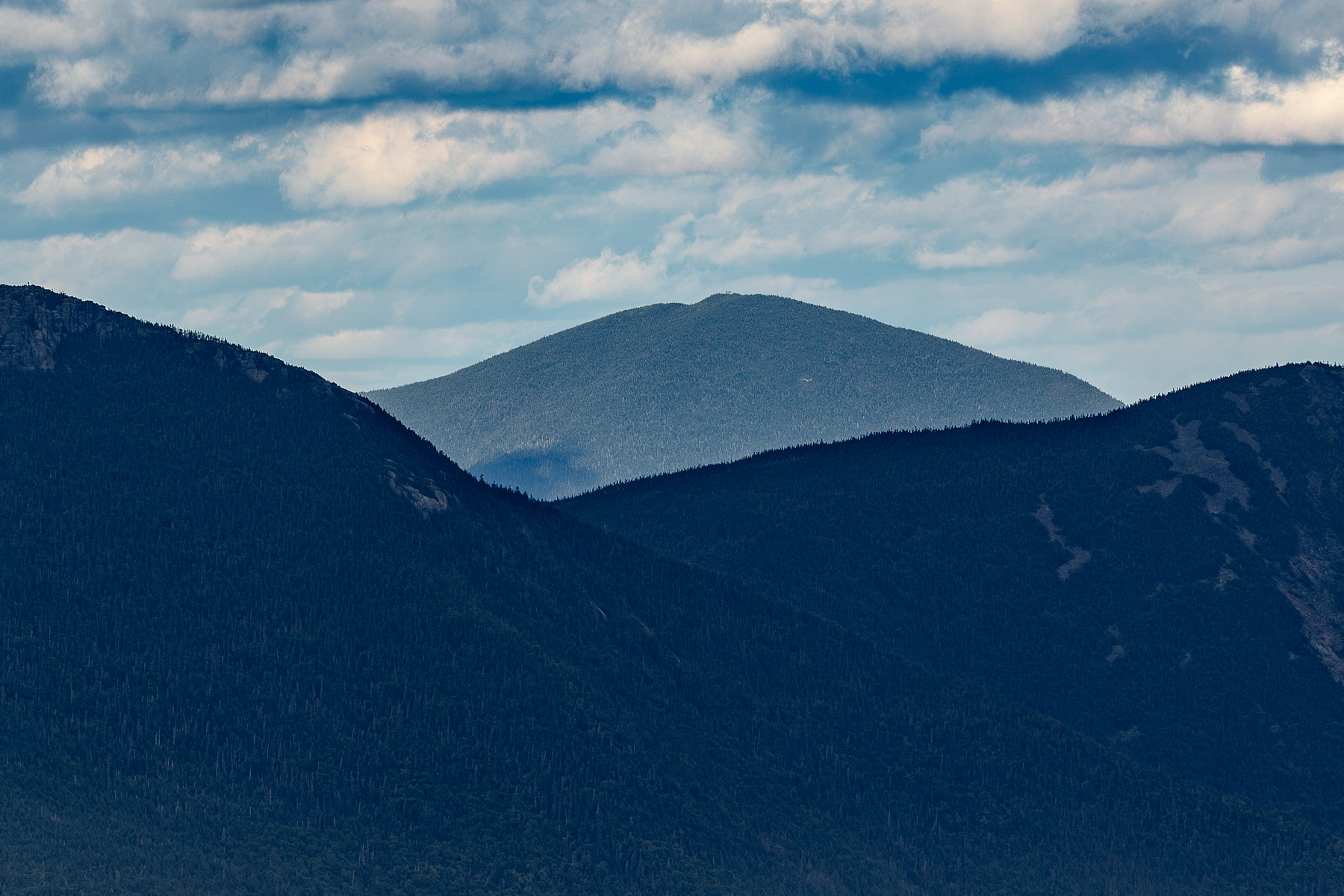
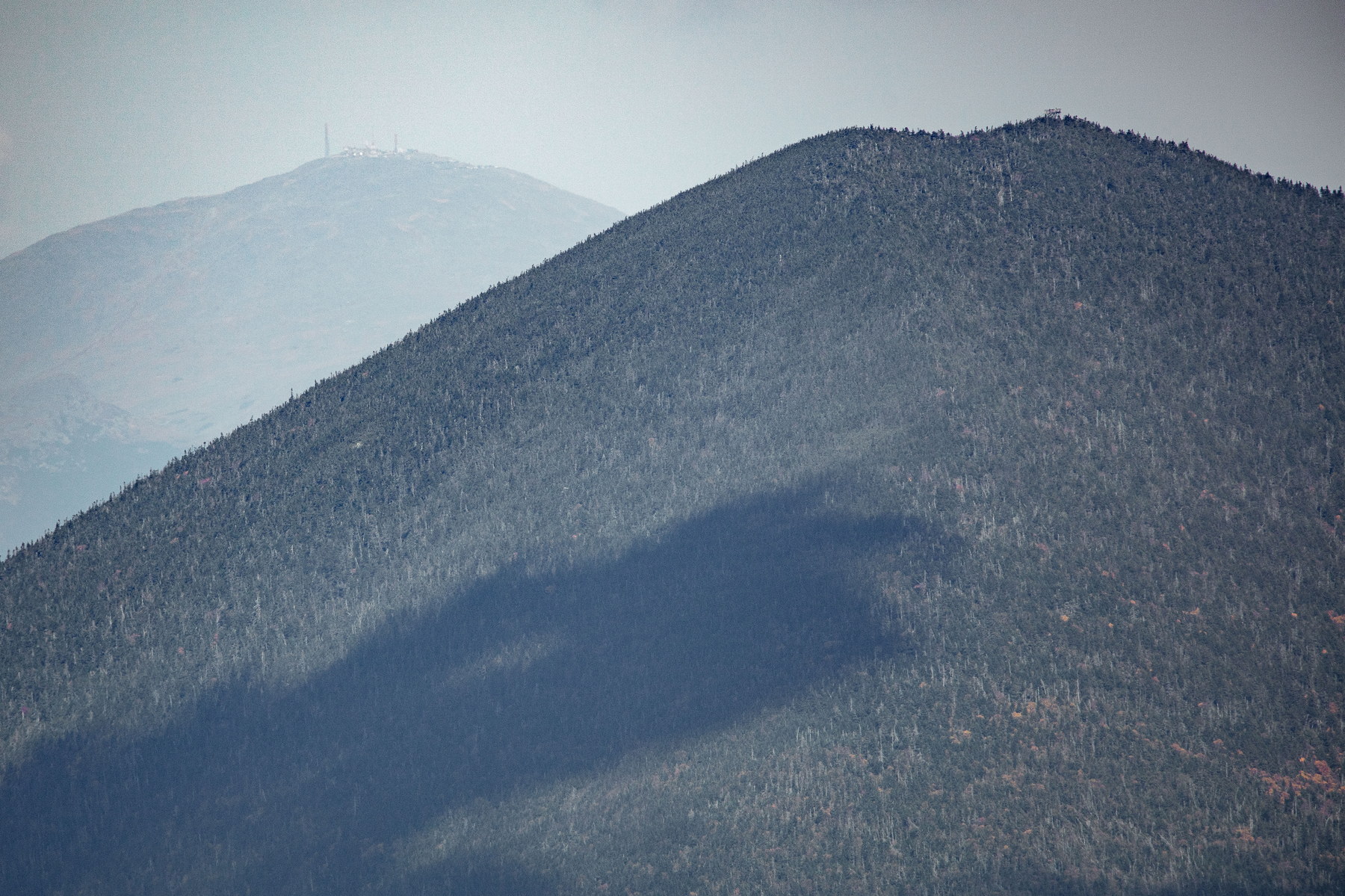
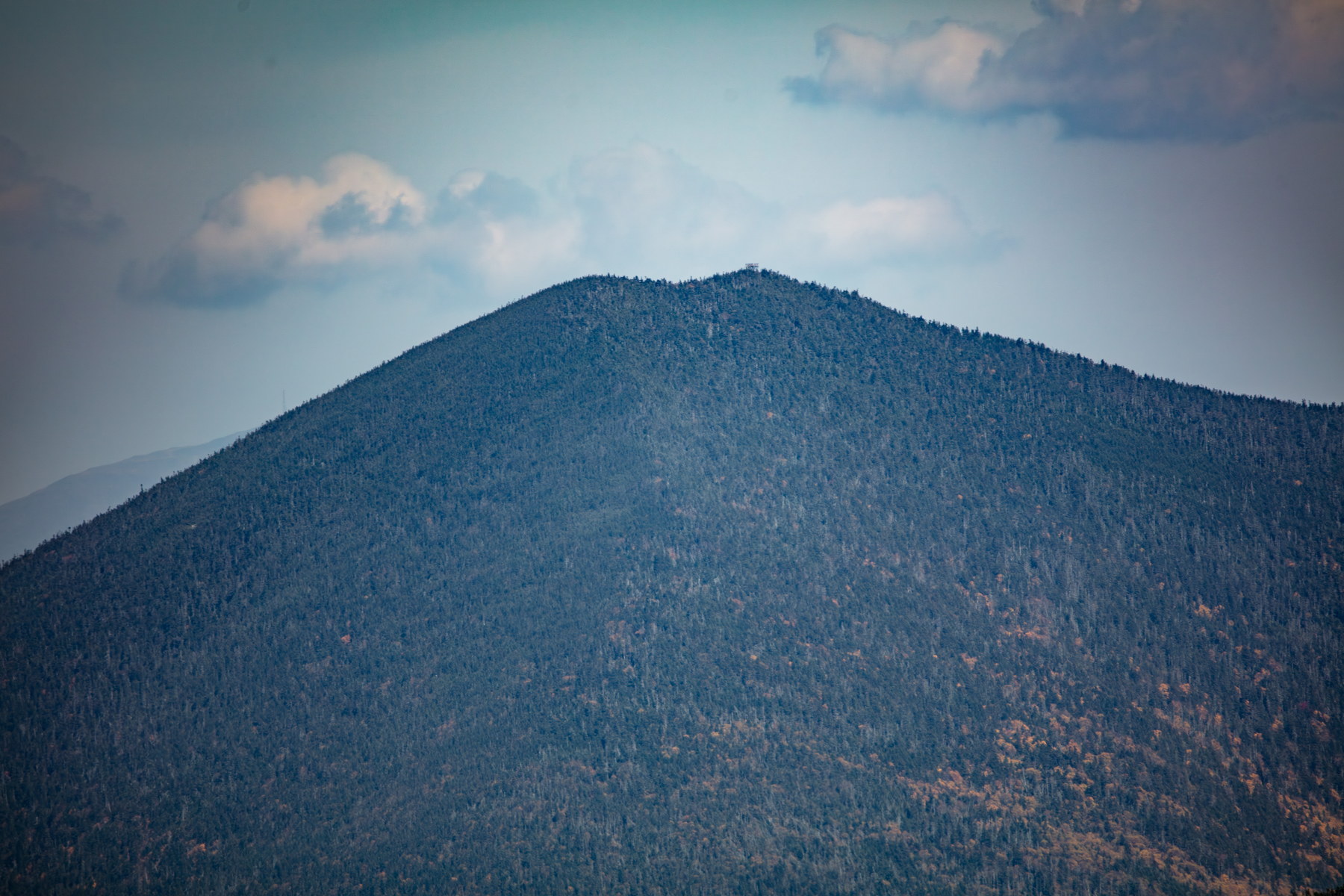
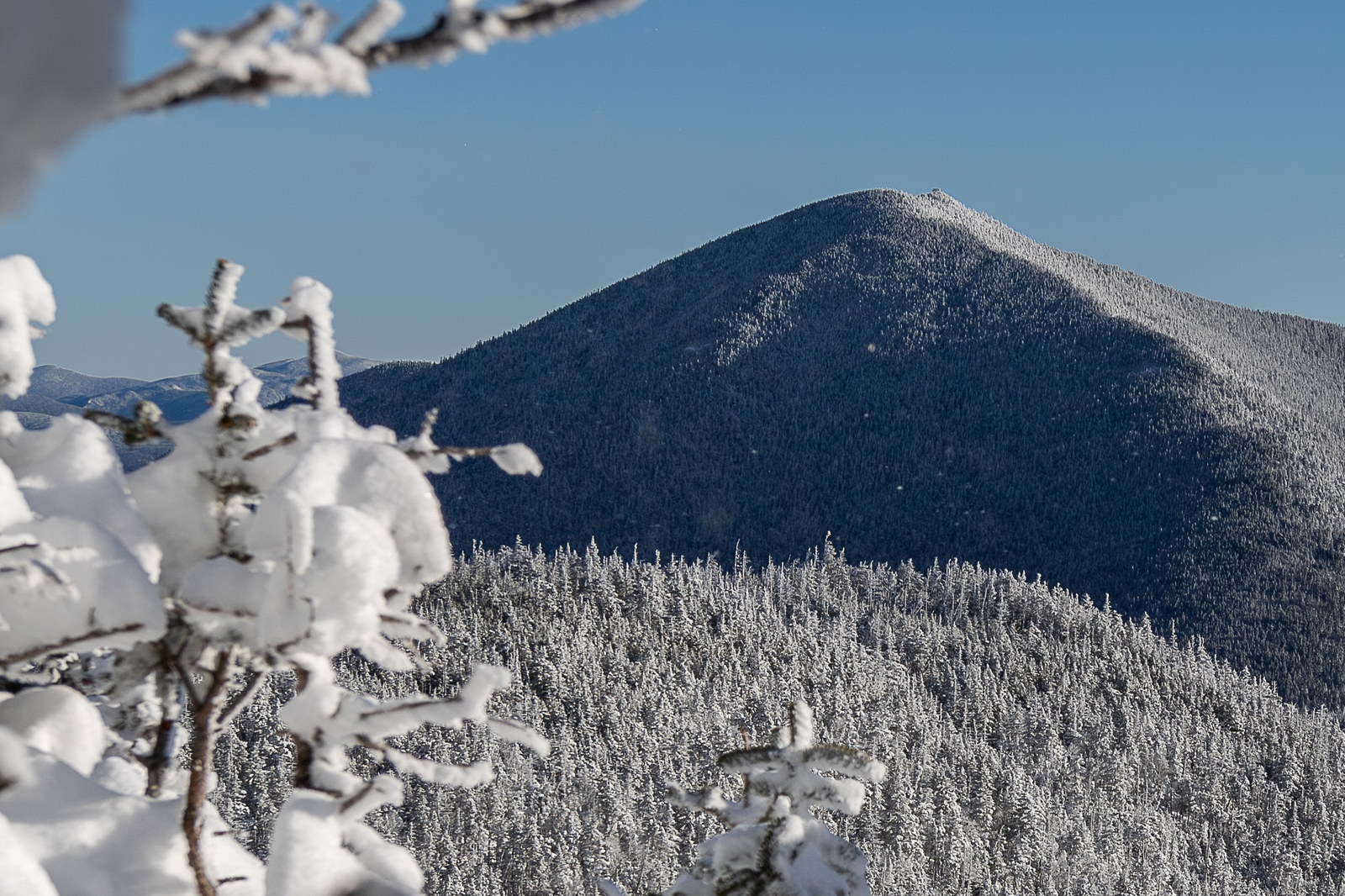
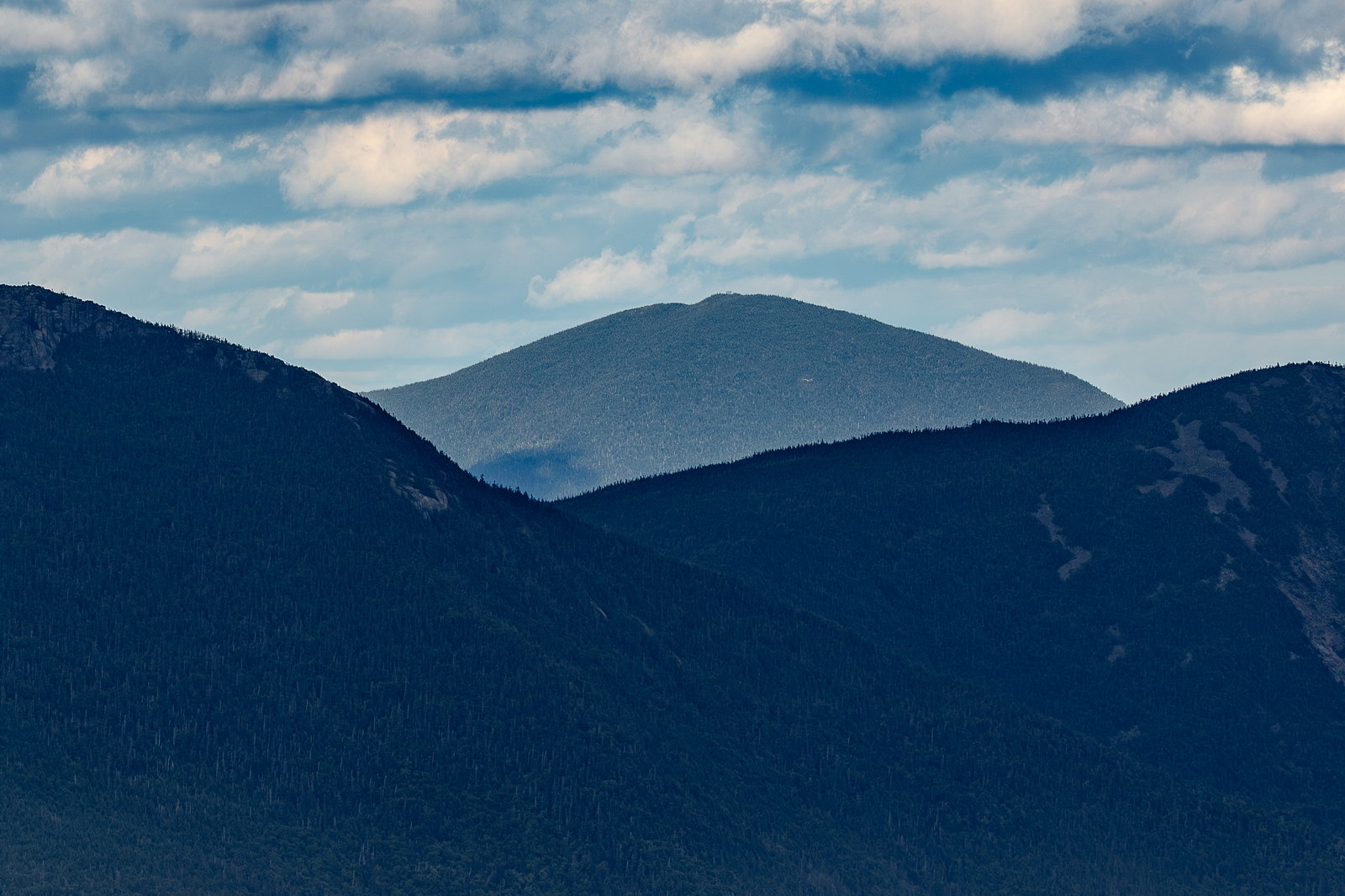
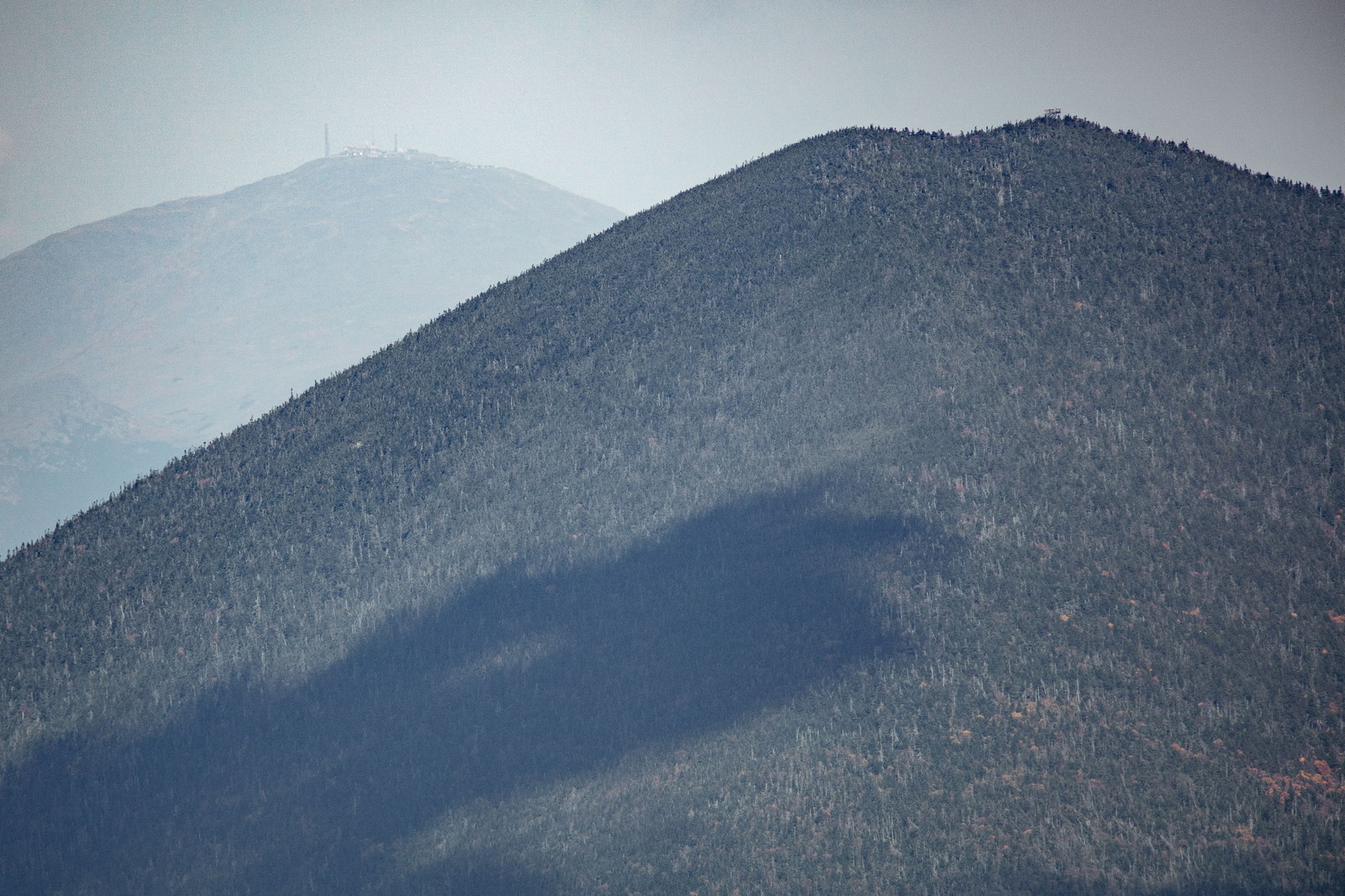
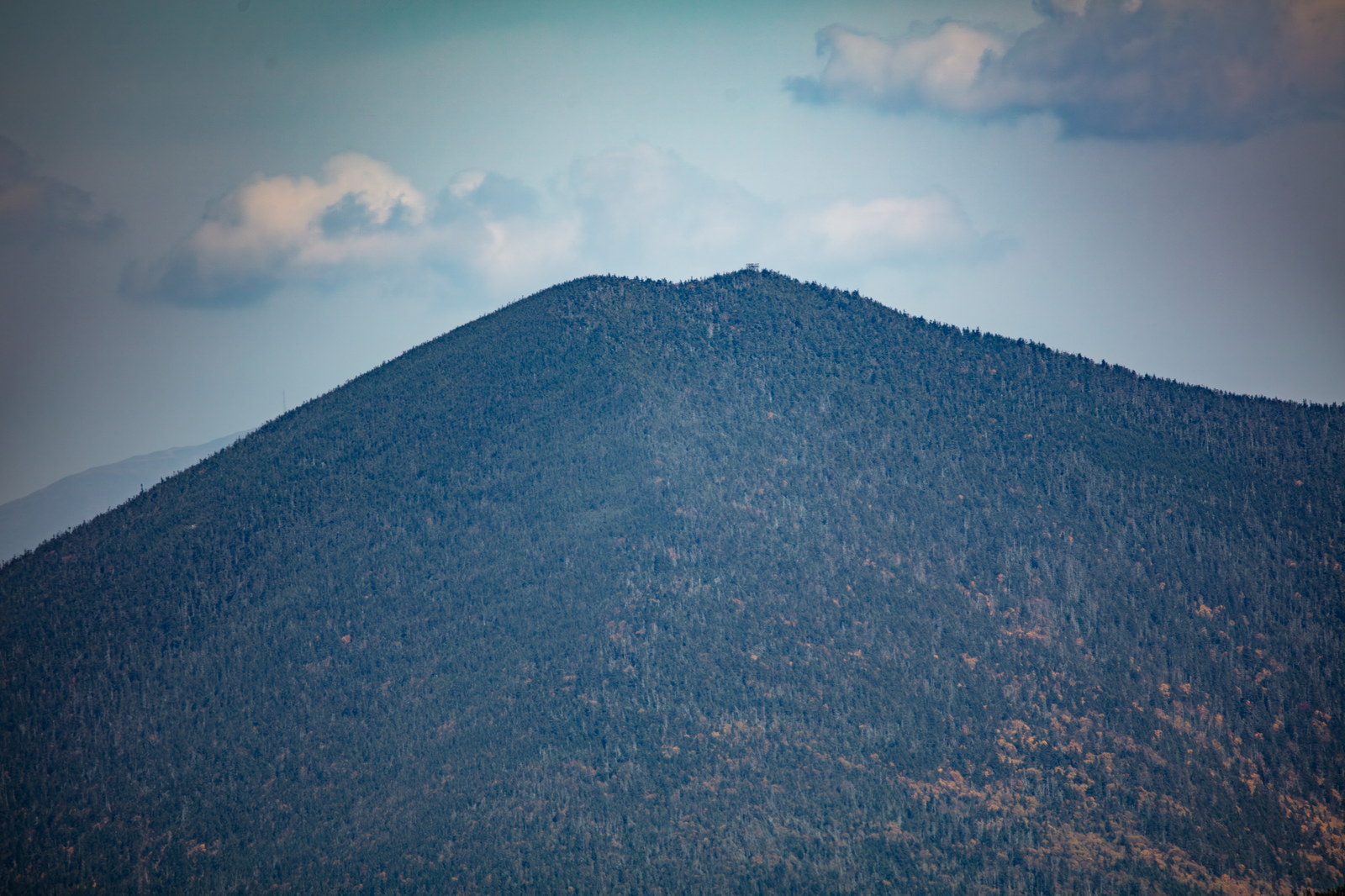
Mount Carrigain is a 4,700-foot mountain in the White Mountains of New Hampshire, located in Grafton County. It is an isolated peak standing near the center of the White Mountain National Forest. Mount Carrigain is known for the expansive views from its summit fire tower, which overlook nearly all the other 4,000-footers. The mountain is the tallest peak in the Pemigewasset Wilderness area and is often cited as having one of the best summit panoramas in the Whites. Mount Carrigain is an isolated peak near the center of the White Mountain National Forest, revered for the expansive views from its summit. The mountain was named for Phillip Carrigain – New Hampshire’s Secretary of State from 1805–1810 and an accomplished cartographer who produced an important 1816 map of NH. (Carrigain himself participated in an 1819 exploratory climb of this then-unmapped mountain.) By 1910, as the White Mountains experienced frequent fires, a fire lookout was established on Mount Carrigain’s summit. Over the years, several wooden fire towers stood on Carrigain. The last full tower was removed in the late 20th century, but the steel viewing platform that remains today actually sits on the base of the final tower (providing one of the finest panoramas in the Whites). Mount Carrigain’s slopes saw logging activity in the early 1900s (notably in Carrigain Notch), but its ruggedness spared it from complete deforestation. It now rises at the heart of the Pemigewasset Wilderness region and is often cited as having a “see everything” view – you can spot nearly all the other 4,000-footers from its platform on a clear day. In White Mountain lore, Carrigain is also famous as the location where photographer Guy Shorey took an iconic panorama in 1925, capturing the vastness of the forest just before the federal government purchased it for preservation.