Howker Ridge • Plant

Detailed information for an alpine or subalpine species recorded along Howker Ridge Trail. Use the back link to return to the catalog.

← Back to Catalog

Sphagnum Moss

Sphagnum (peat moss)
mosspeatwetlandspongybogalpine-fengreen-carpetbryophyte

Short Description

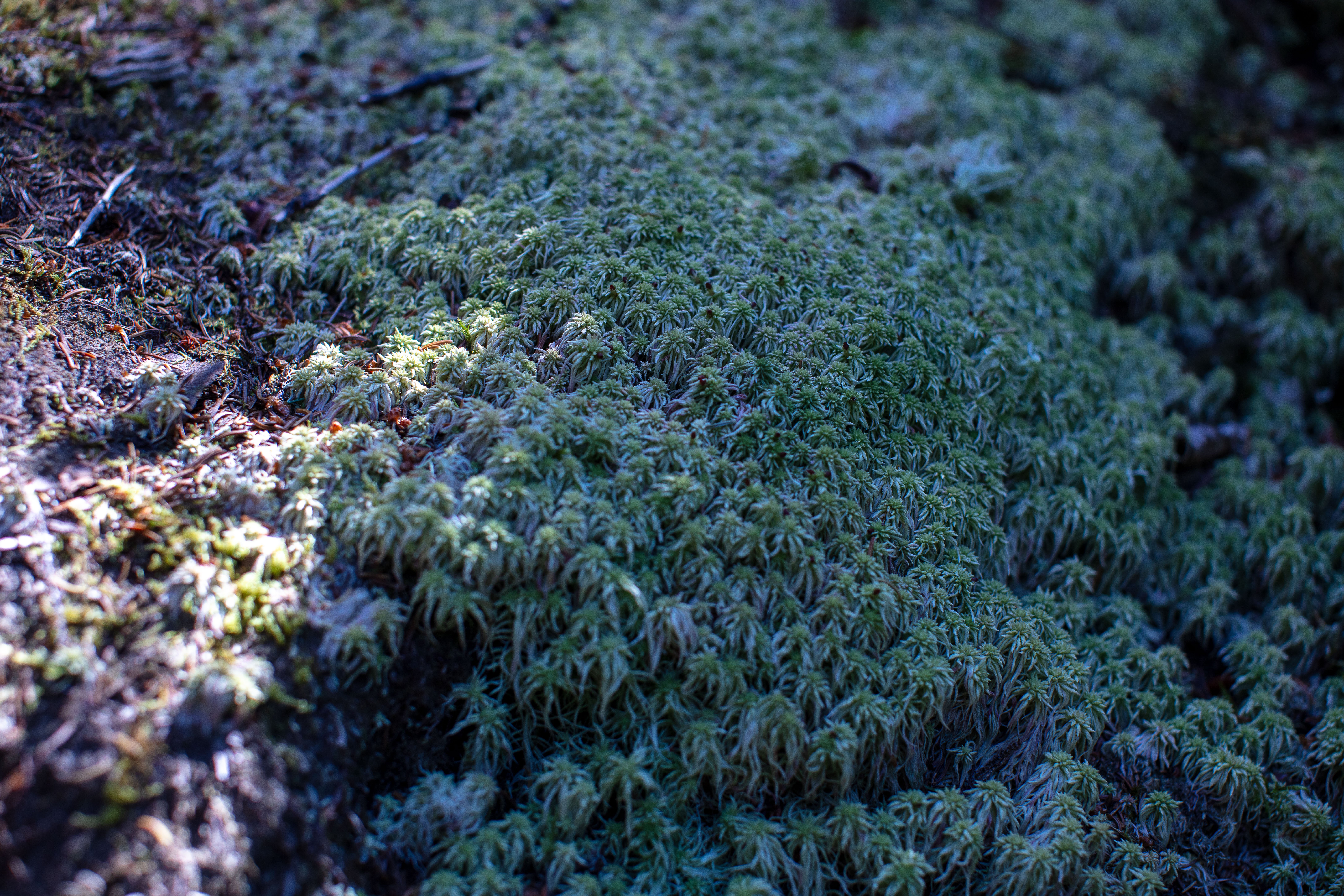
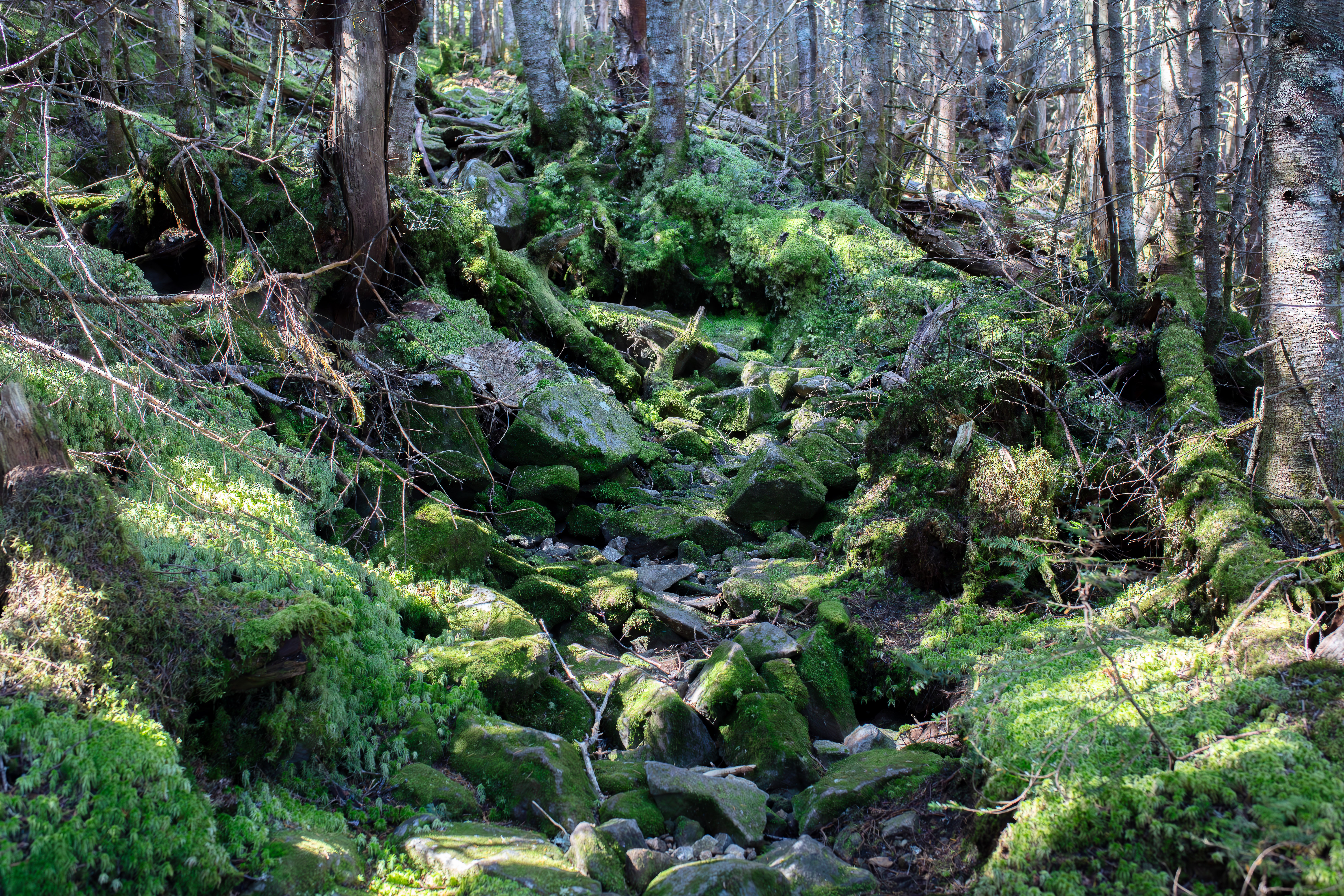
Sphagnum is the lush, sponge-like moss carpeting peat bogs and alpine wet areas. It forms thick, bouncy mats of bright green (sometimes red-tinged) foliage that squelch underfoot with water. Along Howker Ridge, you might spot sphagnum in seepy streamlets or soggy soil pockets near springs. This moss is a master of water: historically, dried sphagnum was used as a superior wound dressing and diaper material because it can absorb ~20 times its weight in liquid and is naturally antiseptic. Its presence signals very acidic, nutrient-poor conditions, yet it creates critical habitat – building deep peat that supports orchids, pitcher plants, and alpine bog communities. The vibrant emerald or chartreuse patches of sphagnum bring a bit of wetland oasis even to high mountain ridges, where it may lie in sheltered, late-melting snow hollows.

TYPE

Moss

ELEVATION

0–5,000+ ft

HABITAT

Acidic wetlands and alpine seepage areas; peat bogs, streamlets, and moist forest hollows

BLOOM / SEASON

Non-flowering (moss; spores released from capsule in summer)

LEAF & STEM

A primitive moss with no true roots, forming dense cushions or floating mats. Sphagnum plants are tiny (a few inches tall) but grow intertwined in masses. Each stem has whorls of threadlike branches with many overlapping tiny leaves that resemble tufts or pom-poms at the tip. These leaves have unique empty cells that hold water like a sponge. The moss is often soft and springy to the touch (like squeezing a damp sponge). Color ranges from vivid green to reddish brown depending on species and sun exposure. In the growing season, small brown spore capsules may be visible on slender stalks emerging from the mat – when dry and pressurized, they pop, shooting spores into the air. Because it lacks flowers or seeds, reproduction is via spores and fragmentation of the moss carpet.

SIMILAR SPECIES

When forming a carpet, sphagnum could be mistaken for other mossy groundcovers, but a close look and feel distinguishes it. Haircap Moss (Polytrichum) can form hummocks too, but has coarse, starry-tipped stems and is less spongy. Other bog mosses (e.g., Warnstorfia or Calliergon) may grow in wetlands, but Sphagnum’s extreme water-holding capacity, layer-cake peat deposits, and often reddish growing tips set it apart. Its texture – both squishy and velvety – is unique. There are many Sphagnum species; hikers may not tell them apart, but all perform similar ecological roles. If you encounter a floating quaking mat of moss that can even support your weight briefly, that’s likely Sphagnum at work.

ECOLOGY

Sphagnum moss is an ecosystem engineer of wetlands. By holding water like a sponge, it maintains the saturated, anoxic conditions of peat bogs. As it grows on top, older layers below die and accumulate as peat, sequestering huge amounts of carbon over millennia. Its tissues release acids that keep the environment inhospitably acidic for most plants and decay microbes – thus peat builds up rather than decomposes. This means sphagnum bogs preserve organic materials (even thousands-year-old plant remains or “bog bodies”). In alpine zones, patches of sphagnum create miniature wetlands that support specialized plants (dwarf willows, sedges, Labrador tea) beyond the treeline. These mossy areas also provide moisture to nearby plant communities during dry spells. Sphagnum has a symbiotic relationship with these bog plants: it acidifies and waterlogs the soil, which favors acid-loving species that in turn shelter the moss from sun. Because it’s so absorbent and antiseptic, it played an important historical role as field bandage material in World War I. Protecting sphagnum-rich habitats is key for water regulation and carbon storage in the White Mountains.

STATUS

Globally, Sphagnum moss is common and underpins entire wetland ecosystems. In the White Mountains, it’s present from lowland swamps to alpine fens and is not endangered – often it’s the habitat itself (peatlands) that is of conservation concern. Alpine bog communities with sphagnum are considered rare and sensitive natural communities due to limited area and vulnerability to climate change (drying) or trampling. Within WMNF, many sphagnum bogs are protected from development. Climatically, peat moss may face stress if temperatures warm significantly or precipitation patterns shift, but it has survived since the Ice Age. As long as cool, wet conditions persist, this resilient moss will continue to flourish and quietly perform its water-filtering, carbon-storing duties.

Field Notes

  • A primitive moss with no true roots, forming dense cushions or floating mats. Sphagnum plants are tiny (a few inches tall) but grow intertwined in masses. Each stem has whorls of threadlike branches with many overlapping tiny leaves that resemble tufts or pom-poms at the tip. These leaves have unique empty cells that hold water like a sponge. The moss is often soft and springy to the touch (like squeezing a damp sponge). Color ranges from vivid green to reddish brown depending on species and sun exposure. In the growing season, small brown spore capsules may be visible on slender stalks emerging from the mat – when dry and pressurized, they pop, shooting spores into the air. Because it lacks flowers or seeds, reproduction is via spores and fragmentation of the moss carpet.
  • Sphagnum moss is an ecosystem engineer of wetlands. By holding water like a sponge, it maintains the saturated, anoxic conditions of peat bogs. As it grows on top, older layers below die and accumulate as peat, sequestering huge amounts of carbon over millennia. Its tissues release acids that keep the environment inhospitably acidic for most plants and decay microbes – thus peat builds up rather than decomposes. This means sphagnum bogs preserve organic materials (even thousands-year-old plant remains or “bog bodies”). In alpine zones, patches of sphagnum create miniature wetlands that support specialized plants (dwarf willows, sedges, Labrador tea) beyond the treeline. These mossy areas also provide moisture to nearby plant communities during dry spells. Sphagnum has a symbiotic relationship with these bog plants: it acidifies and waterlogs the soil, which favors acid-loving species that in turn shelter the moss from sun. Because it’s so absorbent and antiseptic, it played an important historical role as field bandage material in World War I. Protecting sphagnum-rich habitats is key for water regulation and carbon storage in the White Mountains.
  • Globally, Sphagnum moss is common and underpins entire wetland ecosystems. In the White Mountains, it’s present from lowland swamps to alpine fens and is not endangered – often it’s the habitat itself (peatlands) that is of conservation concern. Alpine bog communities with sphagnum are considered rare and sensitive natural communities due to limited area and vulnerability to climate change (drying) or trampling. Within WMNF, many sphagnum bogs are protected from development. Climatically, peat moss may face stress if temperatures warm significantly or precipitation patterns shift, but it has survived since the Ice Age. As long as cool, wet conditions persist, this resilient moss will continue to flourish and quietly perform its water-filtering, carbon-storing duties.

Photo Credits

(c) Nathan Sobol / NH48pics.com