Overview
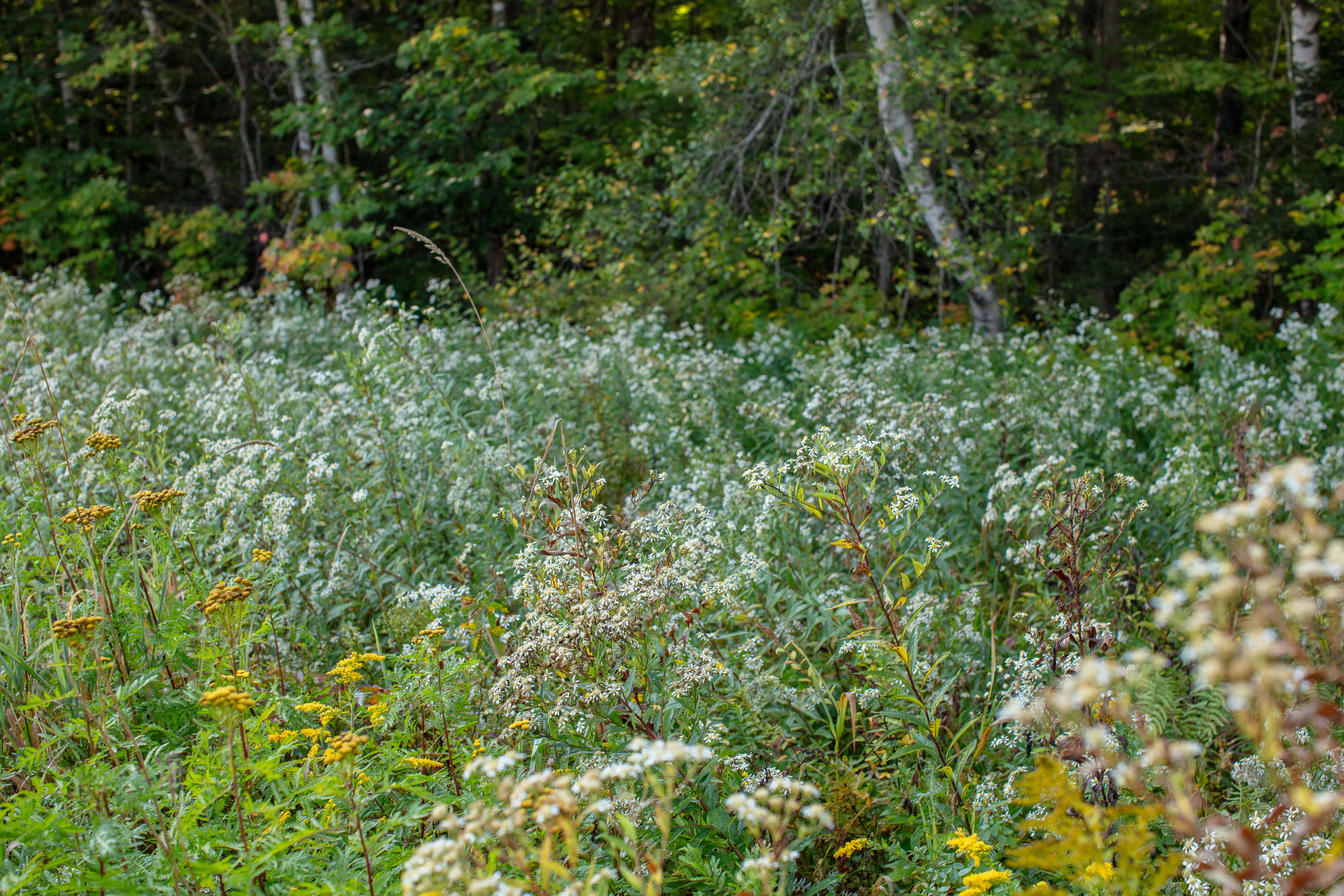
A tall meadow aster with umbrella-like clusters of white daisies, brightening late summer wetlands and field edges with a starry spray of blooms.
Ecology
This species thrives in mountain wetlands and provides valuable services there. It attracts a variety of pollinators: bees, wasps, small butterflies, skippers, and especially many types of flies frequent the nectar-rich flowers. Its bloom time (midsummer to early fall) overlaps with late-season pollinator activity, and it serves as a **larval host for the Harris' Checkerspot butterfly and Pearly Crescentspot**, which lay eggs on aster leaves. Insects feeding on its nectar become prey for spiders and birds, thus integrating the plant into the food web. The seeds (small achenes) have tufts that aid dispersal by wind and may also be eaten in small amounts by seed-eating birds or rodents. Because Flat-topped Aster often grows in colonies, its thick stands can help bind soil in wet meadows and stream margins, reducing erosion during floods. It also offers some cover to frogs, toads, and insects in marshy areas - standing tall above grasses and sedges. In winter, the dried seed heads persist and can catch drifting snow, contributing to a microhabitat that insulates overwintering insects at ground level. Ecologically, it is a resilient plant tolerant of both water-logged soils and periodic drying, helping it persist in the fluctuating water conditions of mountain wetlands.