Overview
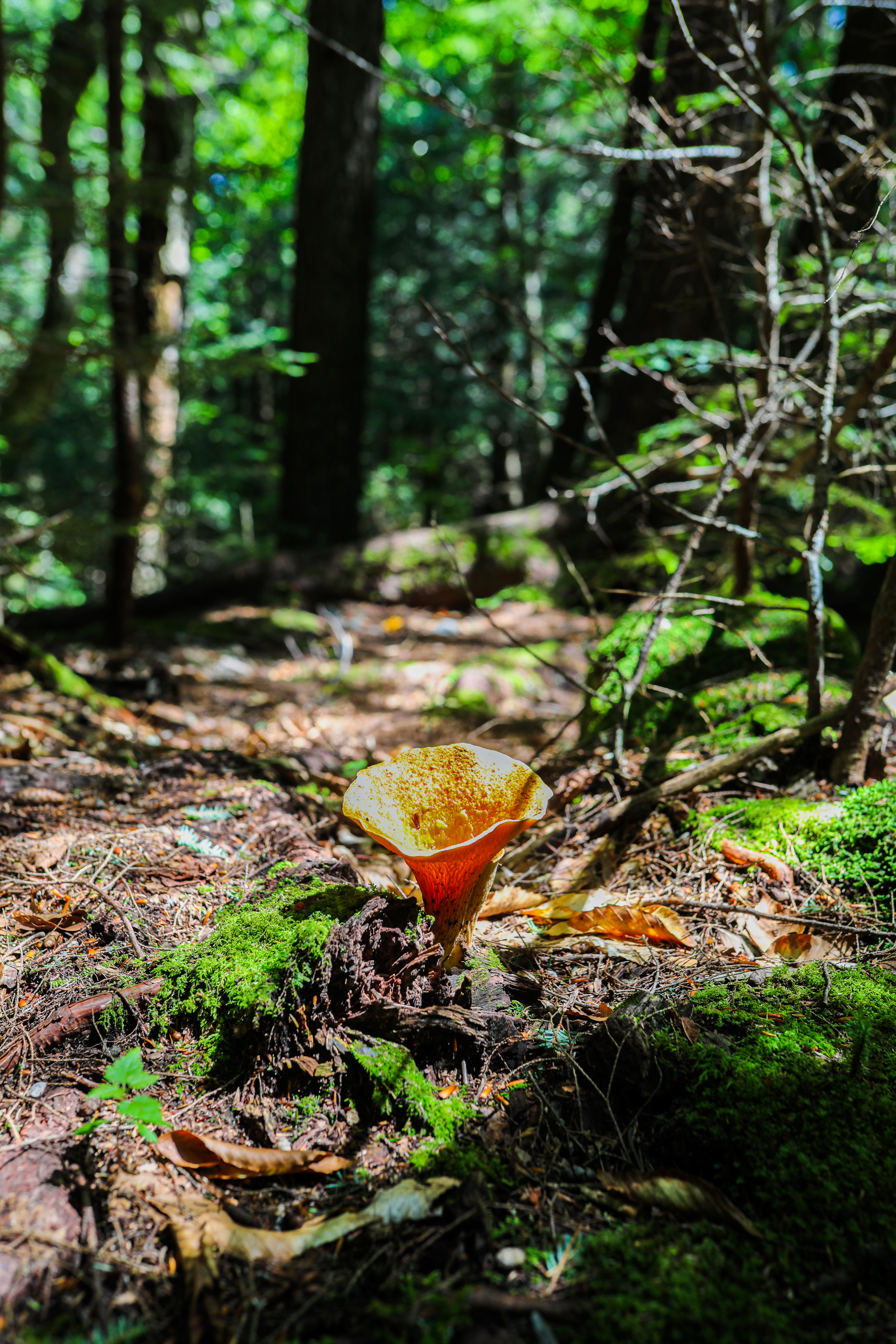
A small, brilliantly orange mushroom with a conical cap - a waxy-cap fungus popping up from mossy alpine soils after summer rains, adding a splash of color to the tundra.
Ecology
Waxcap mushrooms like this Hygrocybe are part of the alpine and forest decomposer community. Interestingly, unlike many fungi, waxcaps are not strongly associated with dead wood or specific host plants; instead, they often fruit in old, undisturbed soils with mosses or grasses (in Europe, "waxcap grasslands" are famous for their diversity of Hygrocybe). They likely live on decaying organic matter in the soil (leaf litter, dead roots) or possibly in loose association with mosses or soil microbes (scientists call them "biotrophs" since they may glean nutrients in a non-destructive way from the ecosystem). In the alpine zone, soil is thin and nutrient-poor, so waxcaps may take advantage of the slow decomposition environment to pop up during the brief wet periods. They do not appear every year in quantity - their fruiting is weather-dependent, often after good rains followed by warmth. When they do fruit, they release spores into the air to colonize other suitable mossy soils. Ecologically, their bright color might attract insects or invertebrates that help spore dispersal, though that's speculative. As part of the fungal community, they help break down organic residues, albeit likely slowly. They are sensitive to changes in soil chemistry - in Europe, some are declining due to fertilizer use; in the Whites, any significant disturbance to the alpine meadow (trampling, pollution) could reduce their occurrence. But in general, these waxcaps are harmless, ephemeral guests of the alpine-subalpine habitat, gone soon after they appear.