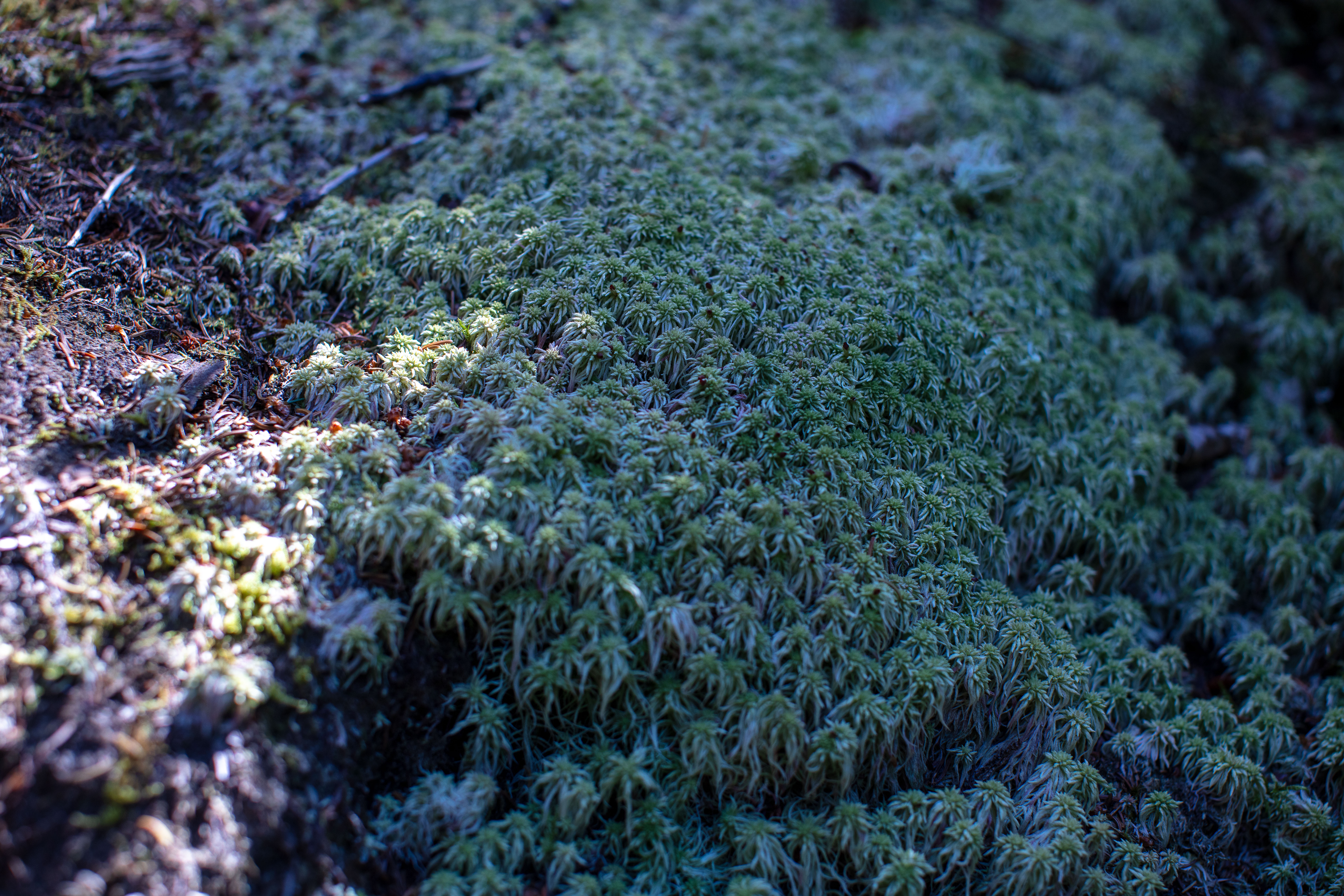
A cushiony, waterlogged carpet moss that forms peat - the spongy green mats in bogs and alpine seeps, famed for soaking up water and preserving ancient secrets.
A cushiony, waterlogged carpet moss that forms peat - the spongy green mats in bogs and alpine seeps, famed for soaking up water and preserving ancient secrets.
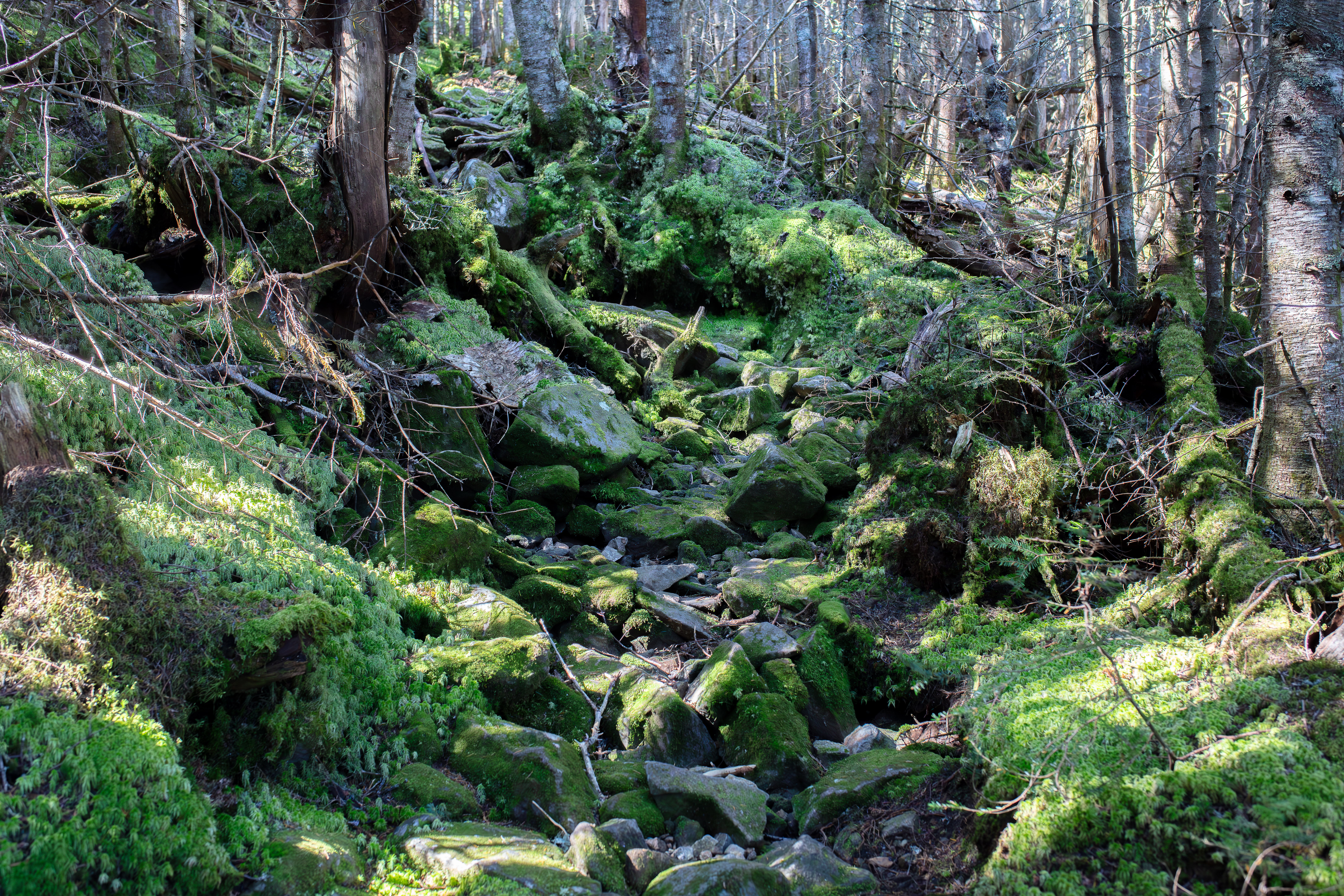
Sphagnum moss is an ecosystem engineer of wetlands. By holding water like a sponge, it maintains the saturated, anoxic conditions of peat bogs. As it grows on top, older layers below die and accumulate as peat, sequestering huge amounts of carbon over millennia. Its tissues release acids that keep the environment inhospitably acidic for most plants and decay microbes - thus peat builds up rather than decomposes. This means sphagnum bogs preserve organic materials (even thousands-year-old plant remains or "bog bodies"). In alpine zones, patches of sphagnum create miniature wetlands that support specialized plants (dwarf willows, sedges, Labrador tea) beyond the treeline. These mossy areas also provide moisture to nearby plant communities during dry spells. Sphagnum has a symbiotic relationship with these bog plants: it acidifies and waterlogs the soil, which favors acid-loving species that in turn shelter the moss from sun. Because it's so absorbent and antiseptic, it played an important historical role as field bandage material in World War I. Protecting sphagnum-rich habitats is key for water regulation and carbon storage in the White Mountains.