10 Essentials spoke

Navigation

Navigation is a layered system: carry a map and compass you can use without power, then add phone or GPS tracks as a convenience rather than the only plan.
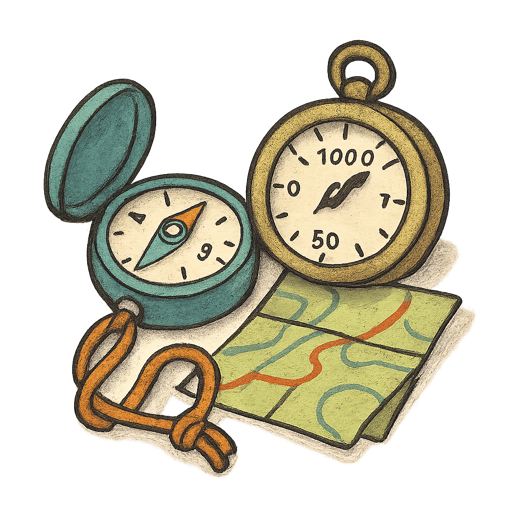
Navigation Instruments gear illustration
Topographic map, compass, and a downloaded GPS track with backup battery.
Catalog items13
Source families4
Typical range20-380 g

How to use it

Topographic map, compass, and a downloaded GPS track with backup battery.

  1. Download the route before leaving service and confirm it opens offline.
  2. Keep a paper map accessible enough that you can check it during breaks.
  3. Use the compass to orient the map and verify direction at trail junctions.
  4. Carry enough power to keep your electronic navigation alive after a delay.

Winter note

Cold drains batteries quickly, and snow can hide tread. Keep electronics warm and make the map-and-compass layer real.

Packing tip

Put the map in a waterproof sleeve and keep the compass on a lanyard or in a consistent pocket.

GearCatalog items

Structured item stats transferred from the PeakList GearCatalog source families.
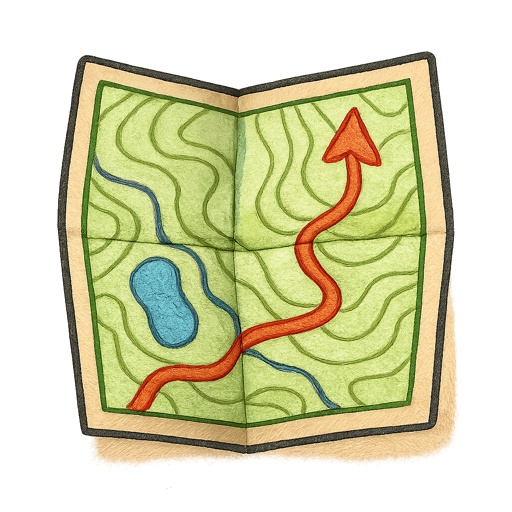
Topographic Map gear illustration

Topographic Map

Family
Navigation References
Weight
40 g
Best for
off trail, alpine, long route, backpacking
Suitability
excellent

Pros: Provides complete topography; durable; waterproof.

Cons: Requires skill to read; may not show new trails.
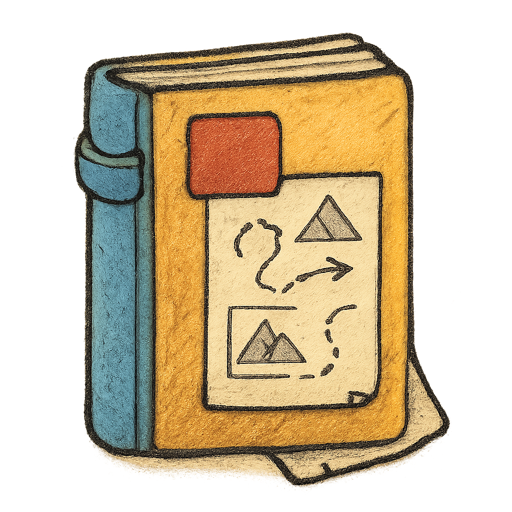
Route Cue Sheet / Guidebook gear illustration

Route Cue Sheet / Guidebook

Family
Navigation References
Weight
60 g
Best for
race, trail running, day hike route, stage hike
Suitability
good

Pros: Concise directions; easy to follow; quick reference.

Cons: Limited to planned route; not helpful if you deviate; paper may soak.
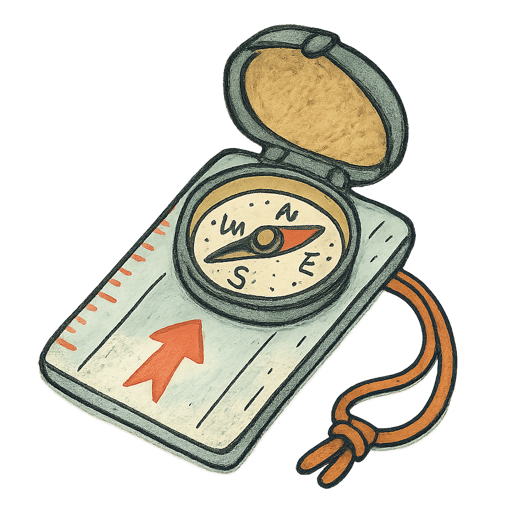
Baseplate Compass gear illustration

Baseplate Compass

Family
Navigation Instruments
Weight
35 g
Best for
three season day hike, off trail, beginner nav
Suitability
good

Pros: Lightweight; simple; durable.

Cons: No declination adjustment; no mirror for sighting; limited precision.
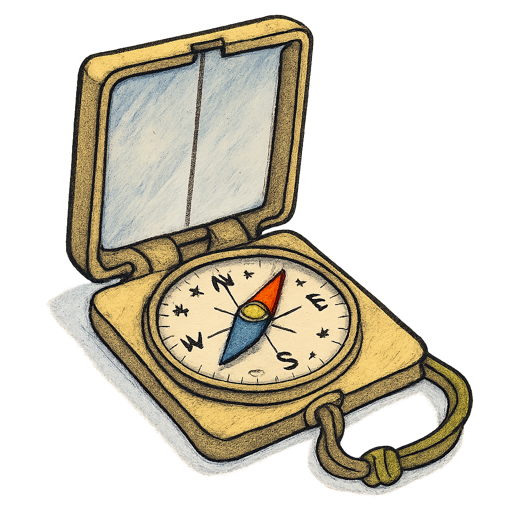
Mirror Compass gear illustration

Mirror Compass

Family
Navigation Instruments
Weight
65 g
Best for
technical navigation, alpine, off trail, wilderness search
Suitability
excellent

Pros: Accurate sighting; adjustable declination; built‑in mirror useful for self‑care/emergency.

Cons: Heavier; more expensive; some learning curve.
Analog Altimeter gear illustration

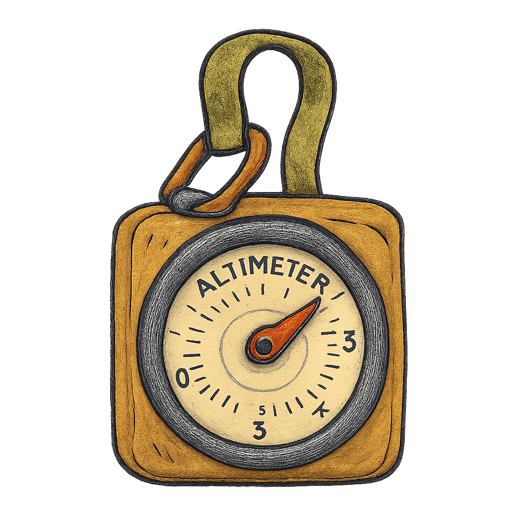
Analog Altimeter

Family
Navigation Instruments
Weight
80 g
Best for
alpine, above treeline, off trail, mountaineering
Suitability
limited

Pros: Provides elevation and weather trend; no batteries; complements map.

Cons: Needs calibration; susceptible to pressure changes; heavier than compass.
Smartphone with Offline Maps gear illustration

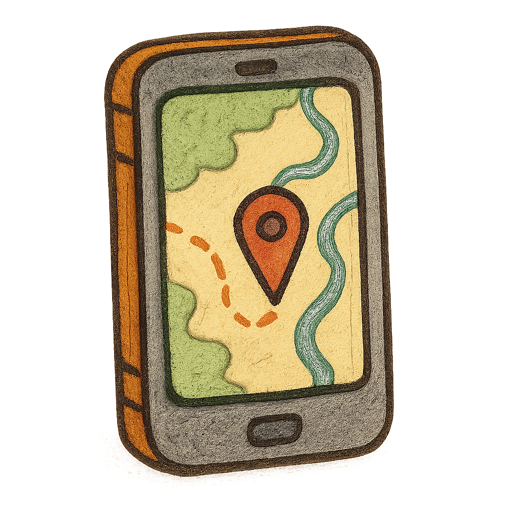
Smartphone with Offline Maps

Family
Electronic Navigation & Communication
Weight
200 g
Best for
day hike, trail running, urban trail, short backpacking
Suitability
good

Pros: Multi‑function; ubiquitous; easy to use; large screen.

Cons: Battery dependent; fragile; requires protective case.
GPS Unit gear illustration

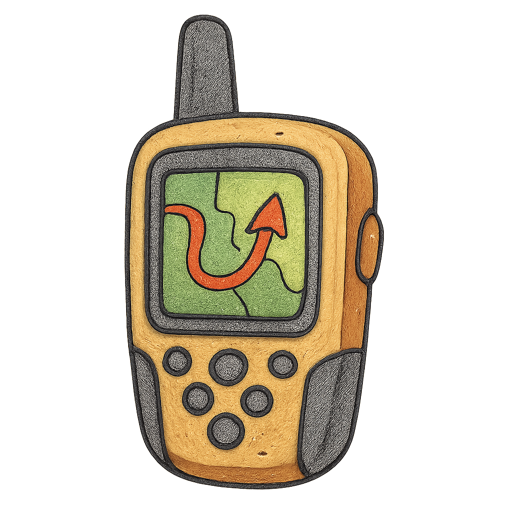
GPS Unit

Family
Electronic Navigation & Communication
Weight
150 g
Best for
remote backcountry, off trail, alpine, multi day
Suitability
excellent

Pros: Dedicated device; long battery life; robust; accurate GPS.

Cons: Small screen; separate cost; requires map downloads.
Satellite Messenger gear illustration

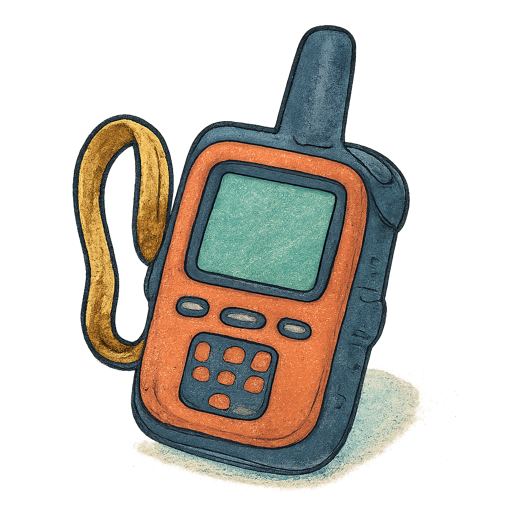
Satellite Messenger

Family
Electronic Navigation & Communication
Weight
115 g
Best for
remote backcountry, alpine, winter, solo, high remoteness, off trail
Suitability
good

Pros: SOS and two‑way messaging; independent of cell coverage; long standby life.

Cons: Subscription cost; minimal navigation; small screen; weight adds up.
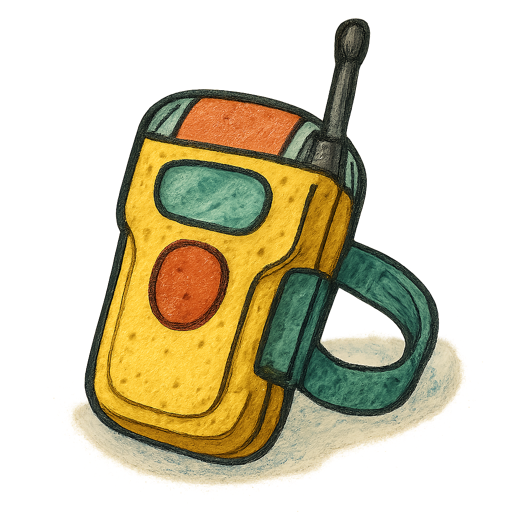
Personal Locator Beacon (PLB) gear illustration

Personal Locator Beacon (PLB)

Family
Electronic Navigation & Communication
Weight
125 g
Best for
remote backcountry, solo, high consequence, off trail, winter
Suitability
emergency_only

Pros: Reliable SOS; no subscription; long battery life.

Cons: One‑way distress only; no messaging or navigation; cannot test easily.
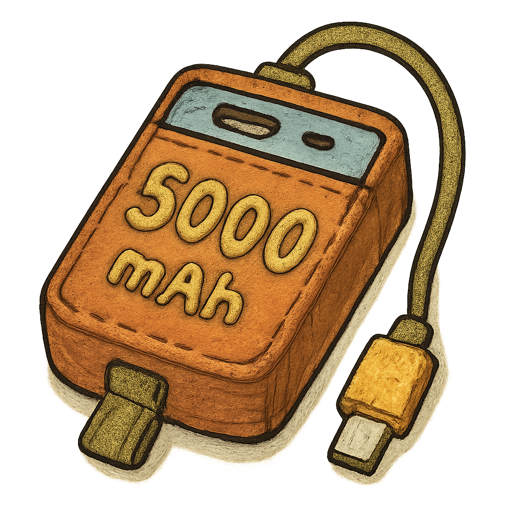
Small Power Bank (5 000 mAh) gear illustration

Small Power Bank (5 000 mAh)

Family
Power & Charging
Weight
100 g
Best for
day hike, overnight, ultralight, smartphone nav, headlamp recharge
Suitability
good

Pros: Light; enough capacity to recharge smartphone once; inexpensive.

Cons: Limited capacity; not enough for multi‑day or multiple devices.
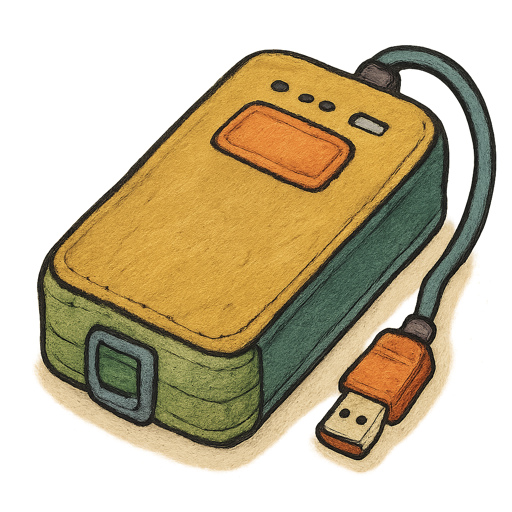
Large Power Bank (20 000 mAh) gear illustration

Large Power Bank (20 000 mAh)

Family
Power & Charging
Weight
380 g
Best for
multi day, remote backcountry, group, multiple devices, winter
Suitability
excellent

Pros: High capacity; can recharge multiple devices; robust.

Cons: Heavy; expensive; slower to recharge.
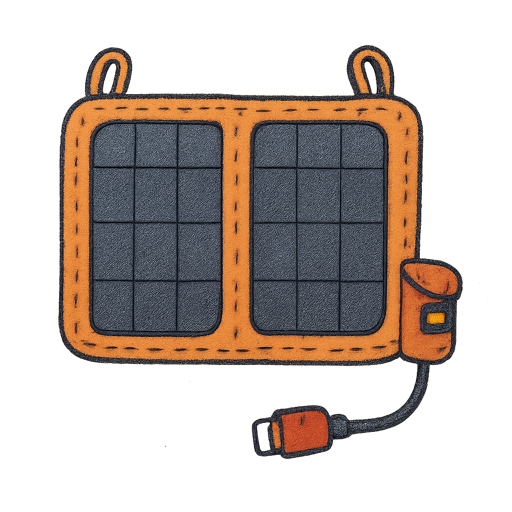
Solar Panel gear illustration

Solar Panel

Family
Power & Charging
Weight
250 g
Best for
multi day desert, remote backcountry, power redundancy
Suitability
limited

Pros: Renewable power; reduces reliance on pre‑charged banks.

Cons: Requires sun; heavy; delicate; slower charging.
Charging Cable & Adapter gear illustration

Charging Cable & Adapter

Family
Power & Charging
Weight
20 g
Best for
all trips, smartphone nav, gps unit
Suitability
good

Pros: Minimal weight; essential for charging; low cost.

Cons: None; small parts may be lost; ensure correct connectors for devices.

Most safety margins come from systems working together.