10 Essentials spoke

Insulation

Insulation protects your heat margin when wind, injury, slow travel, or an unplanned stop changes the day.
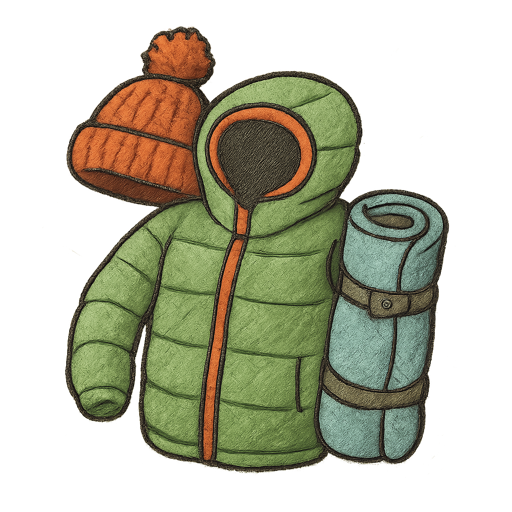
Insulation Upper Layers gear illustration
Extra clothing layers for the coldest possible weather, not just the forecast.
Catalog items3
Source families1
Typical range300-450 g

How to use it

Extra clothing layers for the coldest possible weather, not just the forecast.

  1. Pack a warm layer that stays dry until you need it.
  2. Add it before you get chilled at exposed rests or summits.
  3. Match insulation to the worst credible conditions, not the valley temperature.
  4. Protect down or synthetic fill in a dry bag or pack liner.

Winter note

In winter, pack enough stopped-time warmth for route finding, first aid, and slow group movement.

Packing tip

Keep the puffy layer near the top of the pack so it comes out before sweat turns into cold.

GearCatalog items

Structured item stats transferred from the PeakList GearCatalog source families.
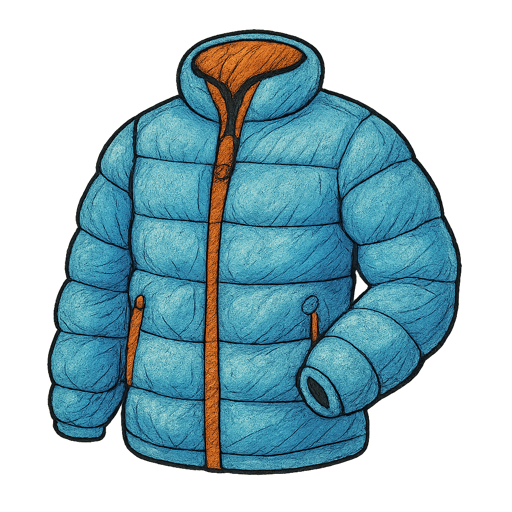
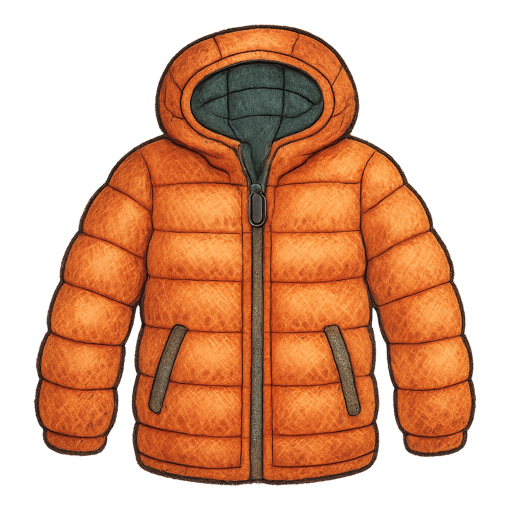
Synthetic Puffy gear illustration

Synthetic Puffy

Family
Insulation Upper Layers
Weight
450 g
Best for
General hiking
Suitability
good
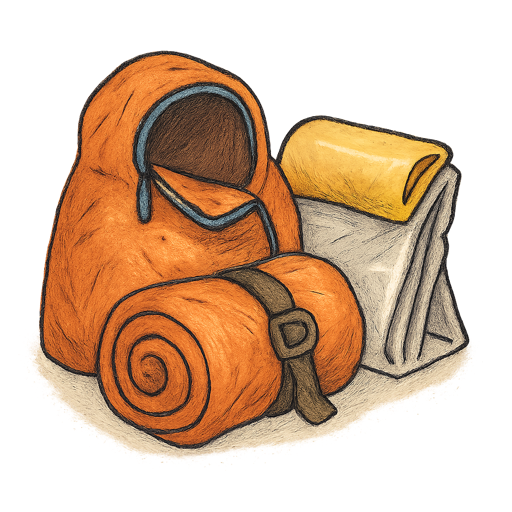
Down Jacket gear illustration

Down Jacket

Family
Insulation Upper Layers
Weight
400 g
Best for
General hiking
Suitability
excellent
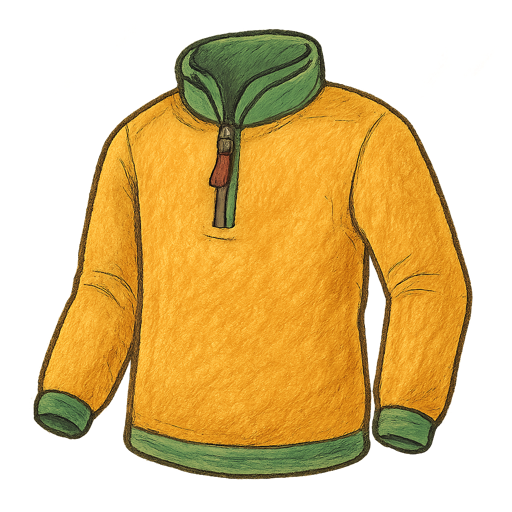
Fleece Pullover gear illustration

Fleece Pullover

Family
Insulation Upper Layers
Weight
300 g
Best for
General hiking
Suitability
limited

Most safety margins come from systems working together.