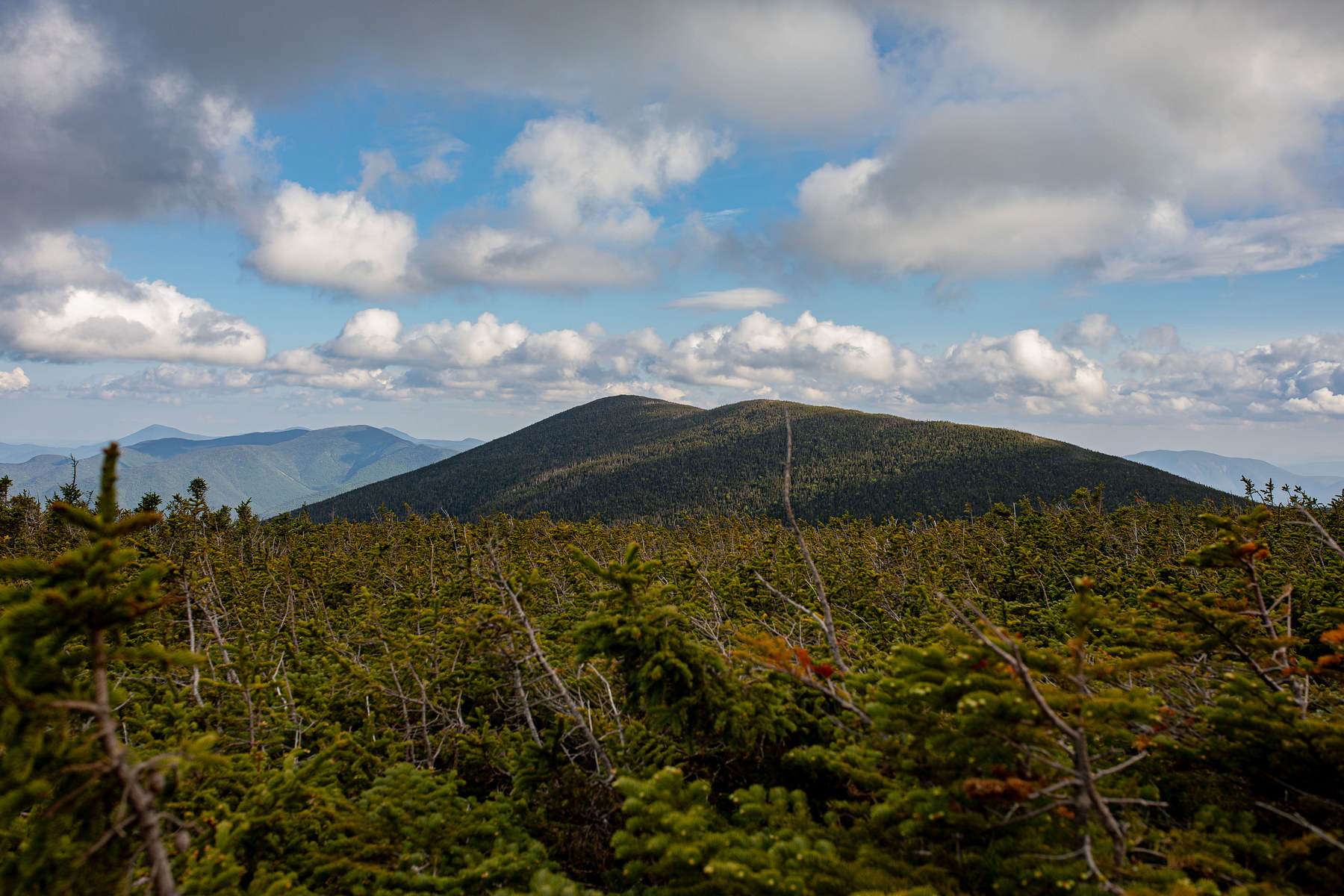
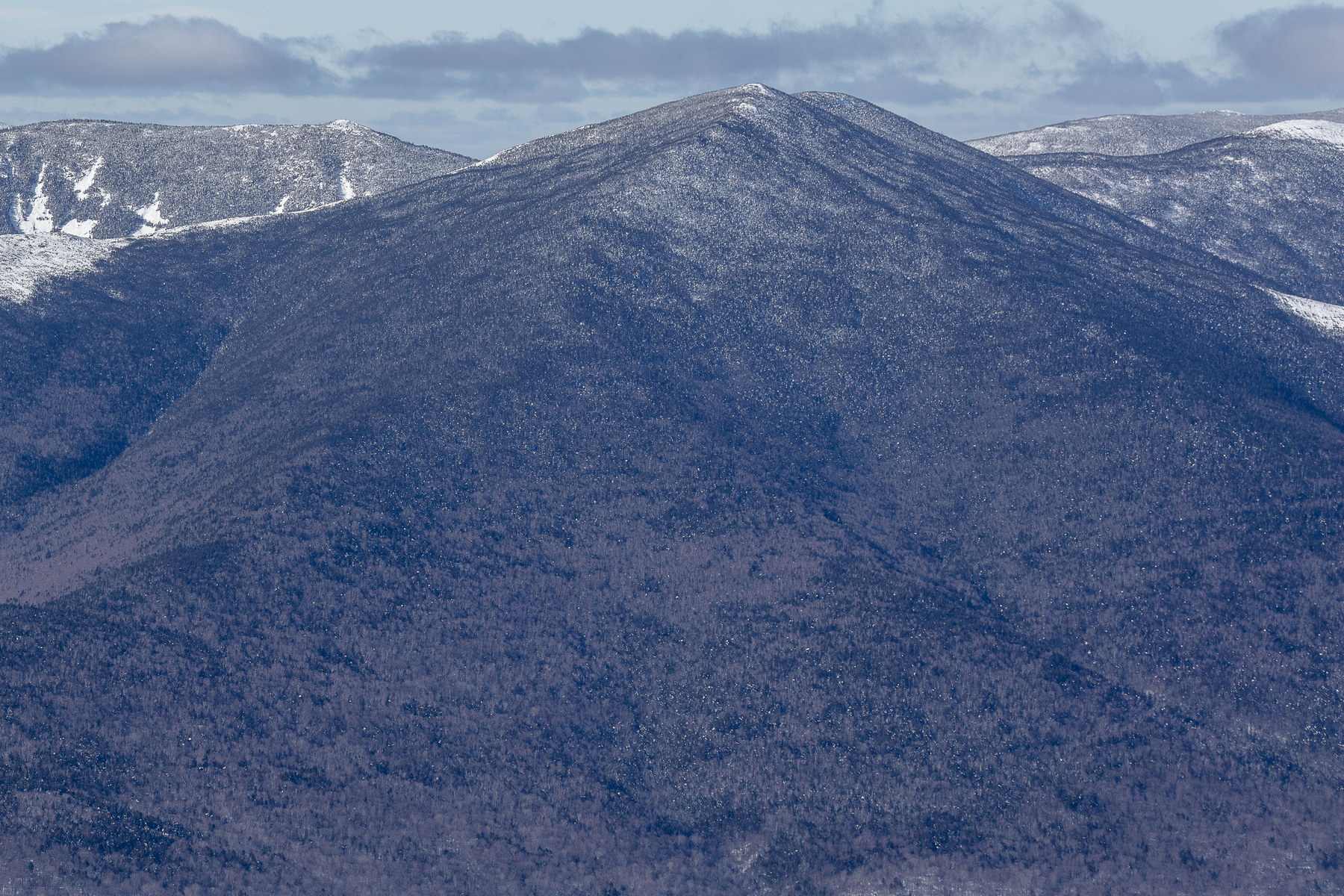
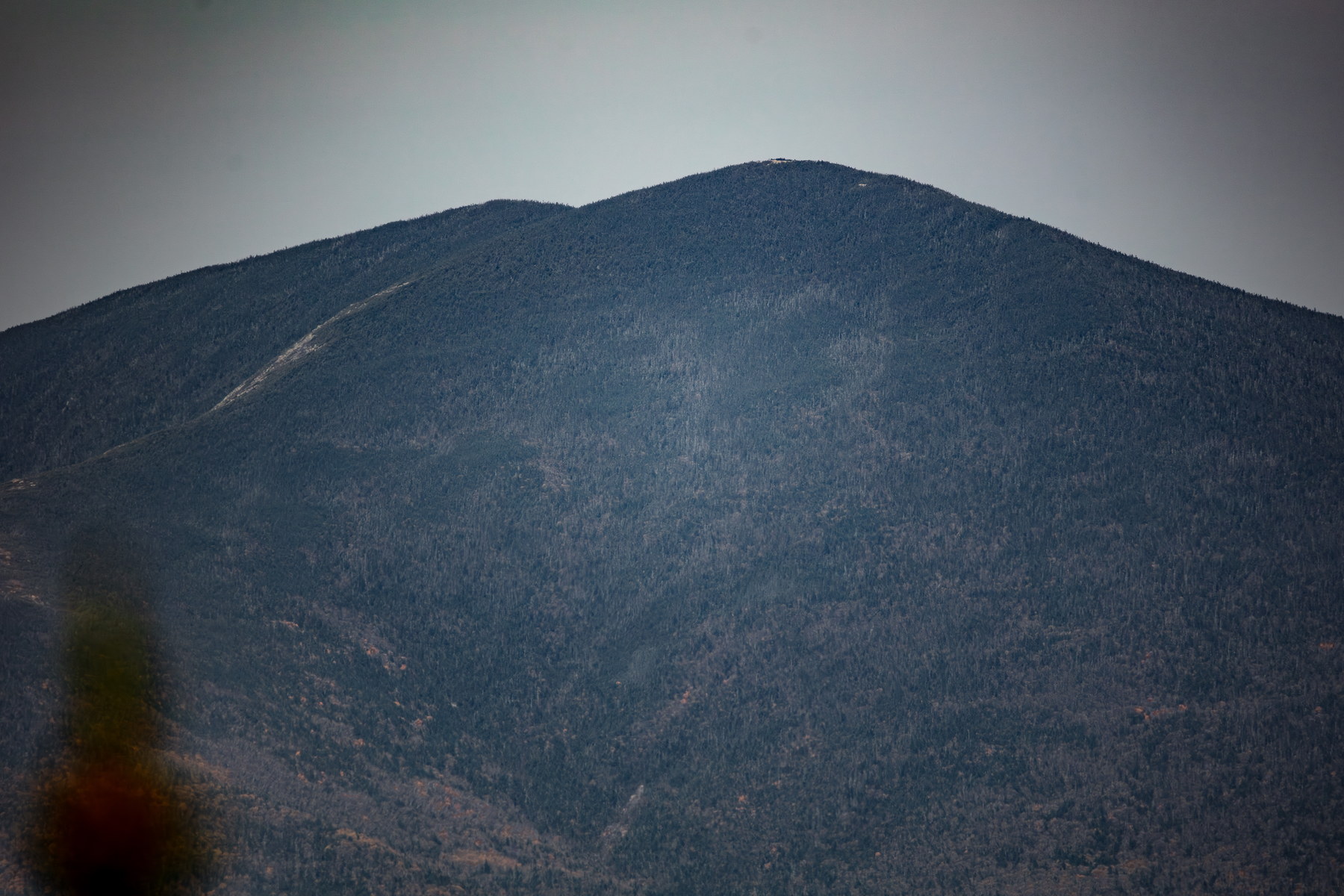
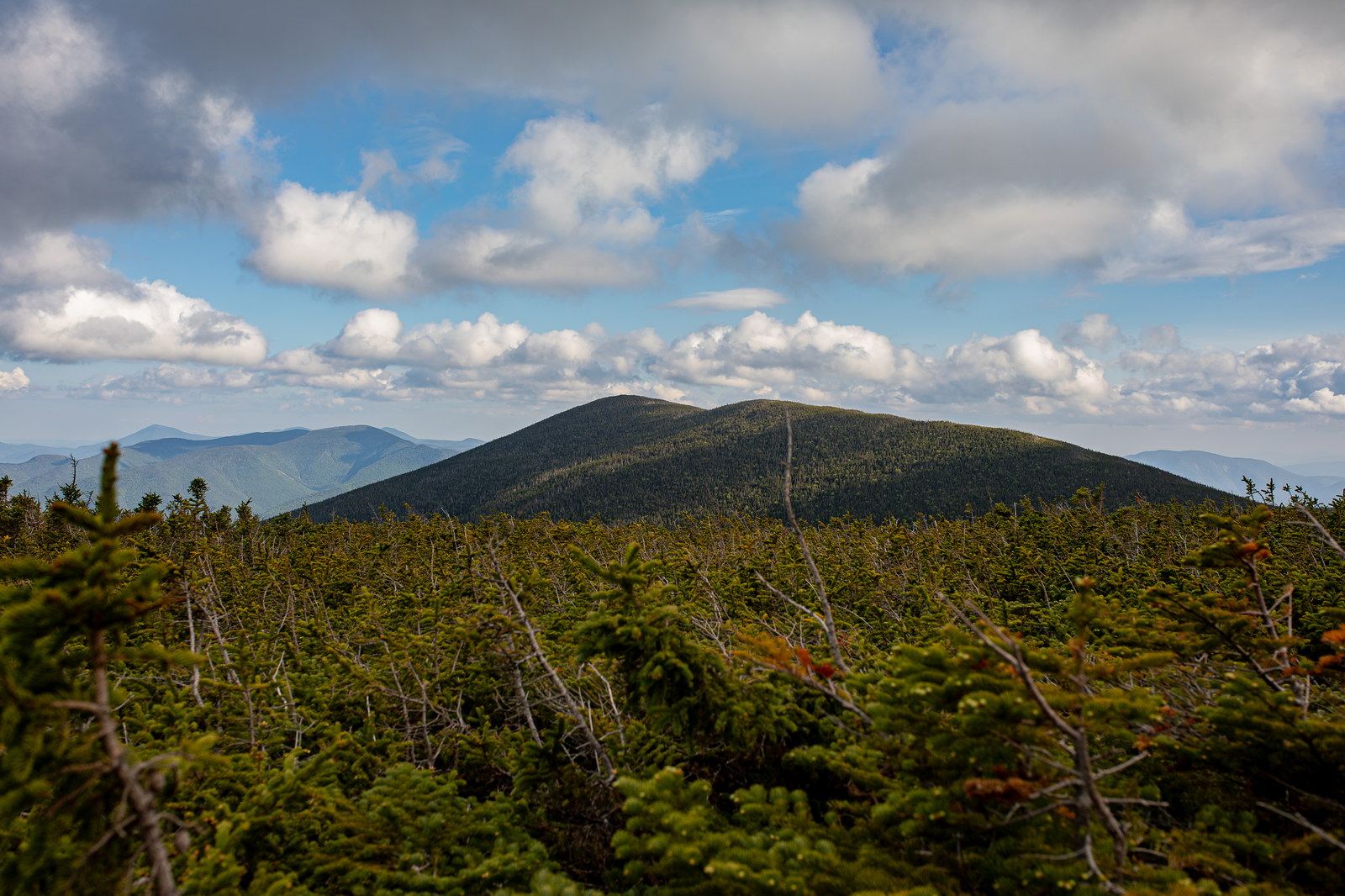
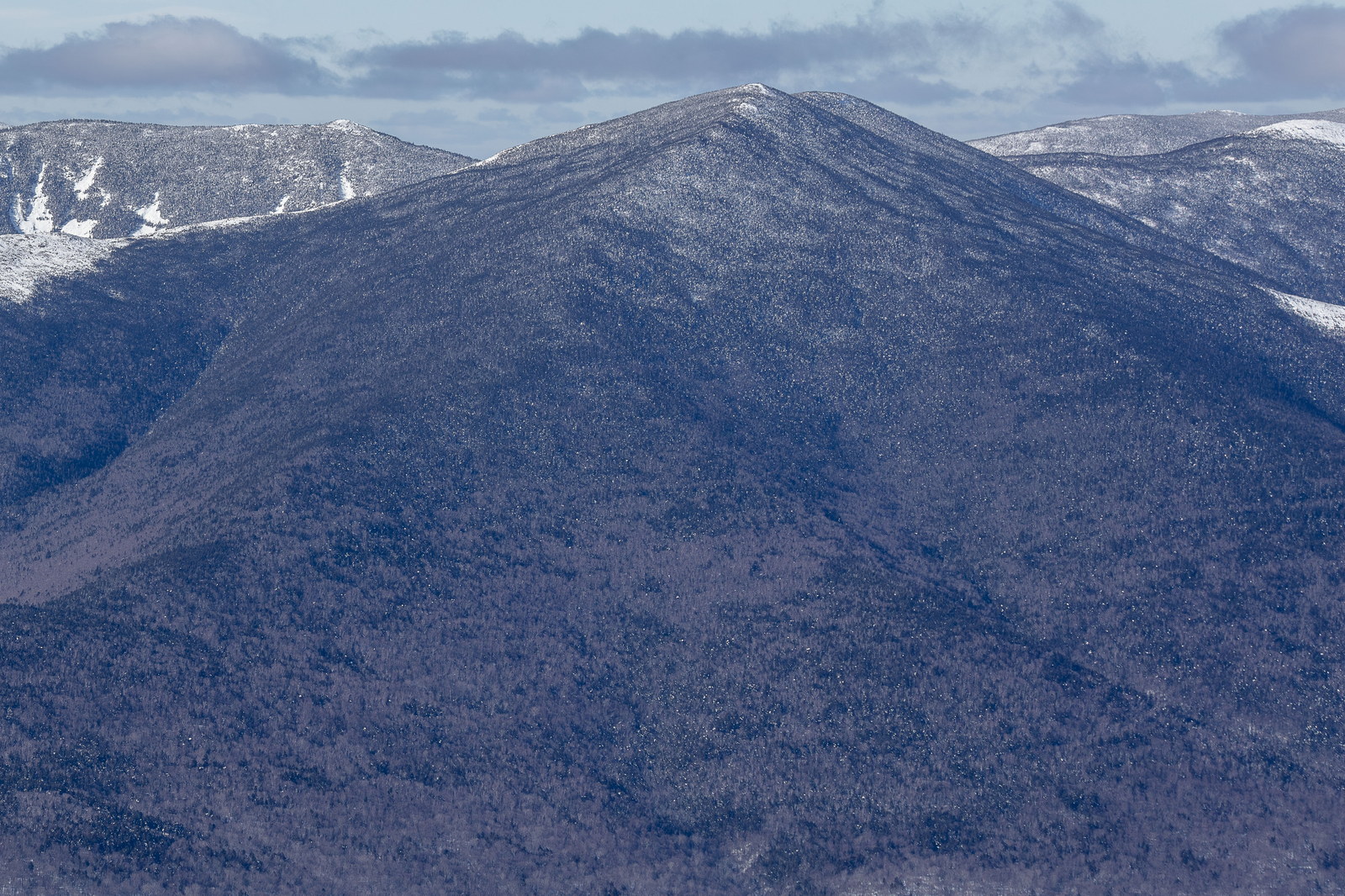
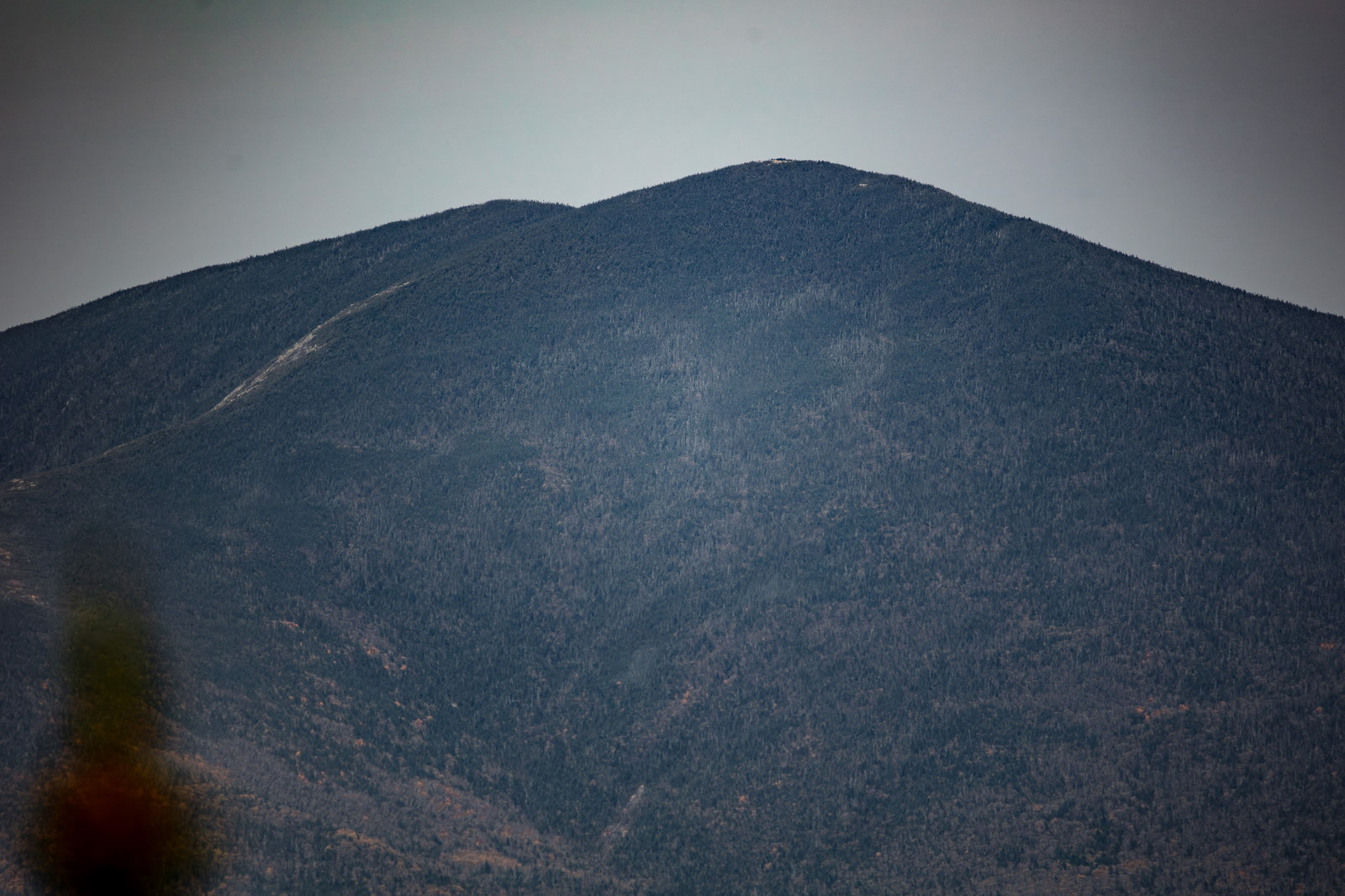
Mount Bond is a 4,698-foot mountain in Grafton County, New Hampshire. The mountain was named after Professor George P. Bond (1825–1865) of Harvard University. It is the southernmost peak of the Twin Range in the White Mountains and is situated deep within the Pemigewasset Wilderness. Mount Bond has a bare summit that offers panoramic views, and it is flanked to the north by Mount Guyot. Together with its subsidiary peaks West Bond and Bondcliff, it forms a trio commonly known as “The Bonds,” all of which are included in the list of 4,000-footers. Mount Bond is the central and highest peak of a trio of remote summits known as “The Bonds”, deep in the Pemigewasset Wilderness. It was named for Professor George P. Bond (1825–1865) of Harvard College Observatory – a pioneer in astrophotography and son of the first director of the Observatory. This naming was done by 19th-century AMC explorers who honored prominent scientists (Mount Bond’s neighbor, Mount Guyot, was similarly named for geographer Arnold Guyot). Mount Bond’s summit is above treeline and rocky, yielding panoramic views. Historically, the region around Mount Bond was one of the last areas of the Whites to be penetrated by loggers – J.E. Henry’s East Branch & Lincoln Railroad reached near these slopes in the late 1890s, and vast clear-cutting ensued in the neighboring valleys. By the 1920s, the entire Pemigewasset was a wasteland of stumps. Today, however, the wilderness has regenerated. Congress designated the Pemigewasset Wilderness in 1984, ensuring the forests around Mount Bond remain protected. Hikers who trek the long miles to Mount Bond and its subpeaks (West Bond and Bondcliff) often remark on the sense of history and renewal – walking on old railroad grades, seeing remnants of logging camps, and then standing on the wild, windswept summit that feels a world apart from civilization.