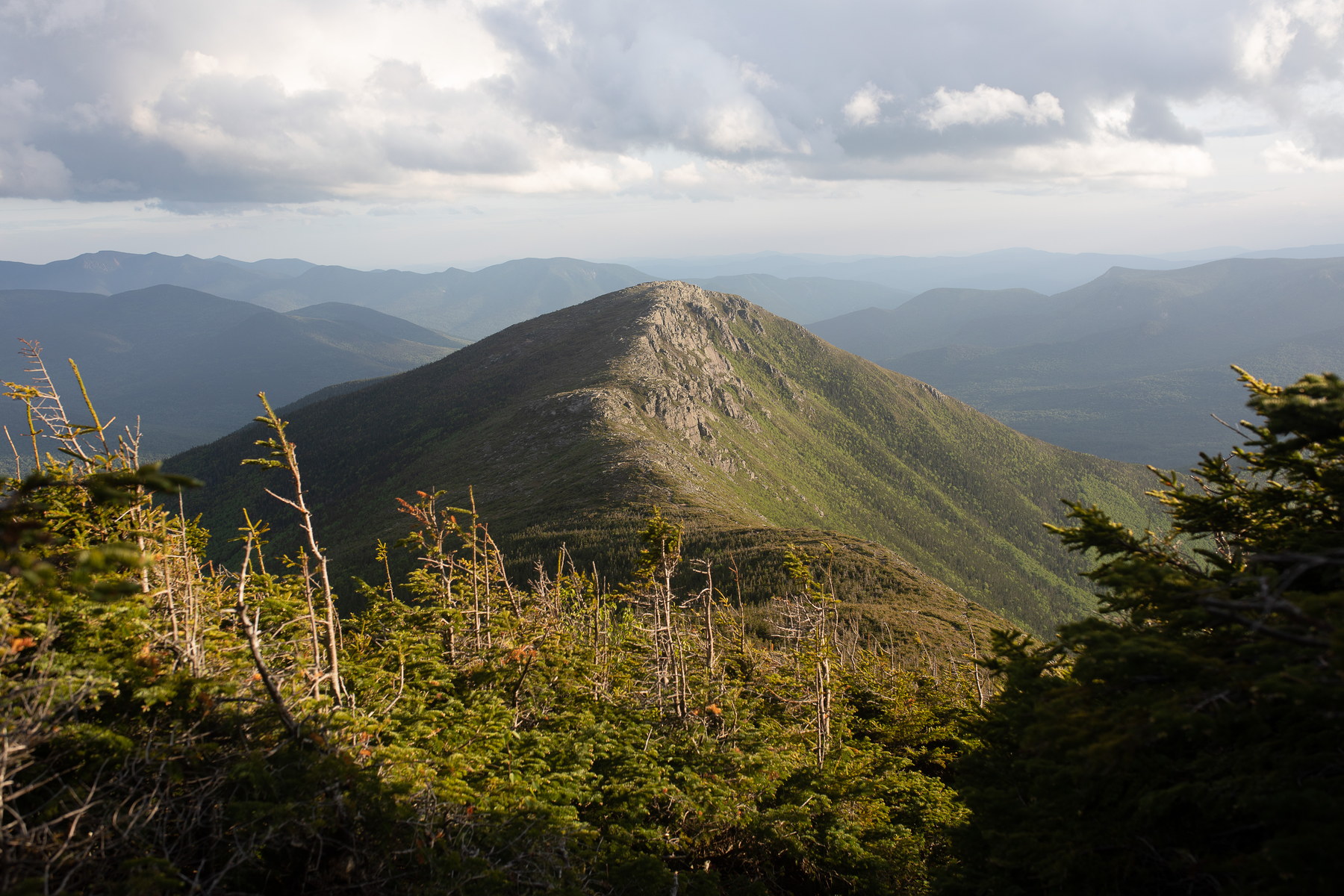
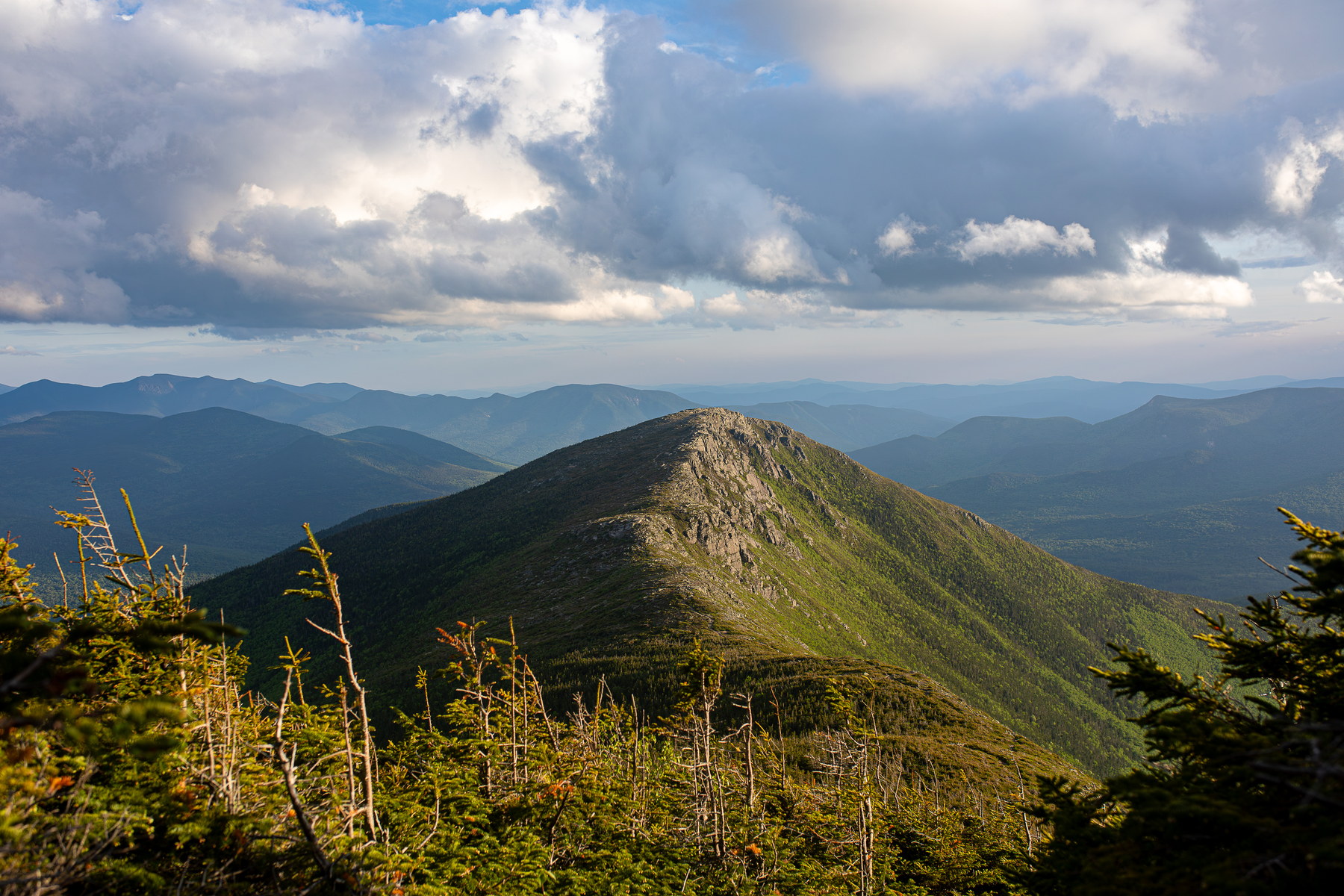
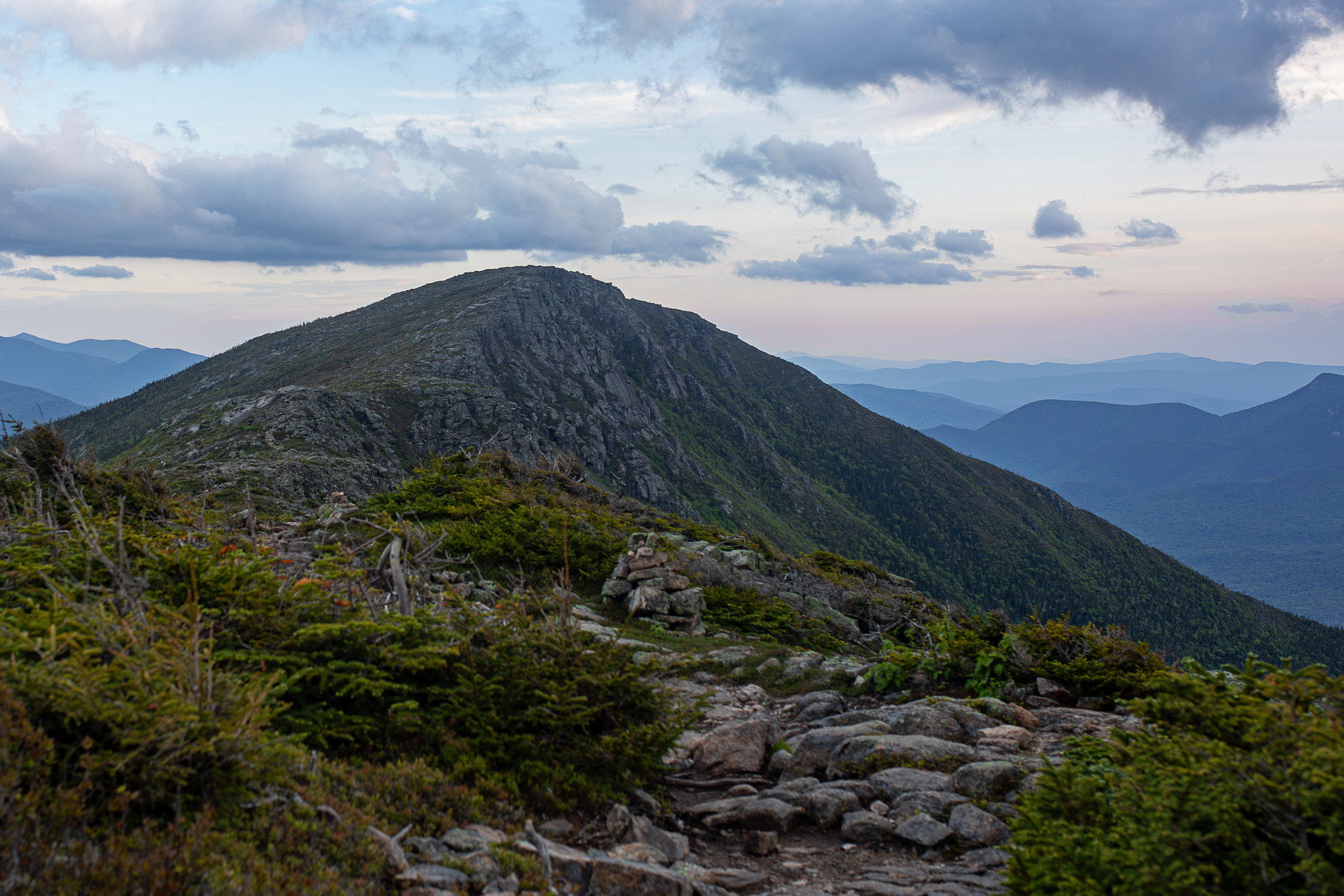
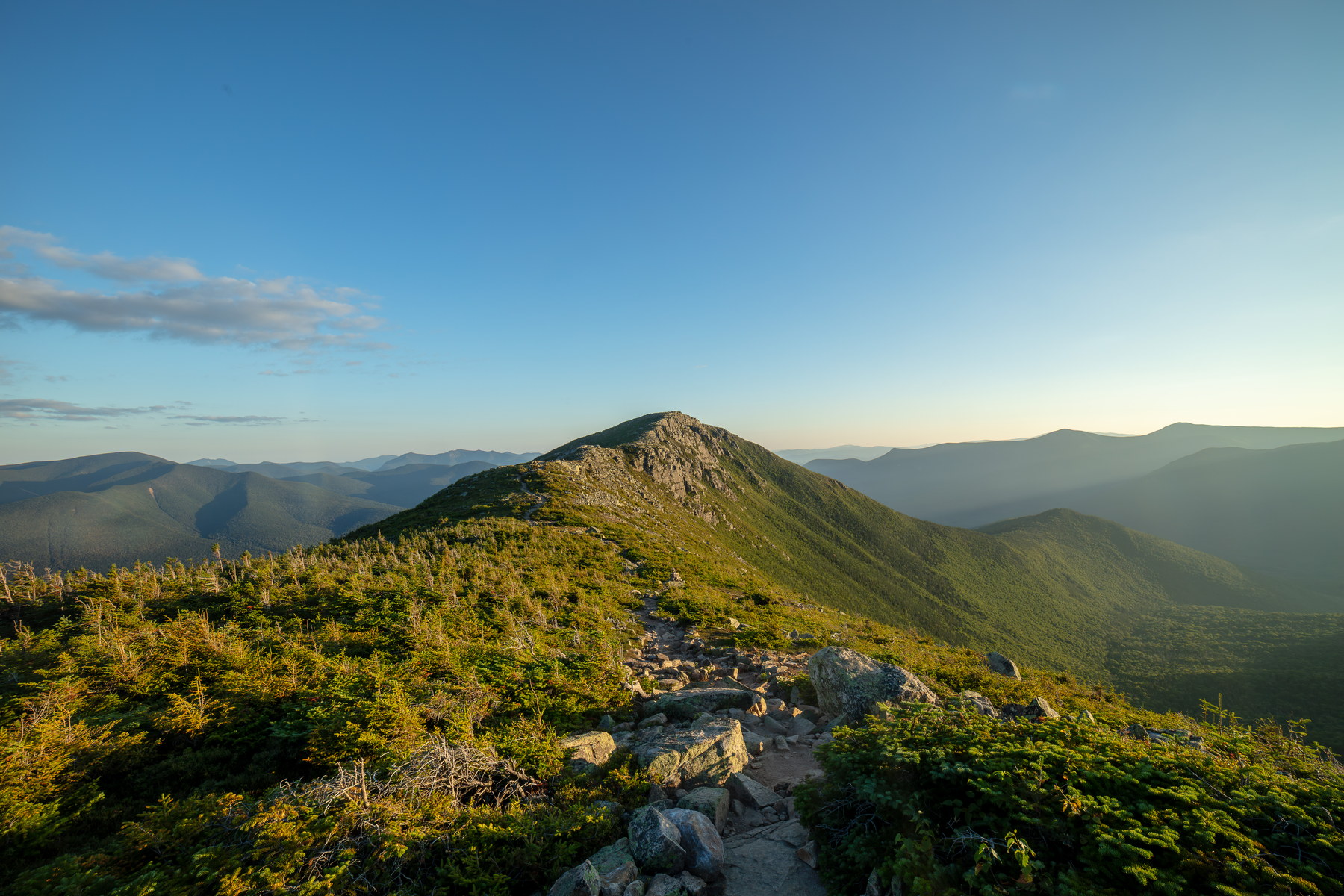
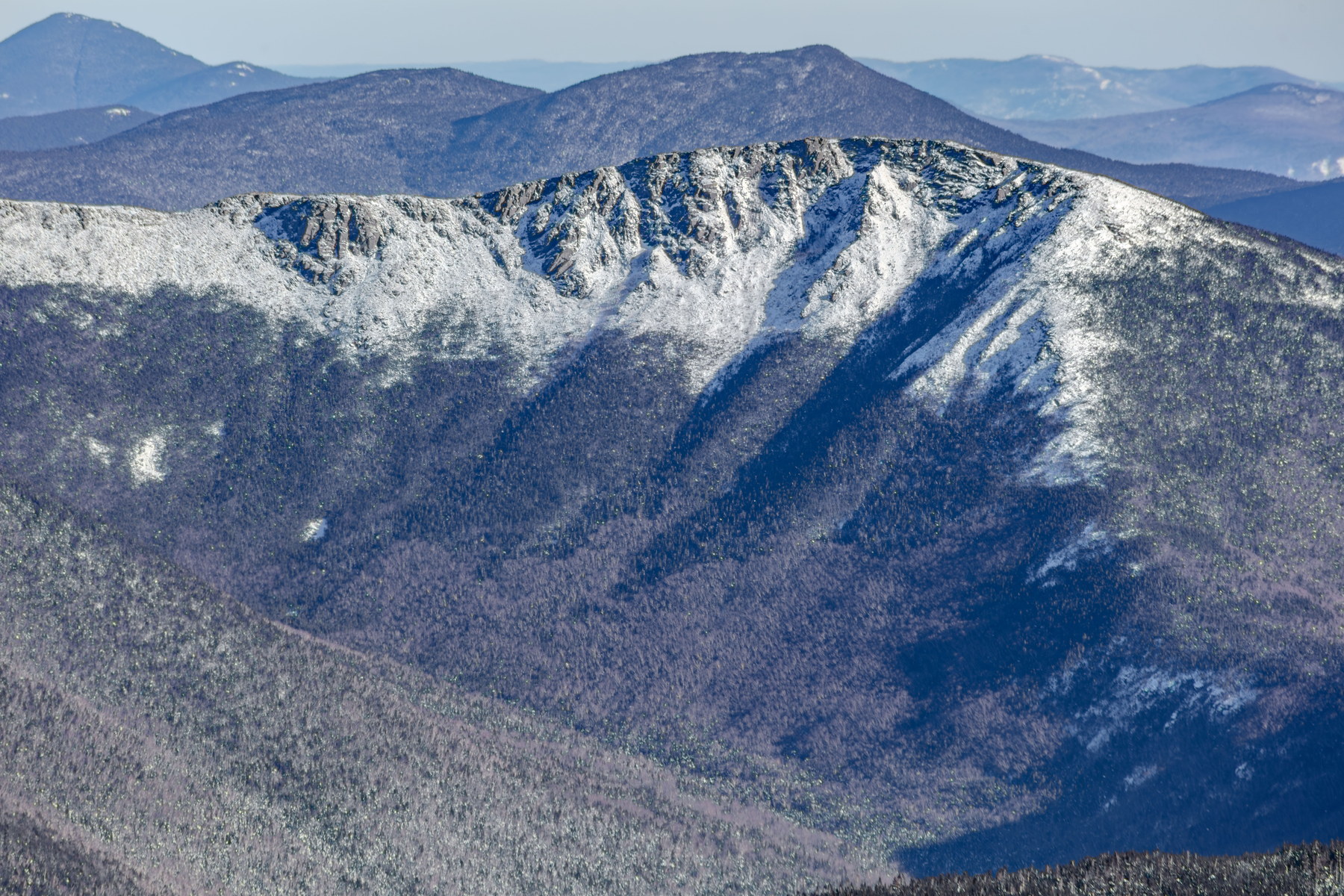
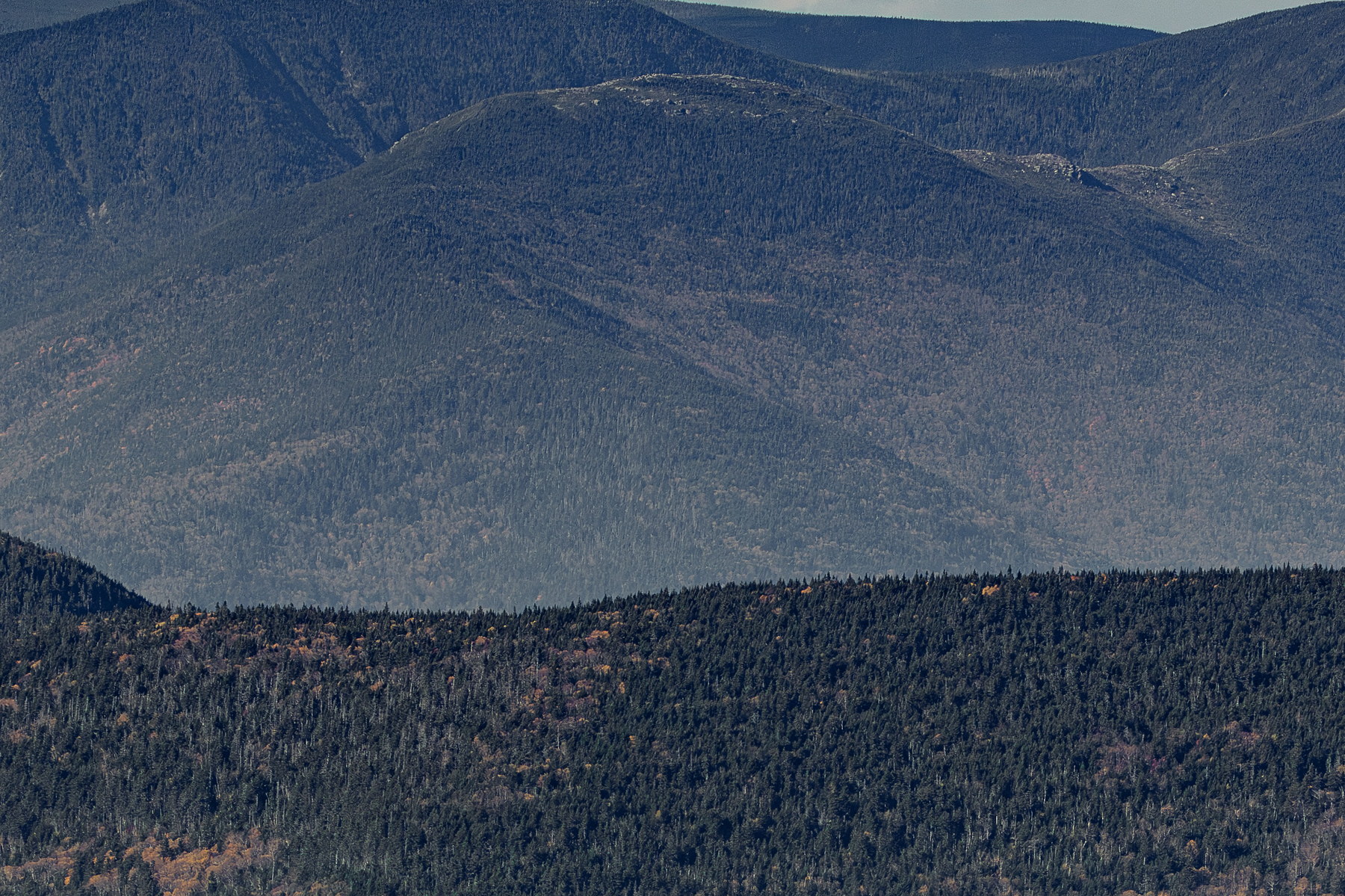
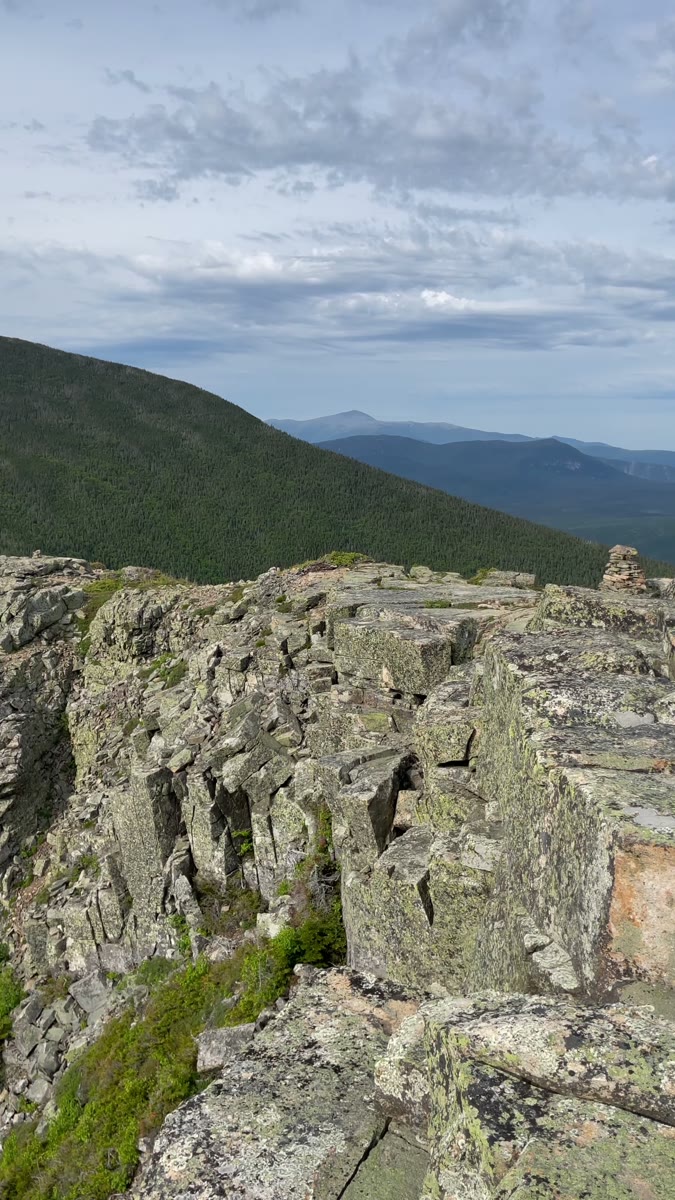
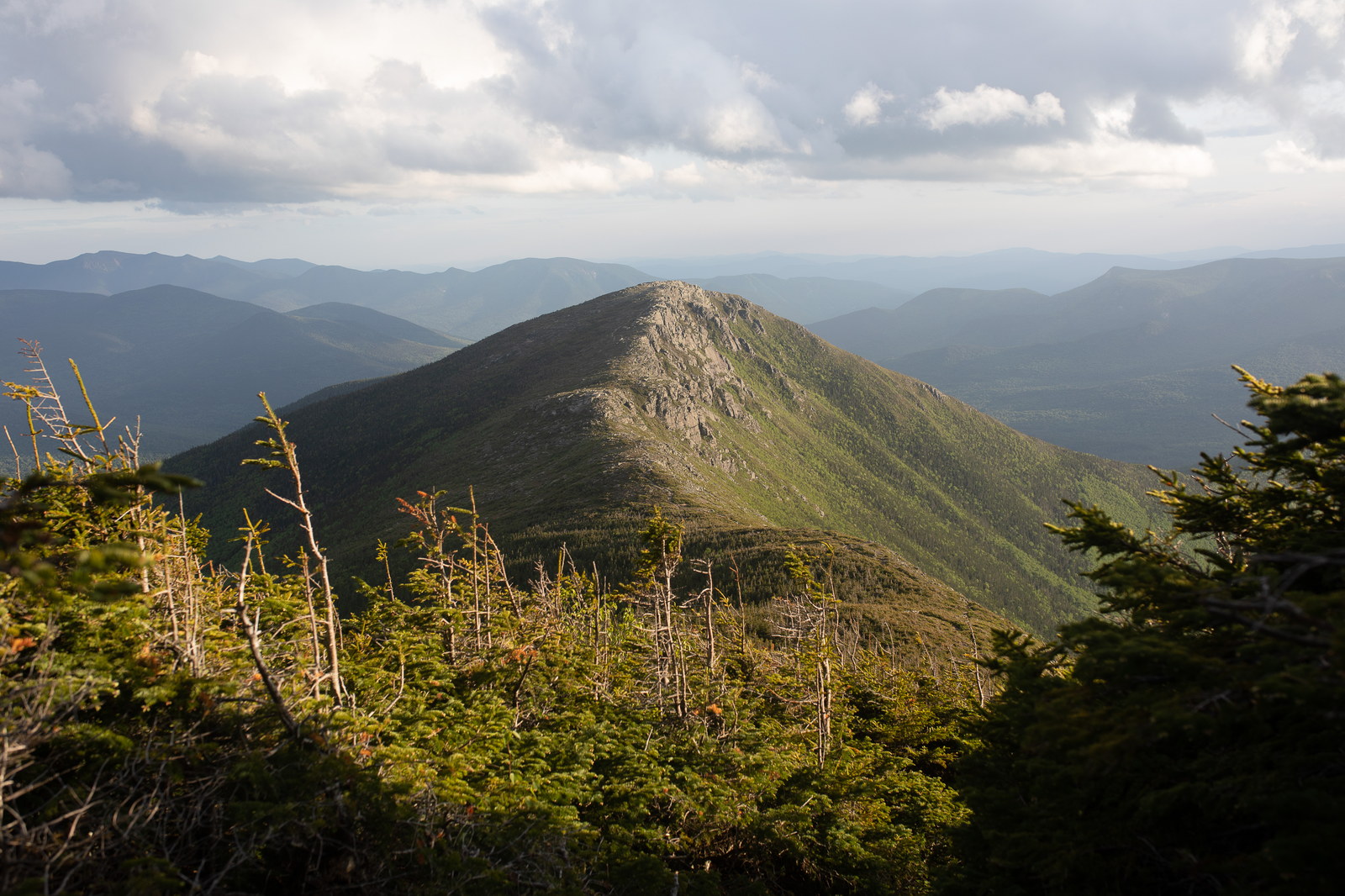
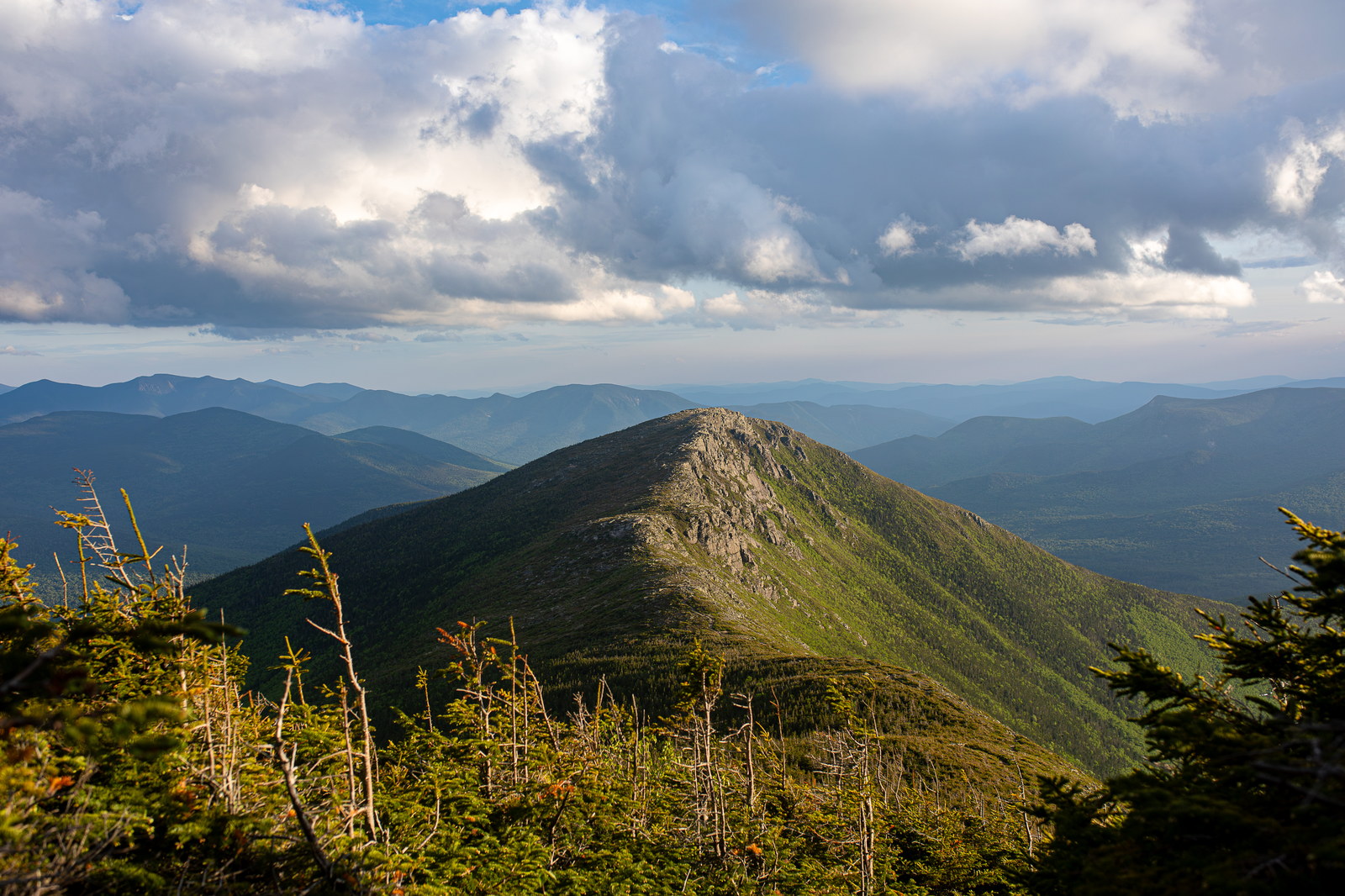
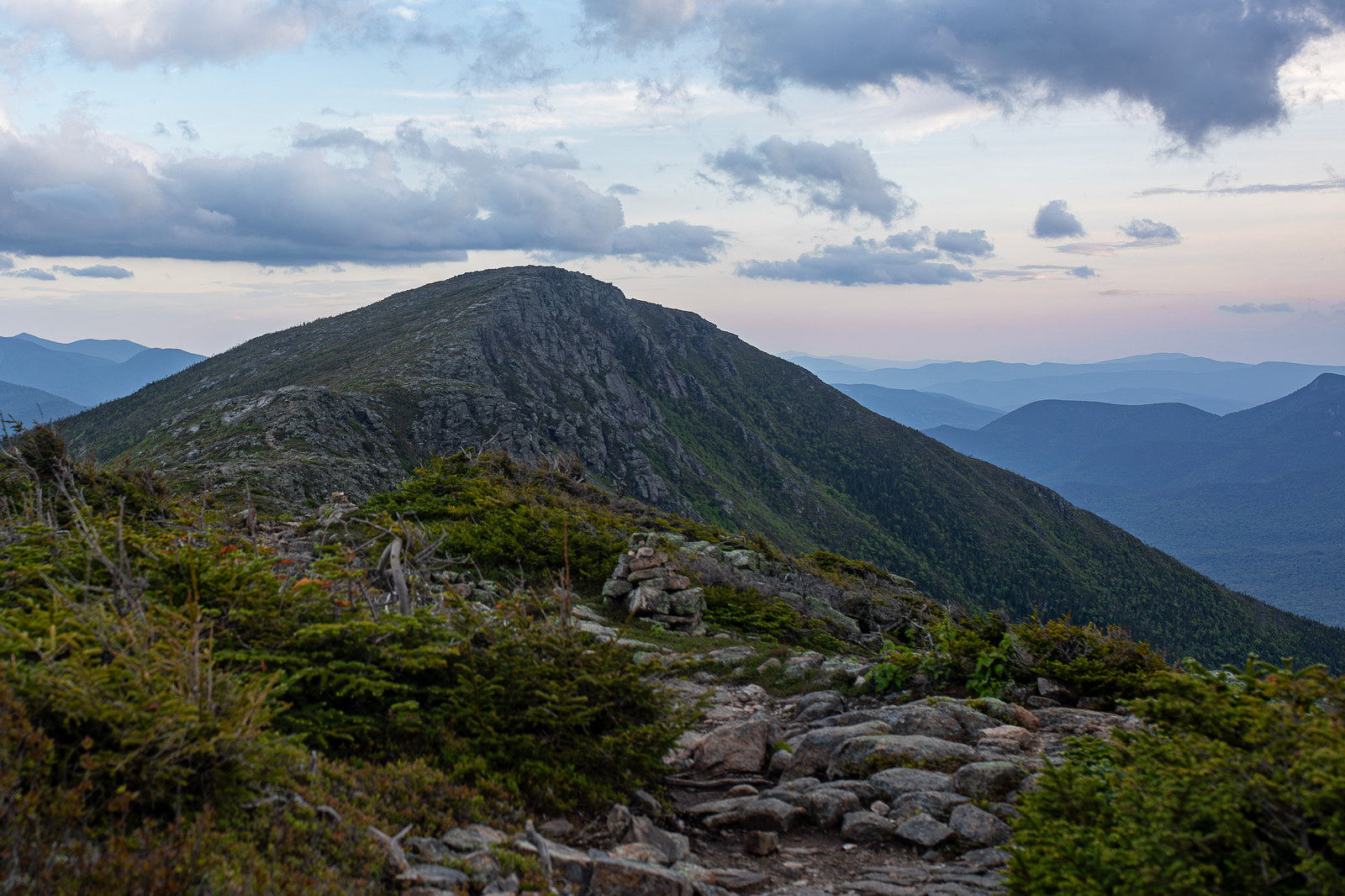
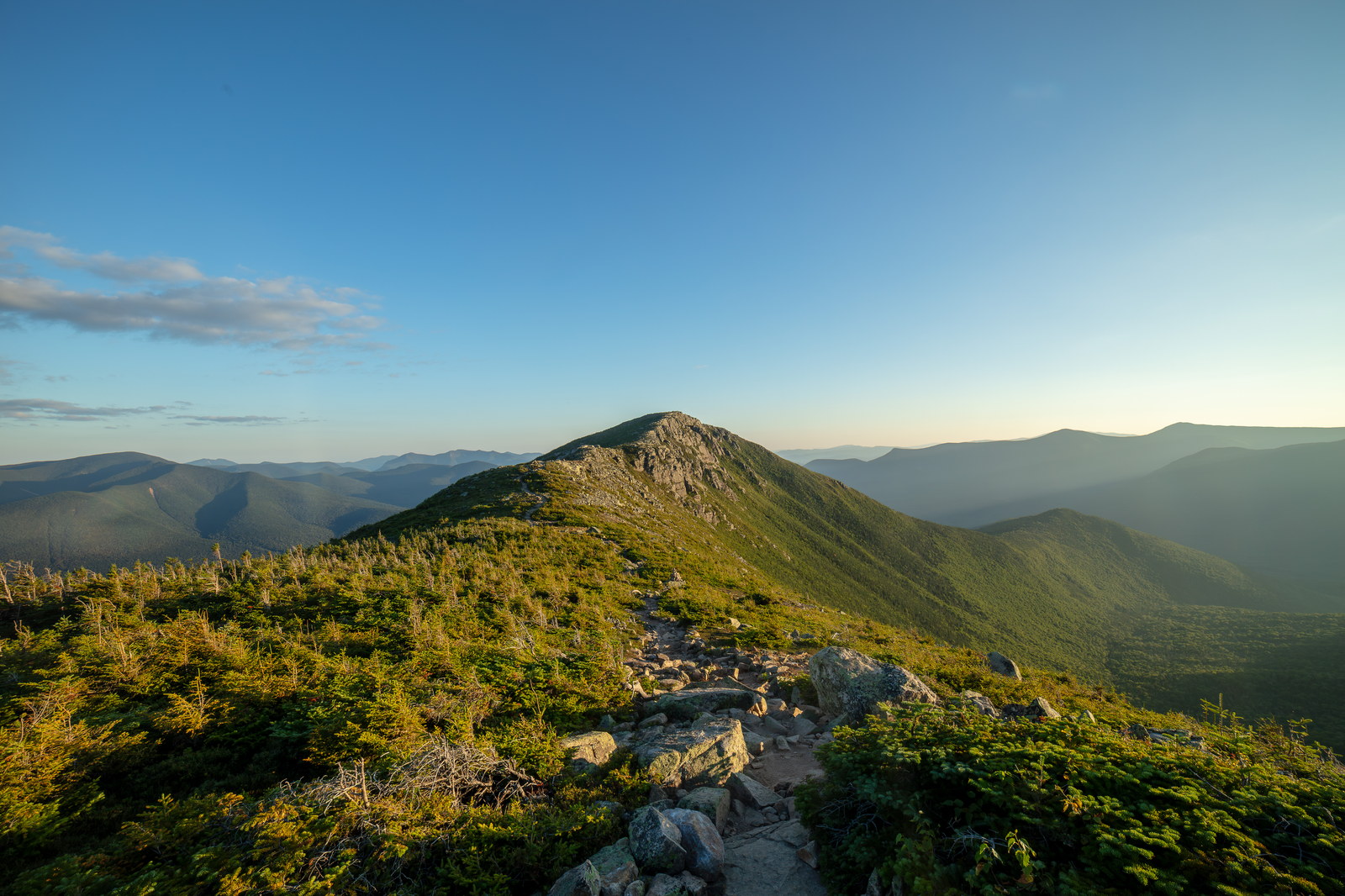
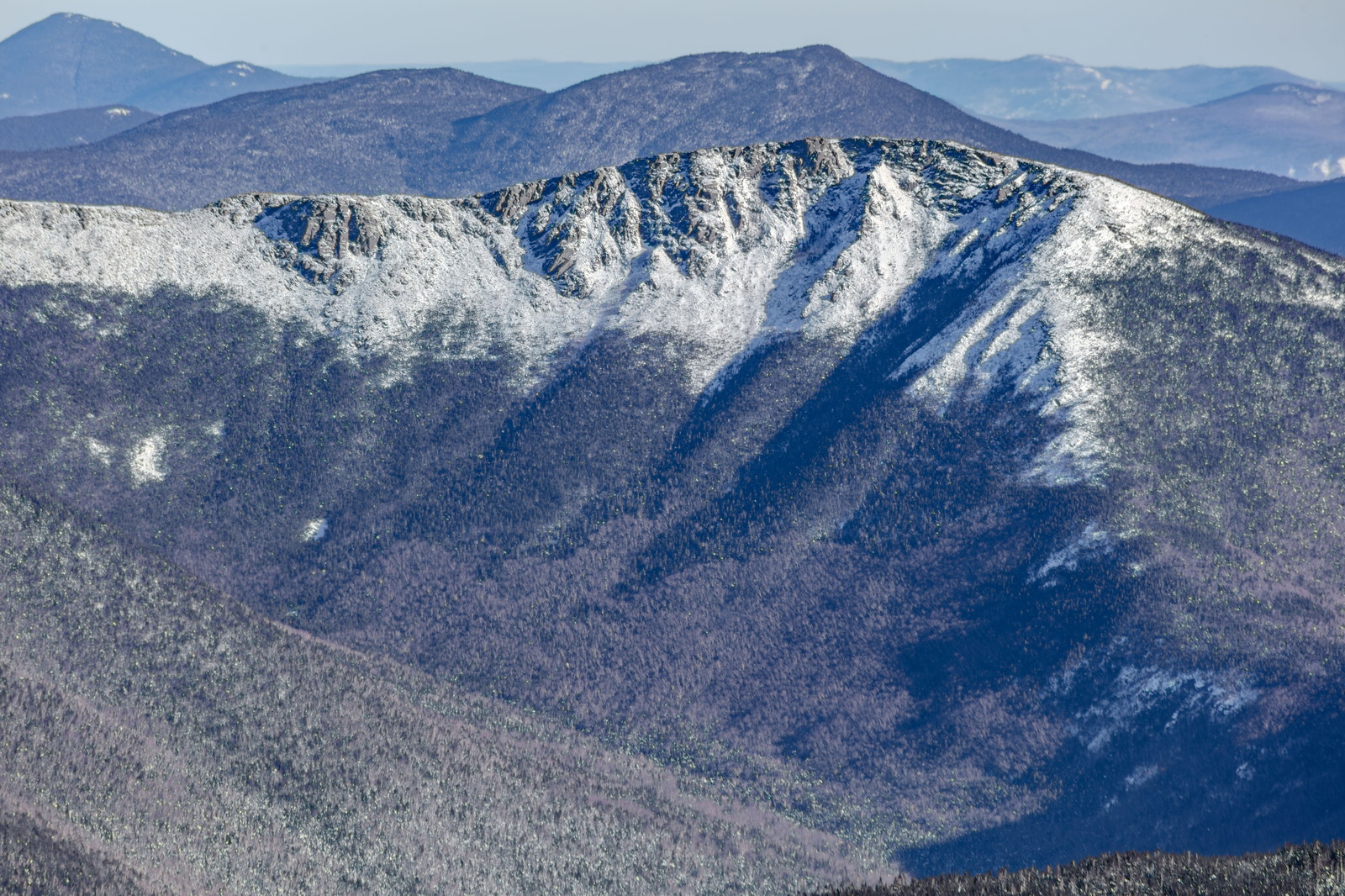
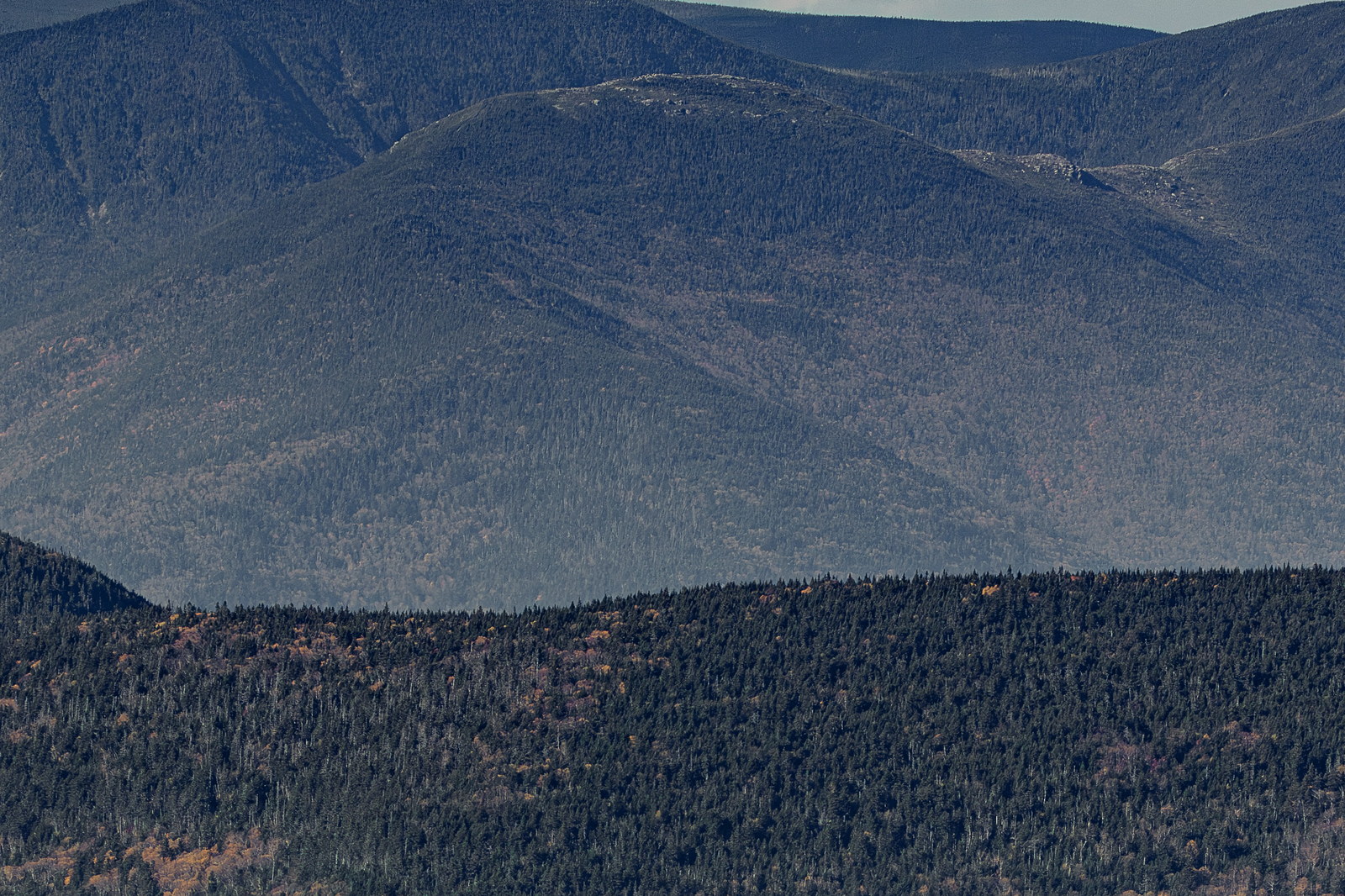
Bondcliff is a 4,265-foot peak in the White Mountains of New Hampshire. It is a subsidiary ridge summit of Mount Bond and is one of the trio of peaks known as The Bonds in the heart of the Pemigewasset Wilderness. Bondcliff is known for its dramatic cliffs along the ridgeline and its sense of remoteness. The summit is above treeline and offers spectacular panoramic views, especially of the neighboring peaks Mount Bond and West Bond and across the wilderness towards Owl’s Head and Franconia Ridge. Bondcliff, like Mount Bond and West Bond, is reached by a long approach and is often hiked as part of an extended loop or traverse. Bondcliff is the southernmost of “The Bonds,” a trio of peaks at the heart of the Pemigewasset Wilderness. It is essentially the long southern ridge of Mount Bond, terminating in sheer cliffs that drop hundreds of feet – one of the most dramatic natural features in New England. Bondcliff is named in conjunction with Mount Bond, thus inheriting the dedication to Professor George P. Bond. In early AMC literature, this peak was sometimes called “The Cliff of Mt. Bond” or simply “Bond’s Cliff.” The first recorded ascent of Bondcliff was likely in the 1880s by AMC explorers like Charles E. Lowe during the survey of the area. By the late 1890s, the Zealand Valley Railroad and the East Branch & Lincoln Railroad had encircled Bondcliff’s flanks, meeting at Camp 17 near today’s Bondcliff Trail terminus. Lumbermen clear-cut the valleys (Hellgate Brook, Black Brook) on both sides of Bondcliff. After logging ceased (circa 1900–1910), wildfires scorched parts of the region and then nature slowly rebounded. In 1964, the Bondcliff area was part of the first wilderness designated in the eastern US (Pemigewasset Wilderness precursor under the Wilderness Act), and in 1984 it gained further protection. Because it is so remote, Bondcliff has always been revered by the hiking community. A trail (the Bondcliff Trail) was cut by the AMC in 1948 along the old railroad bed and up the ridge, making access a bit easier. Bondcliff’s summit, marked by a small cairn, offers spectacular panoramic views – especially back north to Mount Bond and West Bond, and across the wilderness toward Franconia Ridge and Owl’s Head. Many a White Mountain devotee has captured the iconic photograph of a companion standing on the famous jutting ledge on Bondcliff’s ridge, a pose that symbolizes the freedom and wildness of these mountains.