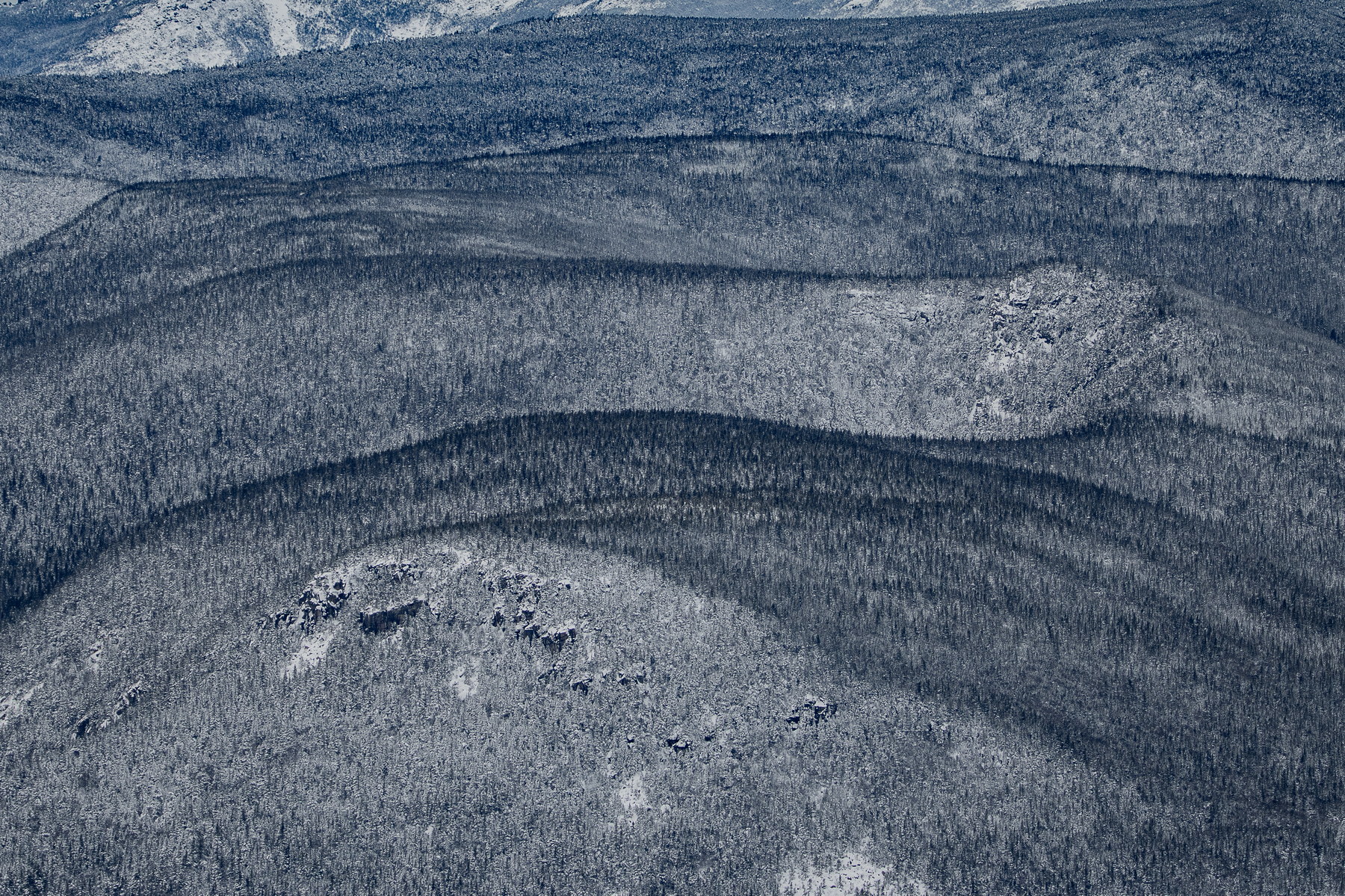
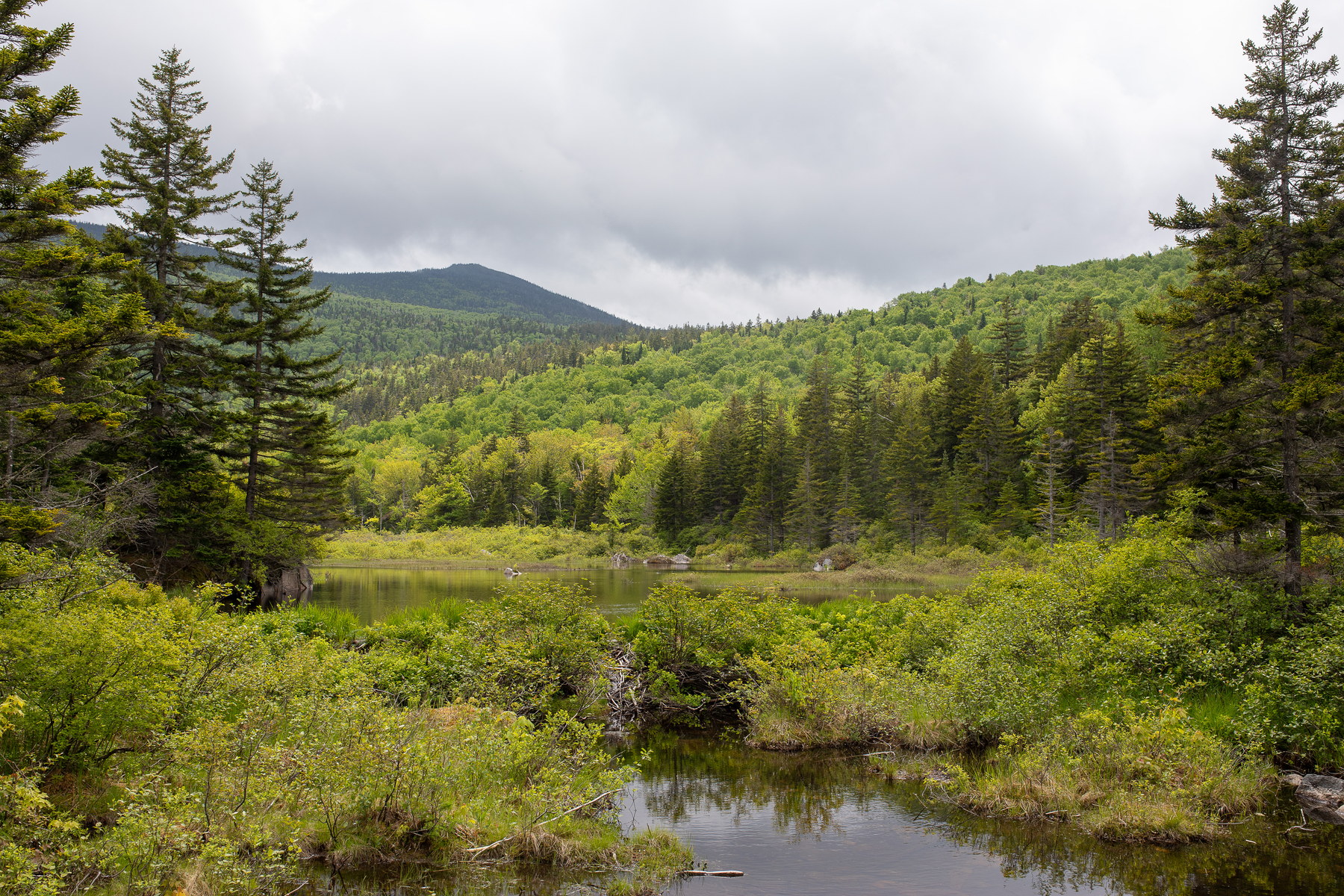
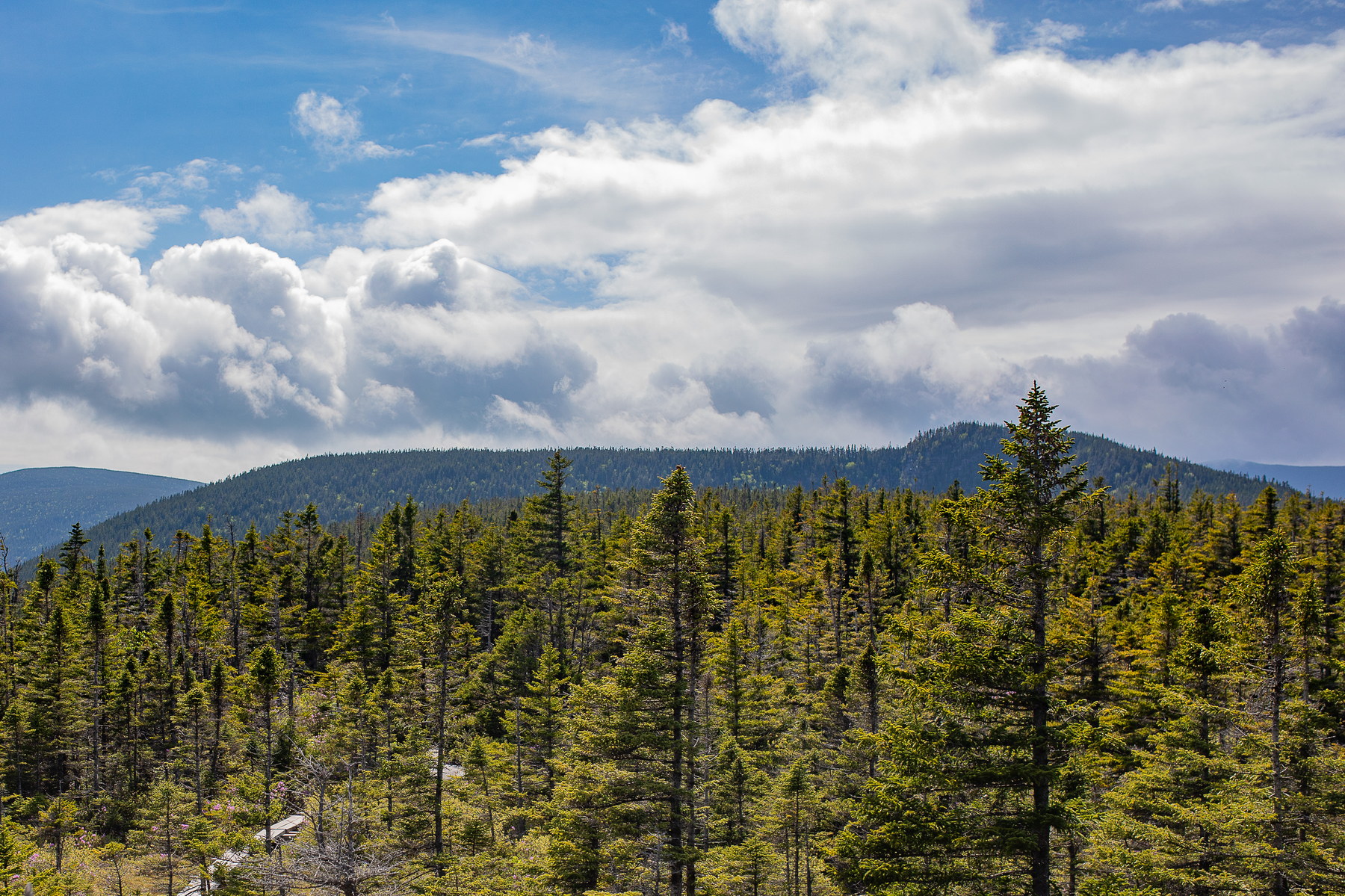
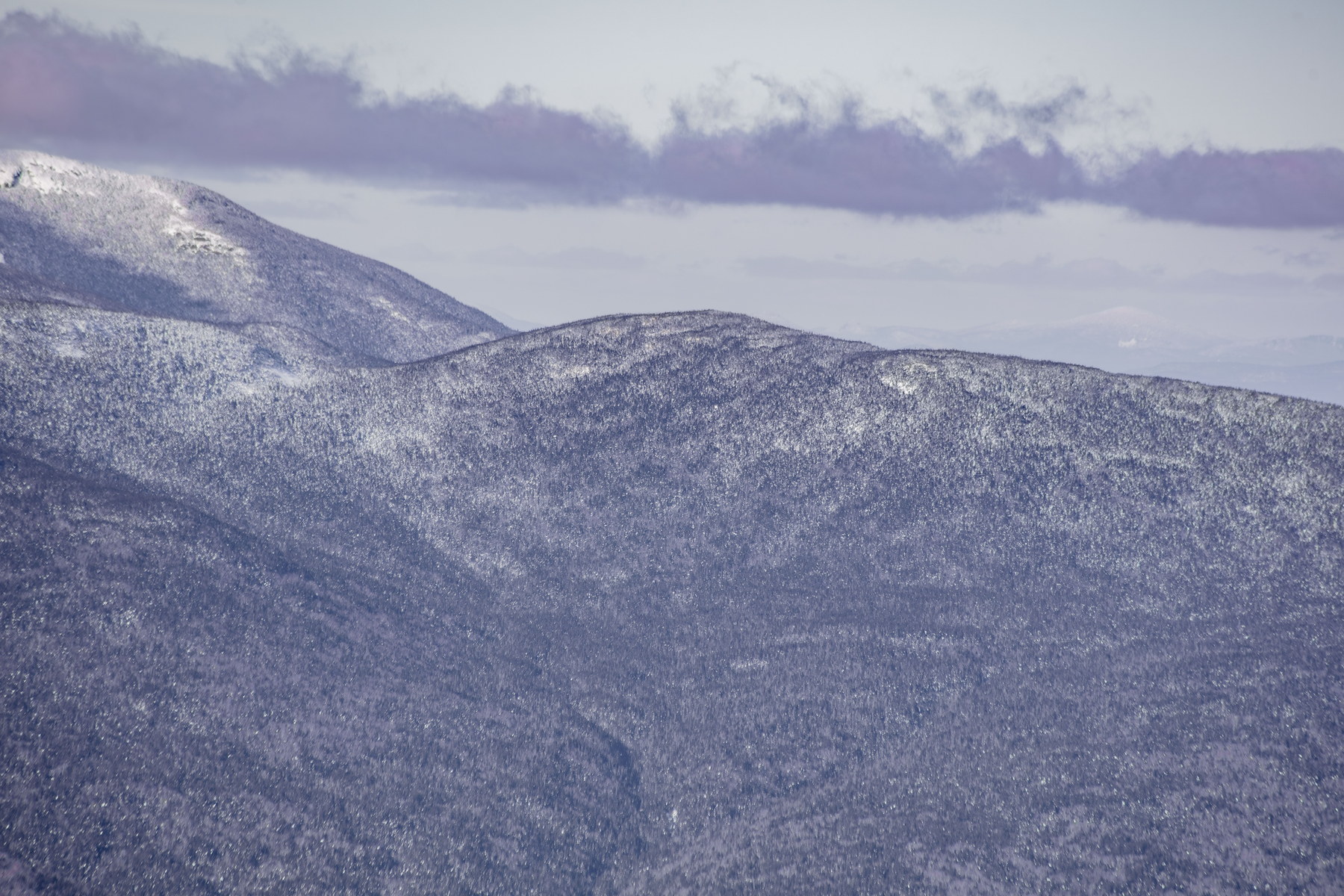
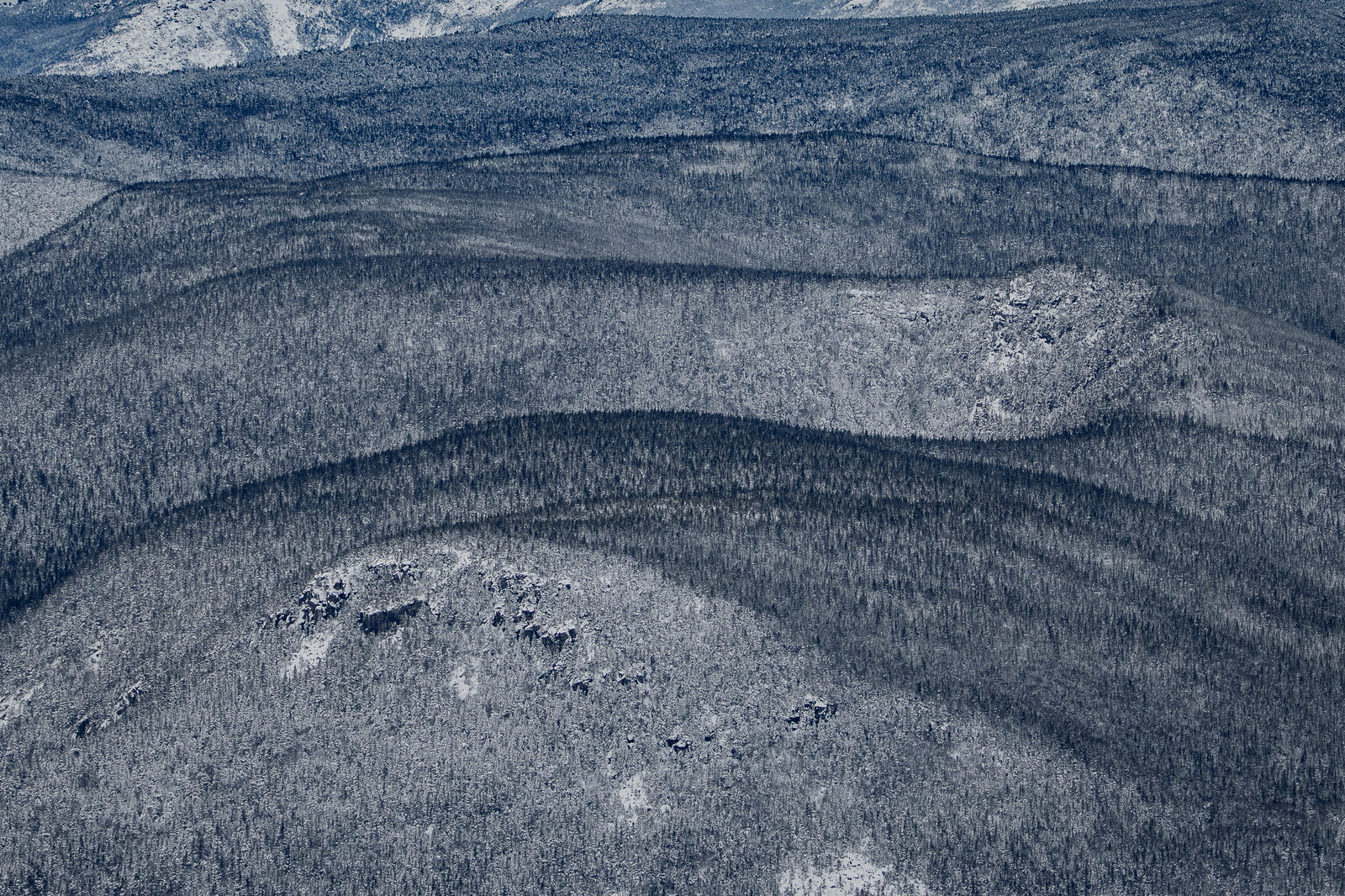
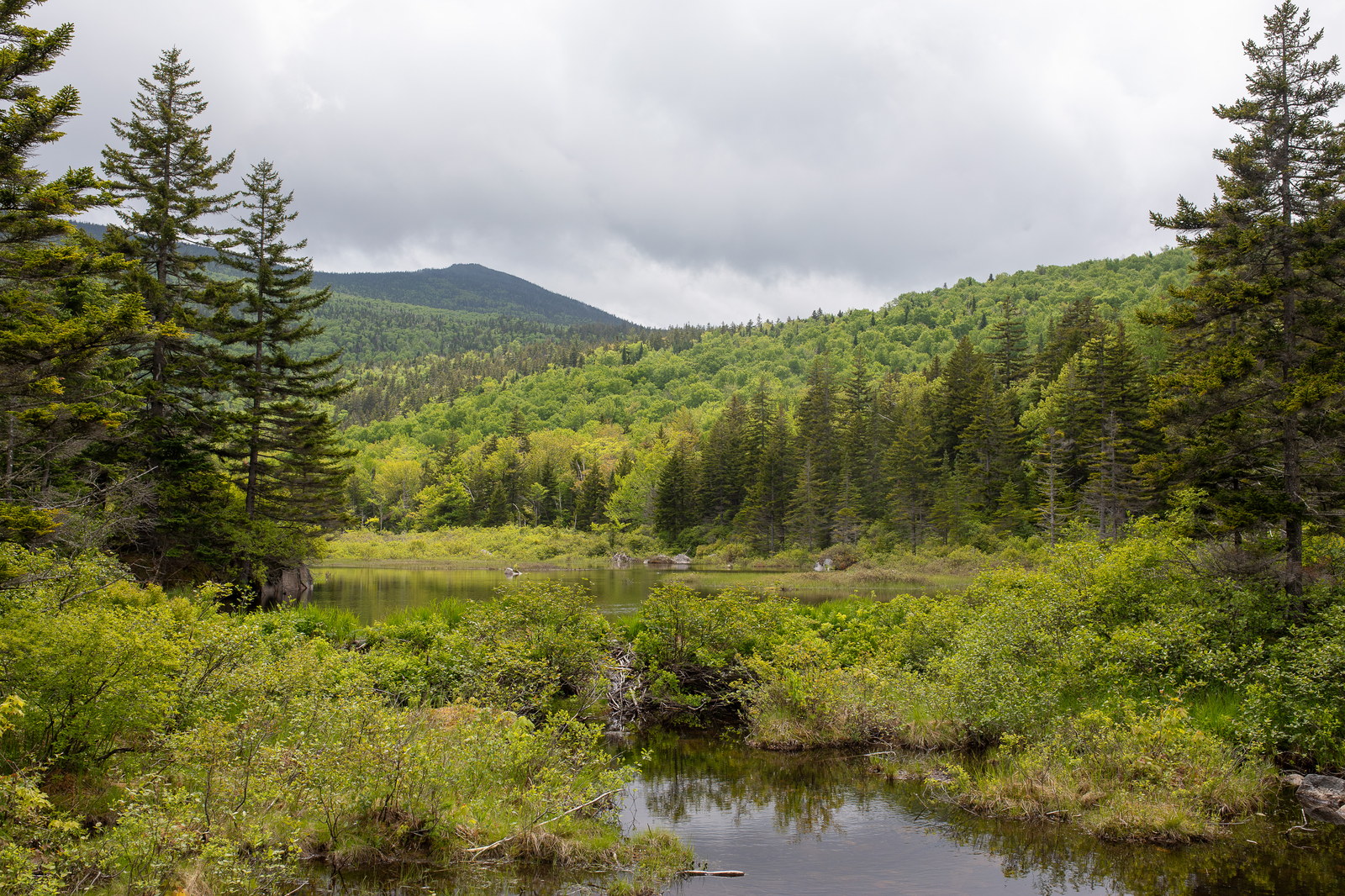
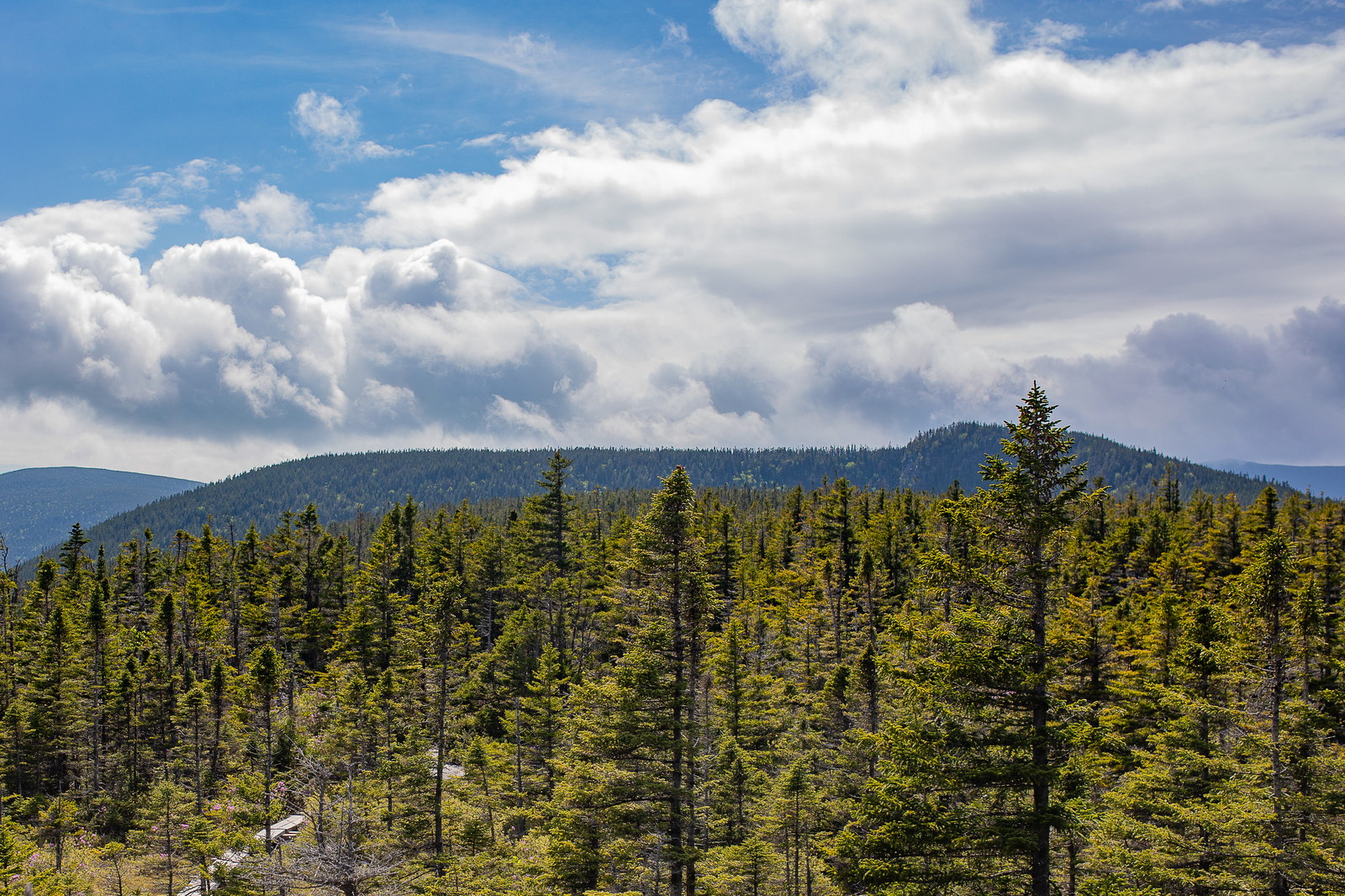
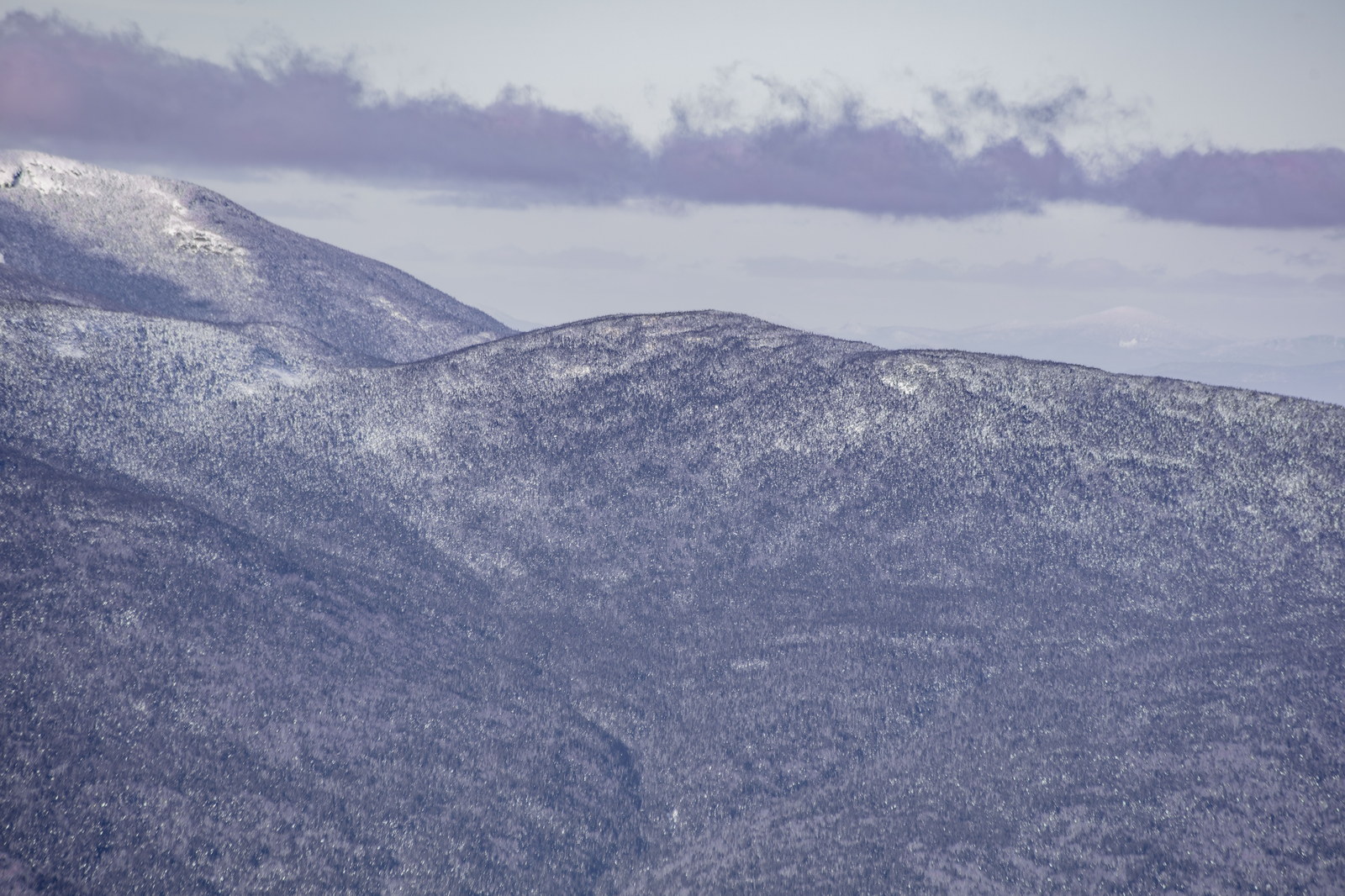
Zealand Mountain (sometimes called Mount Zealand) is a 4,260-foot mountain located in Grafton County, New Hampshire. It stands on the northwestern side of the Pemigewasset Wilderness and is part of the Twin Range of the White Mountains. The summit area is densely wooded and viewless, marked by a small cairn. Zealand Mountain is known for its remote location and is often accessed via the Zealand Trail and Twinway (which passes by Zealand Falls and Zealand Hut). Although the summit itself has no views, nearby outlooks on Zeacliff along the approach offer stunning views of the Zealand Valley and surrounding peaks. Zealand Mountain is a peak hidden in the deep forests on the northwestern side of the Pemigewasset Wilderness. Its name “Zealand” originates from a 19th-century logging community that once thrived in the valley north of the mountain. Zealand village was established around 1880 by timber baron J.E. Henry in the town of Carroll. At its height, Zealand had a huge steam-powered sawmill (200 hp), a company town with homes, a store, a school, and two railroad lines servicing it – the Zealand Valley Railroad (1885–1897) and a connection to the Boston & Maine line. The village’s name may have been inspired by New Zealand or perhaps simply chosen as a unique moniker by Henry (some speculate it was named after a horse or a fanciful marketing idea). Logging operations clear-cut the forests around Zealand Mountain in the 1880s and 1890s. Two enormous forest fires (in 1886 and 1897) ravaged the cut-over land, even destroying much of the village in 1897. By 1900, the remaining timber was gone, the railroad was abandoned, and Zealand village faded into history. Today, near the site, the Zealand Trail leads hikers past cellar holes and along the old railroad grade. Zealand Mountain’s summit itself is marked by a small cairn in dense spruce – with no views – a quiet memorial to the wild land it has become again. Many hikers reach it via the Twinway after enjoying the spectacular vista from Zeacliff, which overlooks the rehabilitated Zealand Valley. Fittingly, the name “Zealand” – once associated with industry and devastation – is now synonymous with one of the most pristine corners of the Whites, showcasing the success of forest conservation and regrowth.