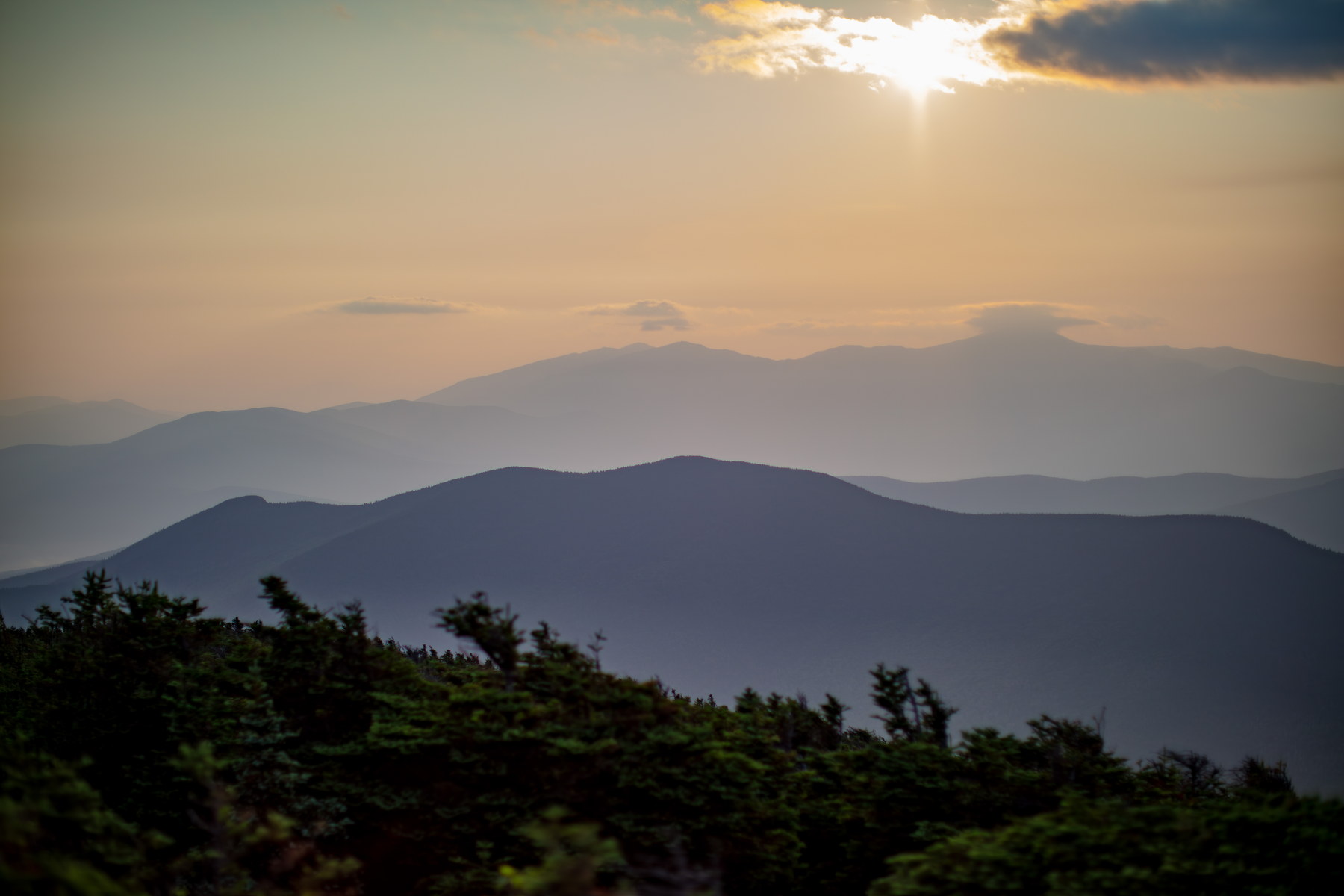
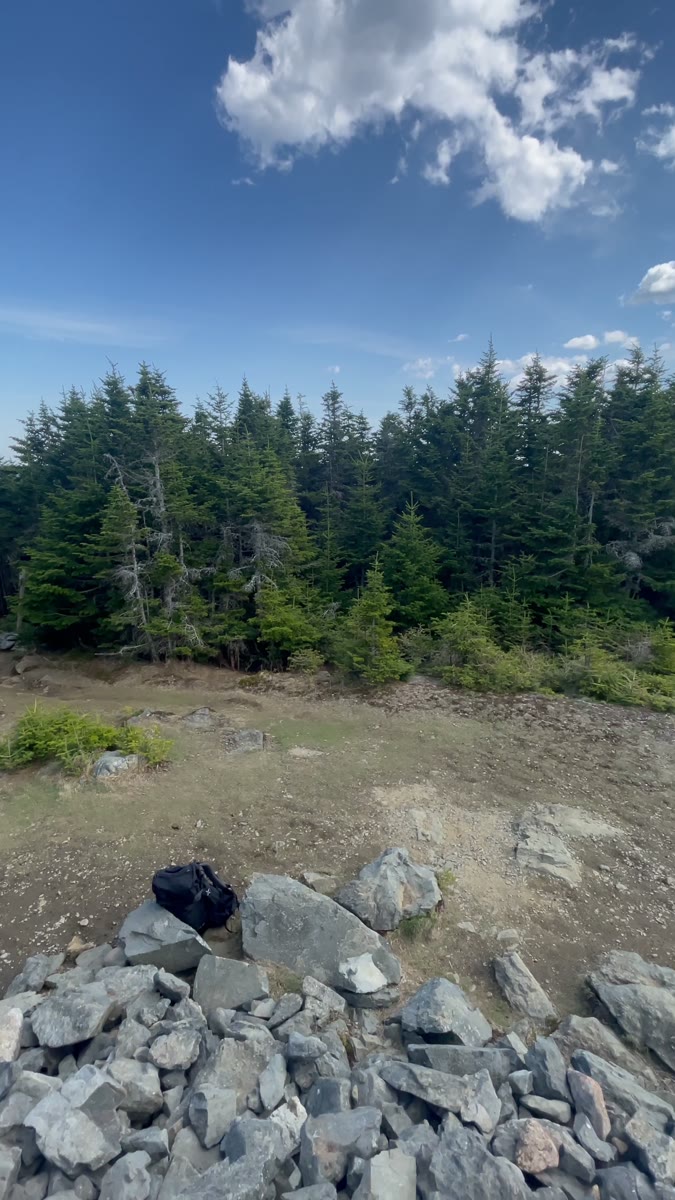
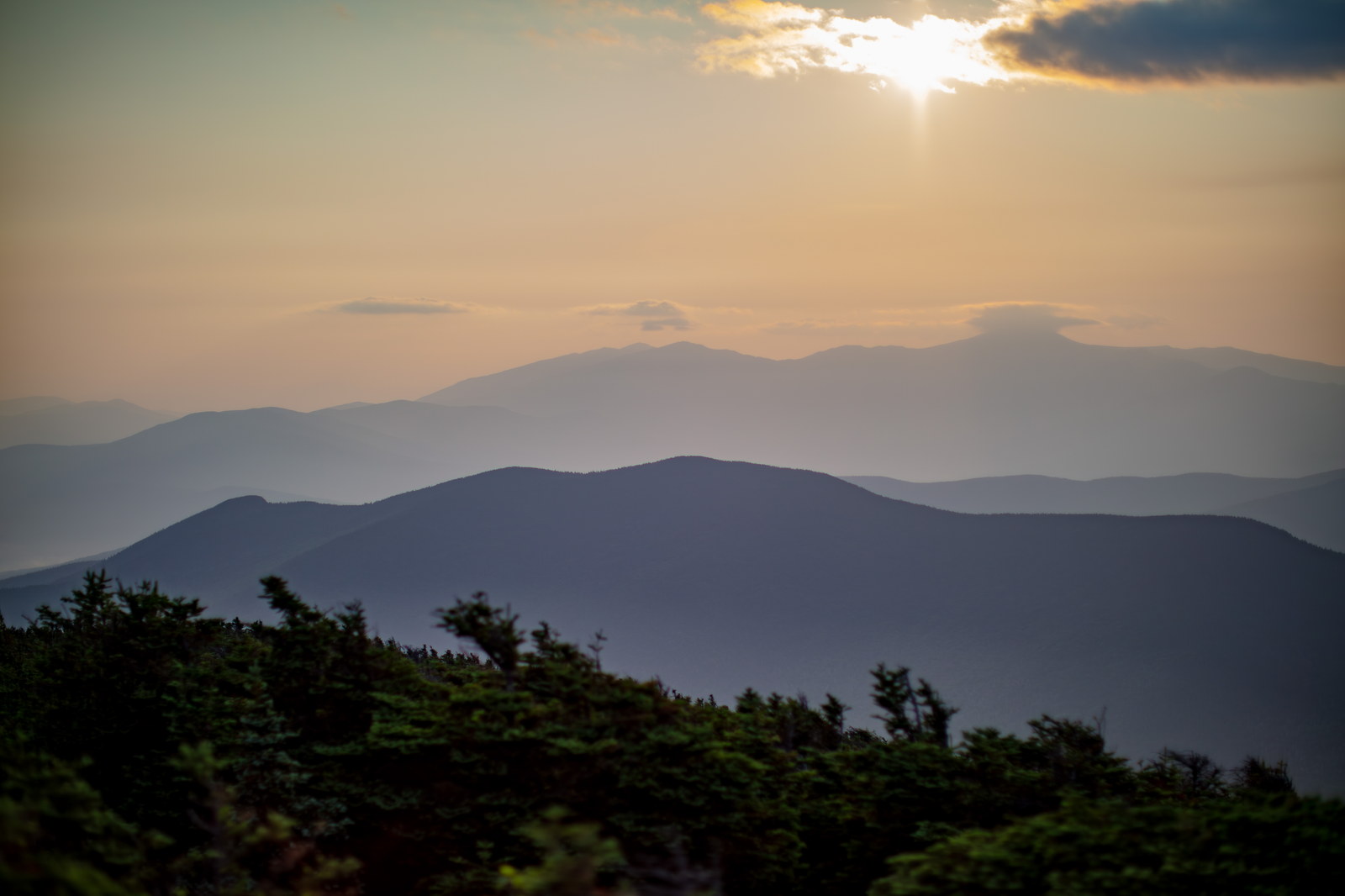
Mount Hale is a 4,054-foot mountain in Grafton County, New Hampshire. The mountain is part of the Twin Range of the White Mountains and is situated in the Bethlehem area within the White Mountain National Forest. Mount Hale was named after Reverend Edward Everett Hale (1822–1909). Its summit is wooded and capped by a large rock pile left from a former fire tower. Because of the tree cover, there are no sweeping views at the very top, but limited outlooks can be found on the trail during the ascent. Mount Hale is considered one of the shorter and easier 4,000-footer hikes, often climbed from the Zealand Road area. Mount Hale is a lesser-known 4,000-footer located in the Twin Range, within Bethlehem township. It was named for Reverend Edward Everett Hale (1822–1909), a prominent clergyman and author. (Edward Everett Hale is remembered for works like the 1863 story “The Man Without a Country,” and he was also Chaplain of the U.S. Senate. The mountain’s name was conferred in the early 1900s, likely soon after Hale’s death, by the AMC to honor him.) Mount Hale’s summit was once the site of a fire lookout tower, built in 1928–29 by the Forest Service. The wooden tower and a warden’s cabin stood on the summit clearing for several decades. The tower was manned during the big fire years of the 1930s and 1940s but was taken out of service in 1948. Eventually, in 1972, the decaying tower was removed entirely (the cabin had been gone earlier). Today all that remains is the large rock pile that was the base for the tower – hikers often climb it to get a limited view above the treetops. Before the establishment of the National Forest, the Hale area saw logging by the Zealand Valley operations (J.E. Henry) in the 1890s and later by Parker-Young Company in the 1910s. An old logging railroad (Zealand Valley R.R.) ran close to Mount Hale’s base. The creation of the Zealand Trail and Lend-a-Hand Trail by the AMC (in the 1930s) turned Mount Hale into a hiking objective. It’s considered one of the shorter/easier 4,000-footers, yet it holds a bit of mystery: because the summit is wooded with no views, it’s one of those peaks people climb mainly “because it’s there” on the list. In recent years, there was even an effort to measure Hale’s exact height with modern GPS – confirming it still exceeded 4,000 feet. Regardless of its modesty, Mount Hale’s historical footnote as a once-important fire lookout and its connection to a famous writer give it a quiet dignity.