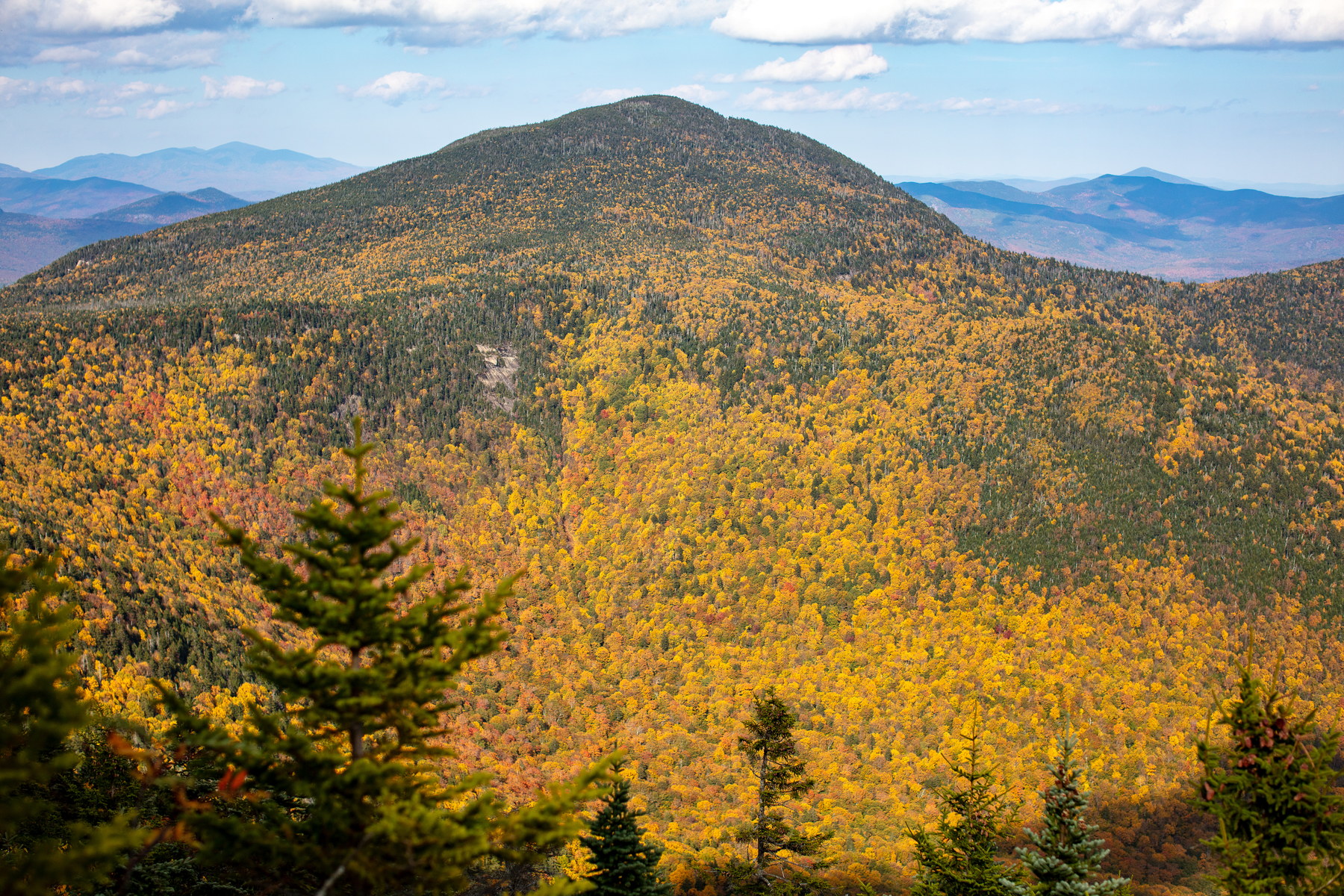
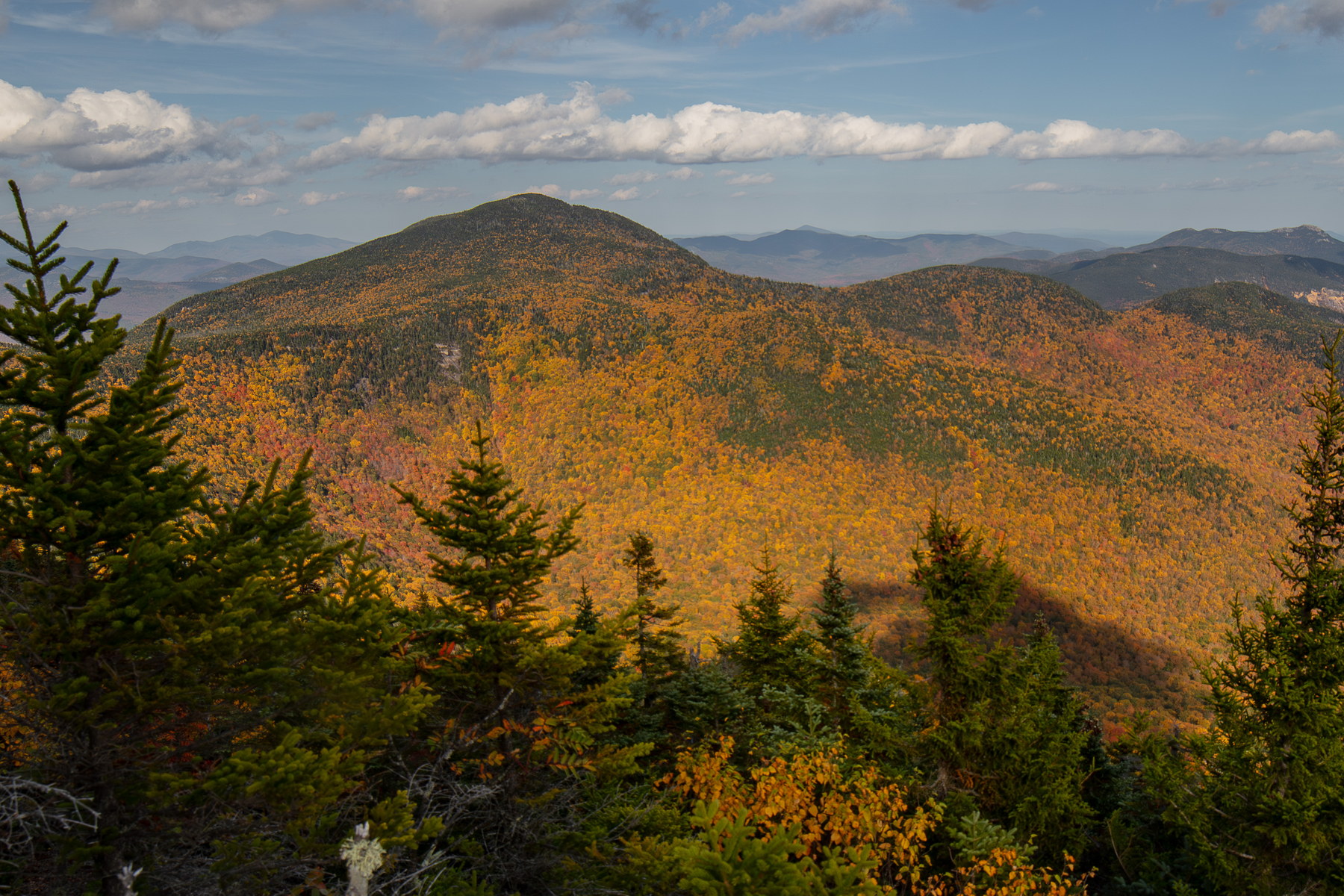
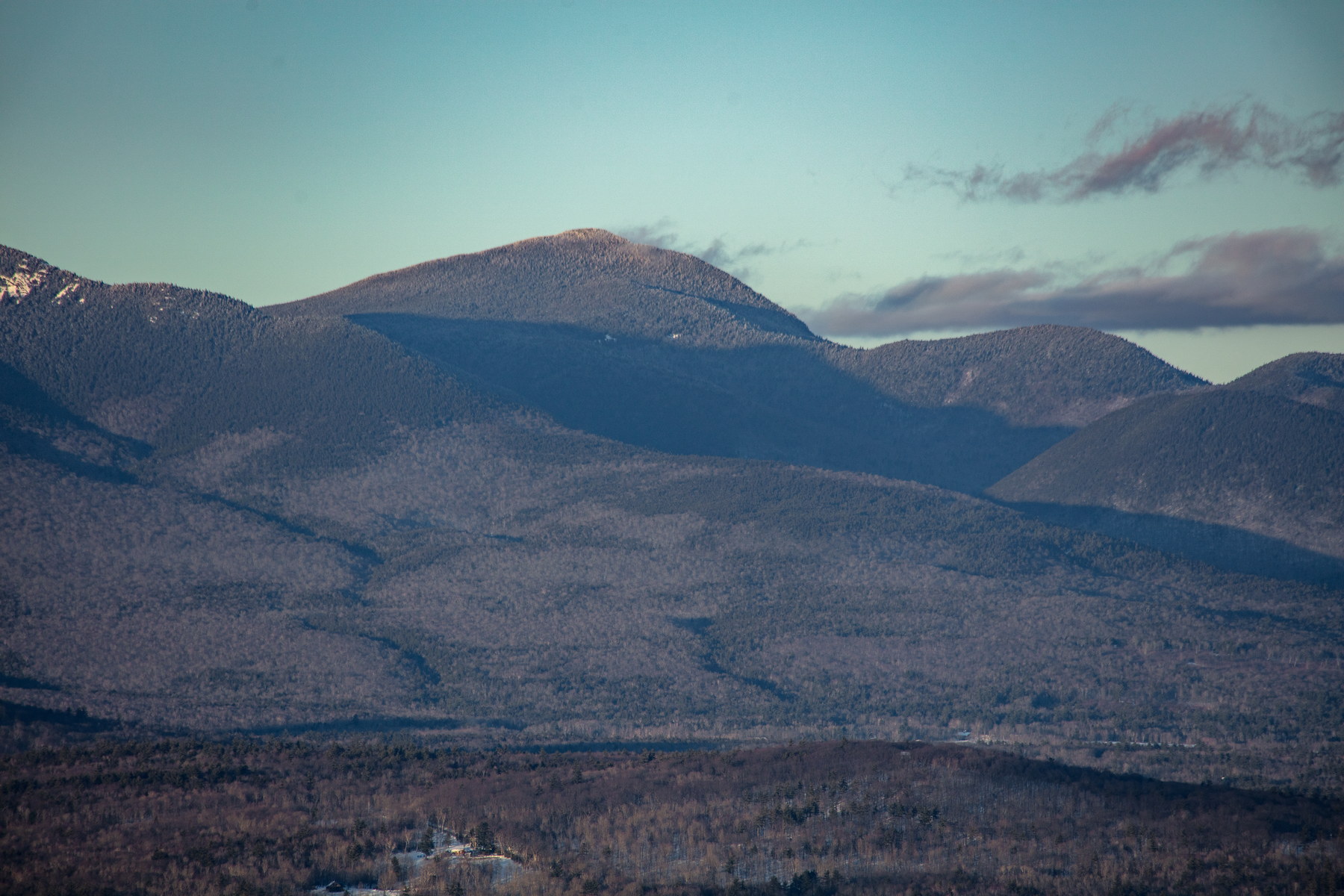
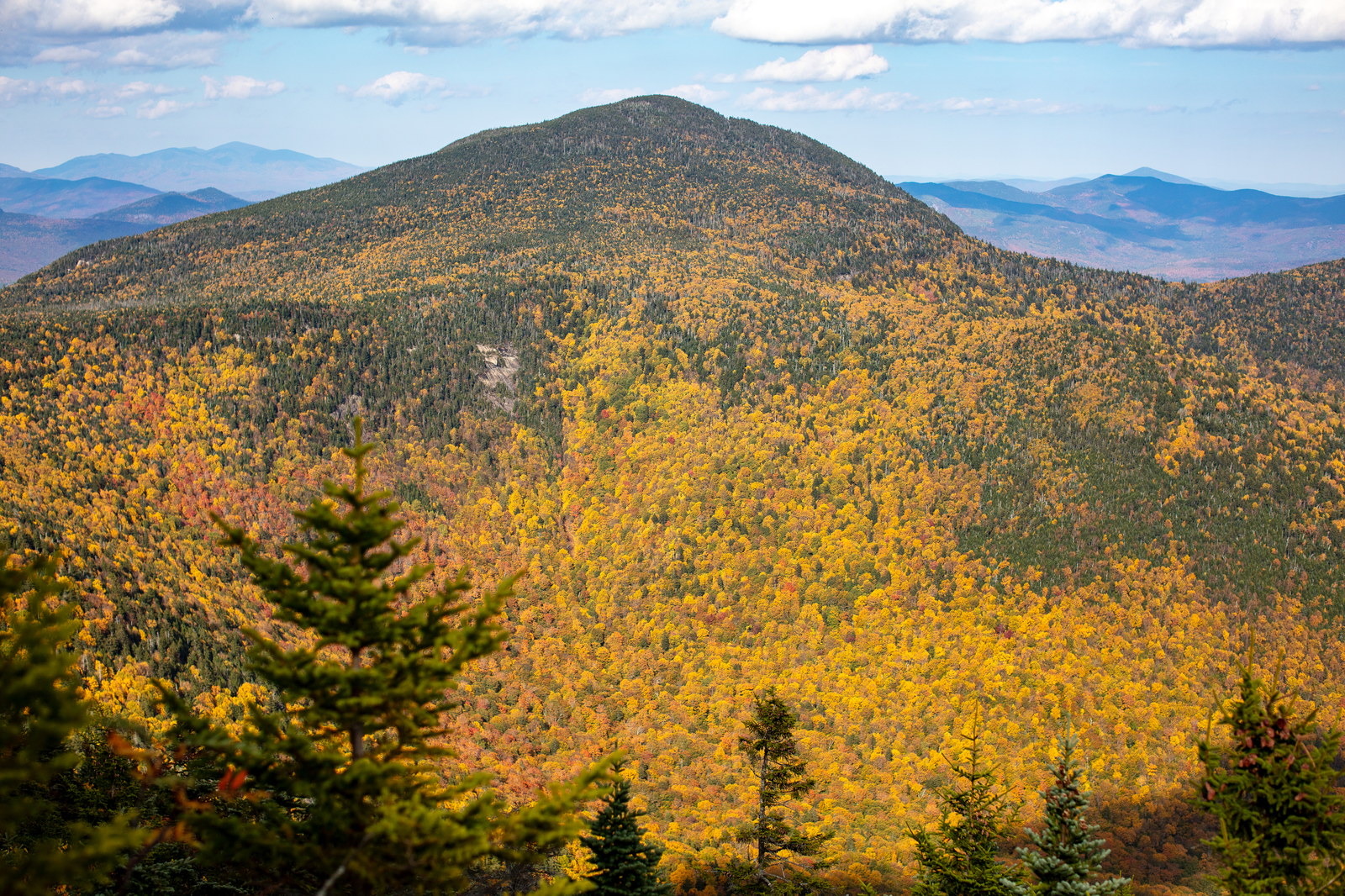
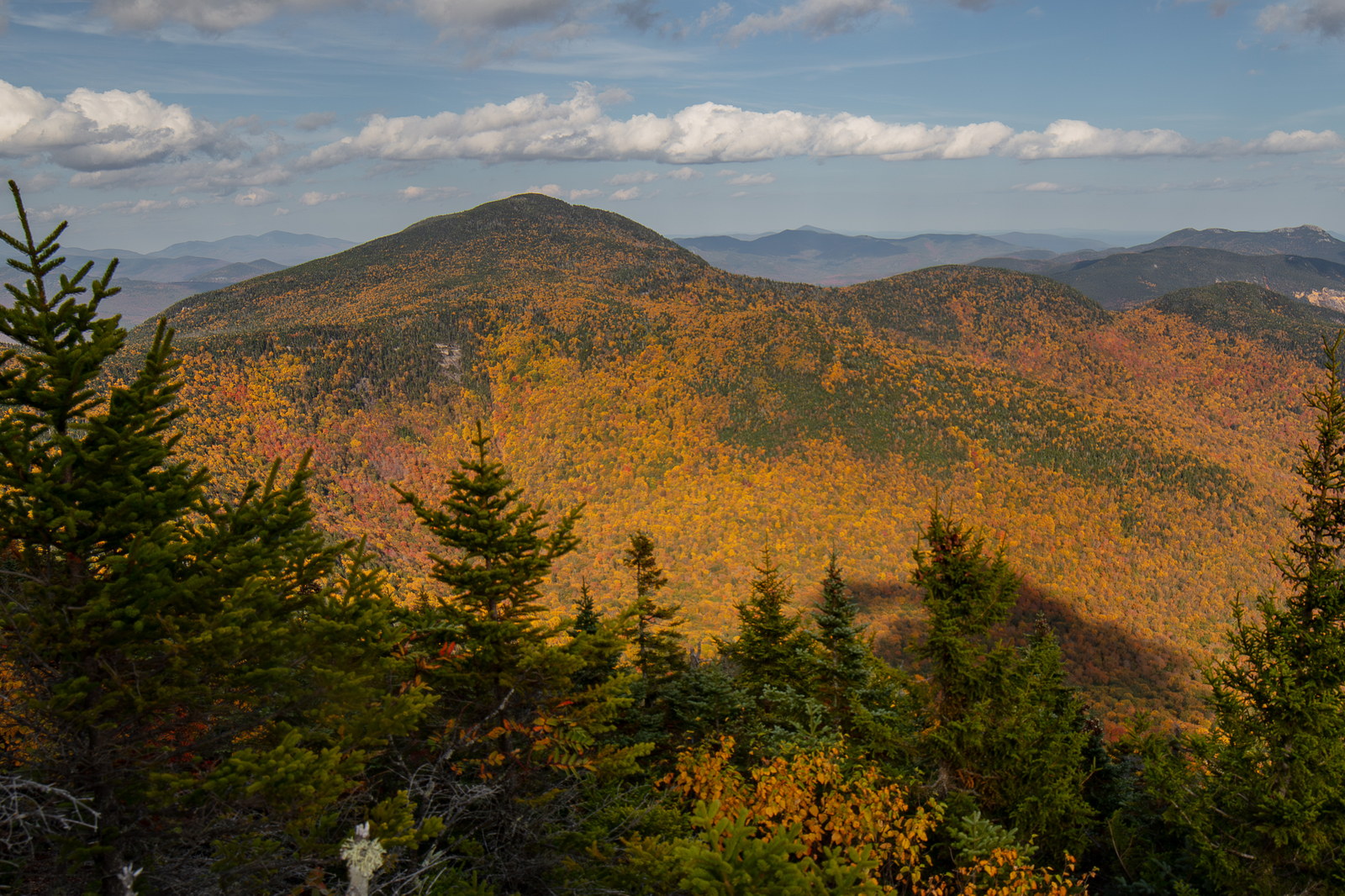
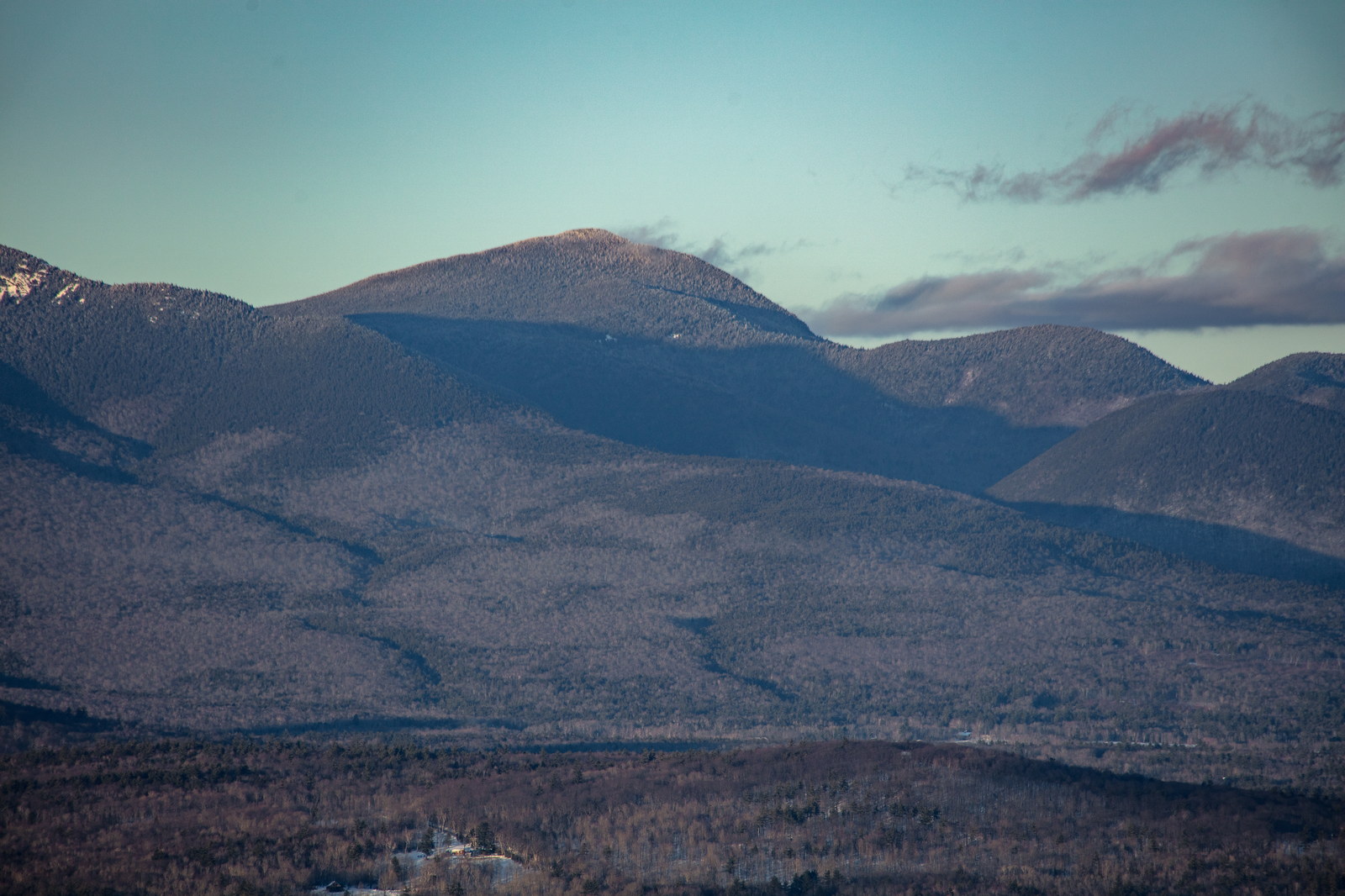
Mount Passaconaway is a 4,043-foot mountain in the Sandwich Range, located in Grafton County (town of Waterville Valley), New Hampshire. The mountain is named after Passaconaway, a legendary 17th-century sachem (chief) of the Pennacook people. Mount Passaconaway is densely wooded on top; its summit is tree-covered with a small cairn marking the high point. Although the summit itself has no view, a short spur path leads to a clearing with an excellent southward outlook. Mount Passaconaway is often hiked along with neighboring Mount Whiteface, and it is known for its steep, challenging ascents (such as via the Dicey’s Mill Trail or the Walden Trail) and for the wilderness feel of the Bowl Research Natural Area on its eastern flank. Mount Passaconaway is a prominent peak in the Sandwich Range Wilderness, named after Chief Passaconaway, the great 17th-century sachem of the Pennacook people. Passaconaway (whose name means “Child of the Bear”) was a legendary figure in New England lore; he is said to have been a powerful shaman who united several tribes in peace and possibly met with early Massachusetts colonists. According to one popular legend, Passaconaway, at the end of his life, ascended a high summit (some versions say Mount Washington, others say Mount Agamenticus or even this mountain) and rode off into the sky on a sled pulled by wolves, bidding farewell to his people. Such stories, though apocryphal, added a mystique to the mountain’s name among white settlers. The mountain was likely named by Dartmouth professor Edward Tuckerman or one of his contemporaries around the 1820s, as part of a burst of interest in Native American names (nearby Mount Chocorua and Mount Kancamagus similarly honor local chiefs). Mount Passaconaway’s steep, wooded slopes remained a stronghold of old-growth forest well into the logging era. One area on its eastern side, The Bowl, was never logged due to its inaccessible basin – it contains virgin spruce forest to this day, designated as a Research Natural Area. Logging did occur on Passaconaway’s lower slopes (the Swift River Railroad reached its south side in the 1890s), but higher elevations were largely spared. In 1891, the Wonalancet Outdoor Club cut the first trail to the summit (the Dicey’s Mill Trail, named after an old sawmill). In the late 1800s and early 1900s, hikers could stay at the Passaconaway Lodge in Wonalancet village and hire guides for the climb. Although the summit of Passaconaway is wooded with no view, a short spur leads to a south outlook known as Nanamocomuck’s Ledge (Nanamocomuck was Passaconaway’s son), which provides a stunning vista over Lake Winnipesaukee and the Ossipee Range. In all, Mount Passaconaway’s rich tapestry of Native American history and 19th-century hiking culture makes it a particularly fascinating peak – one where the echoes of indigenous legend and the footprints of early Appalachian Mountain Club explorers can both be imagined as you stand among its quiet trees.