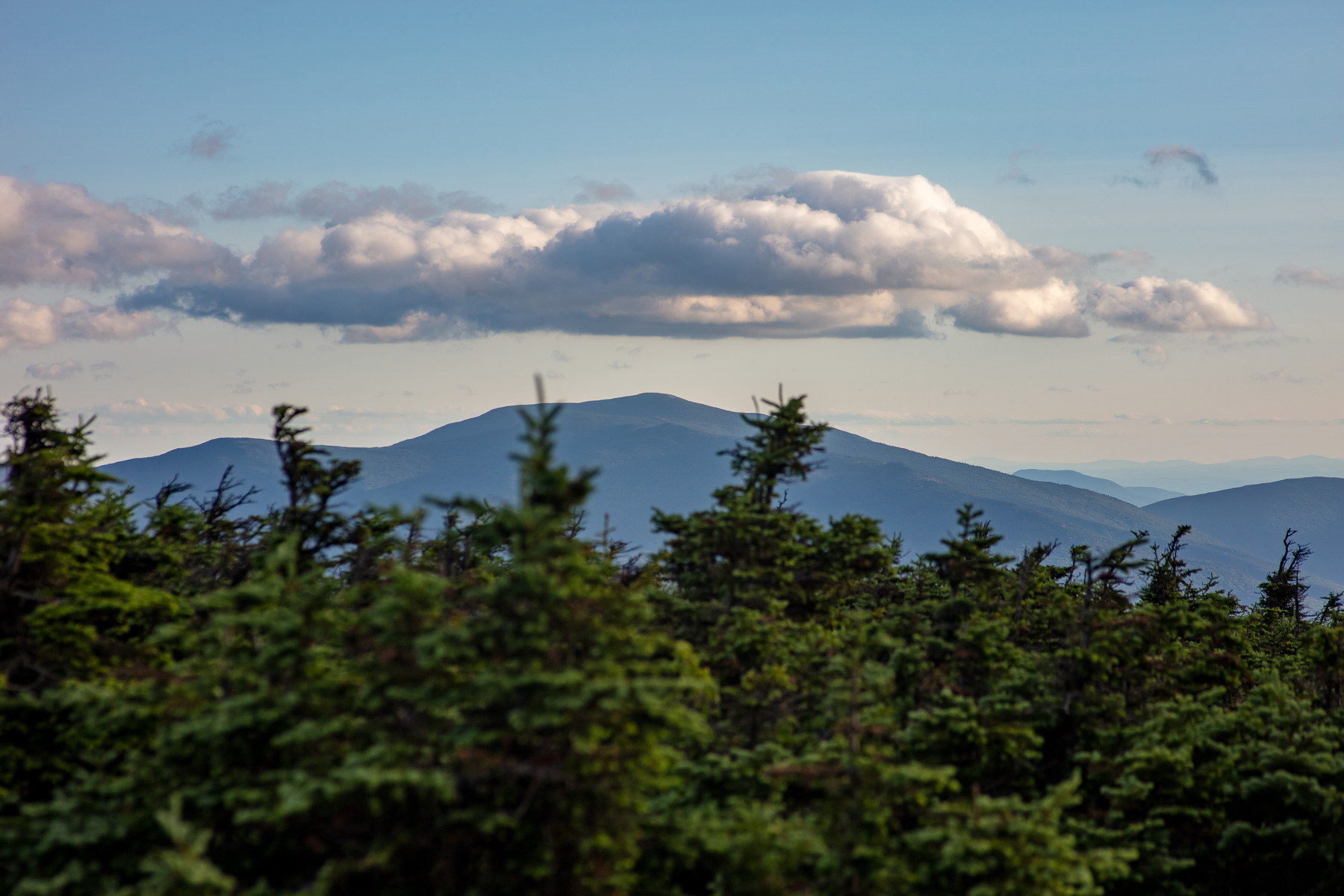
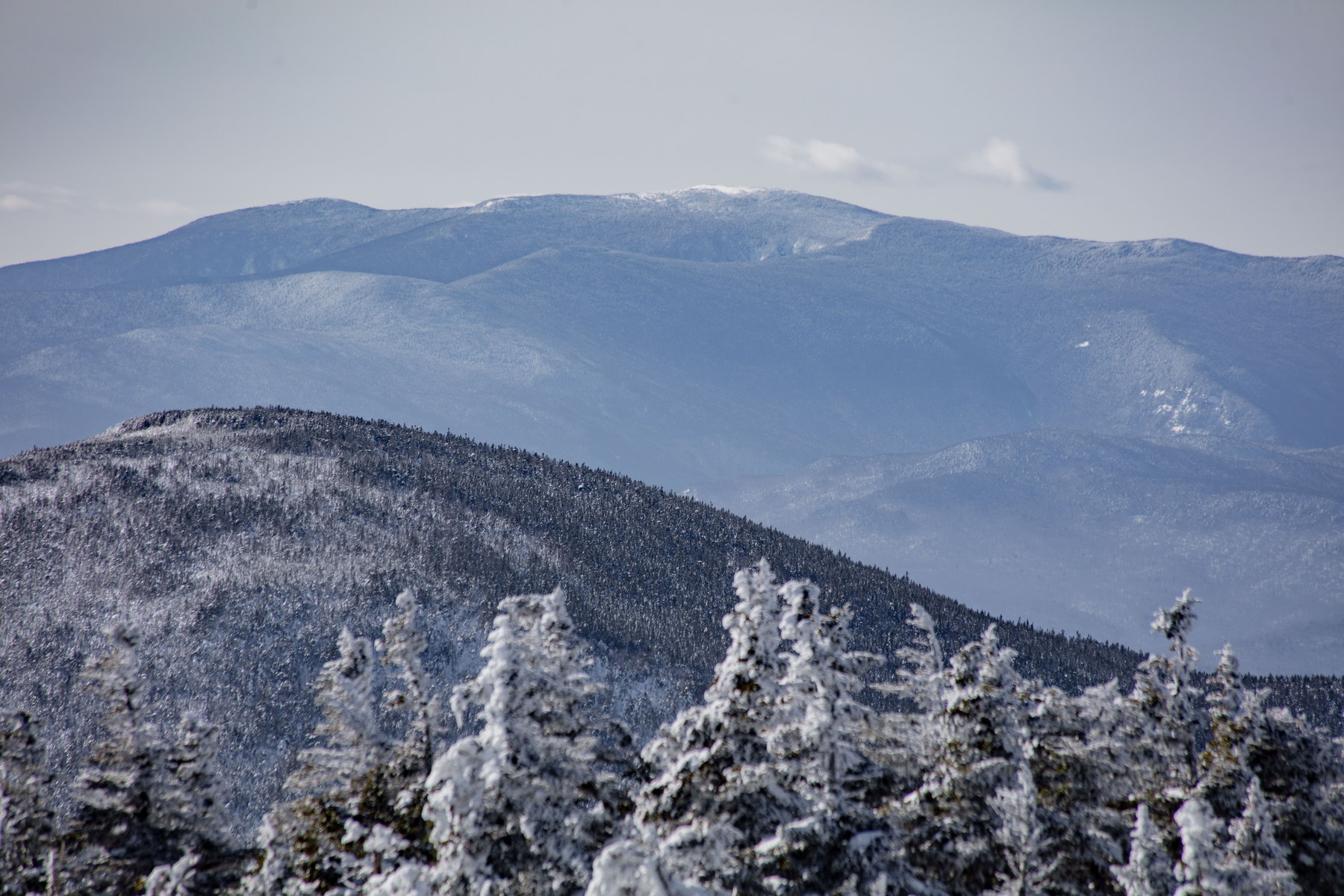
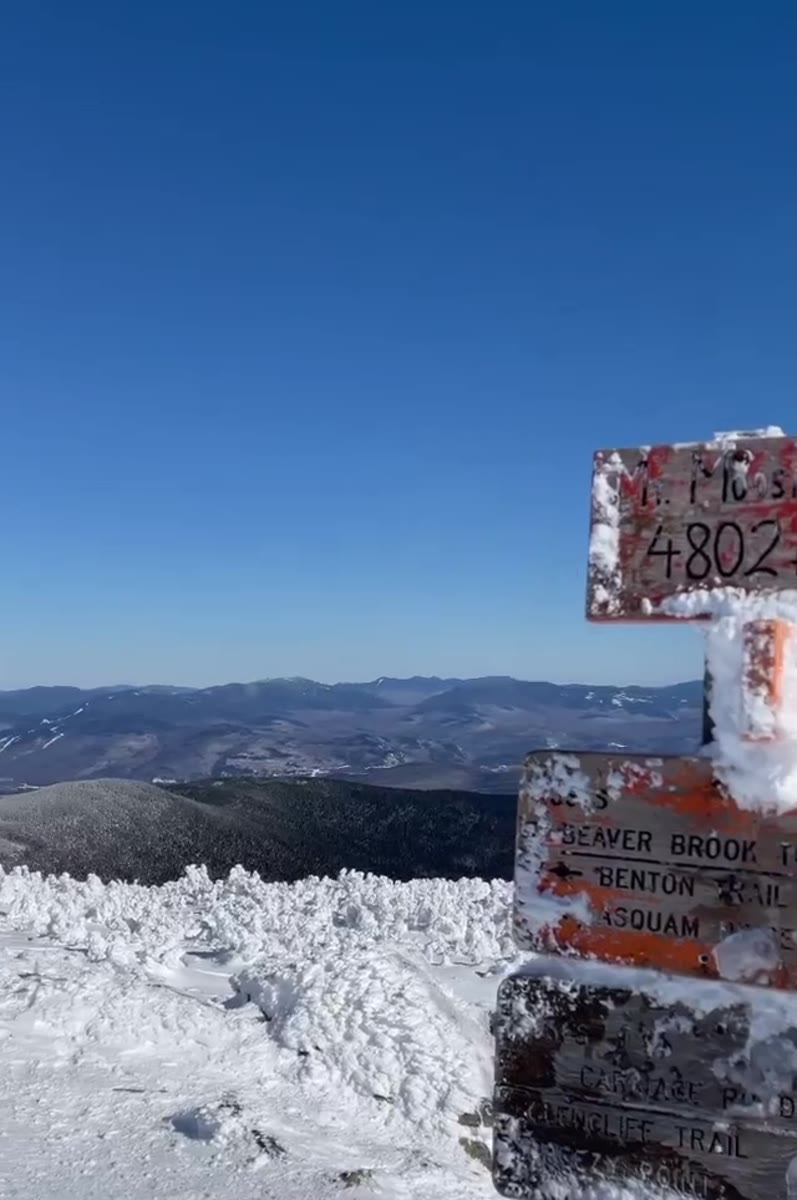
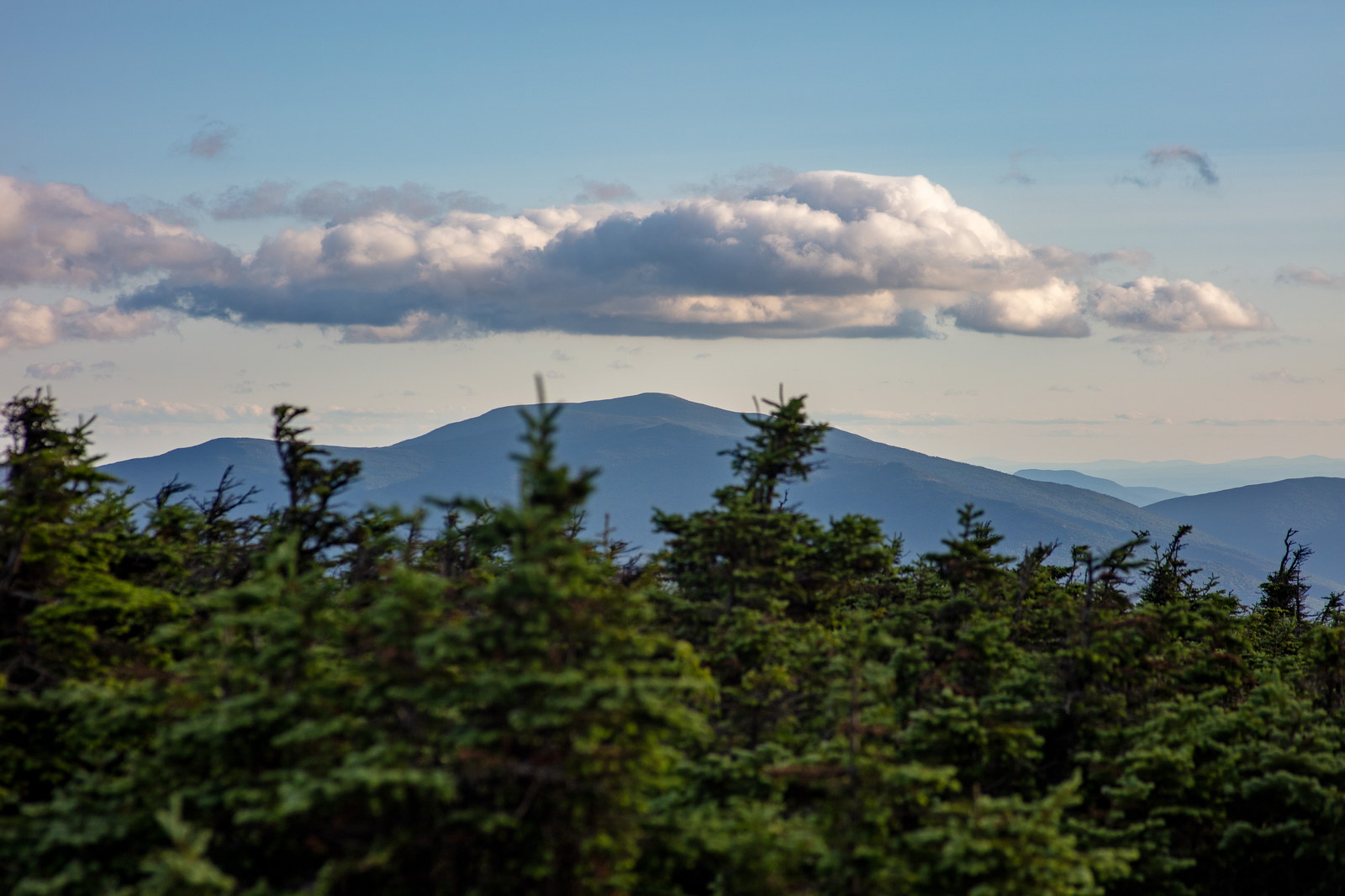
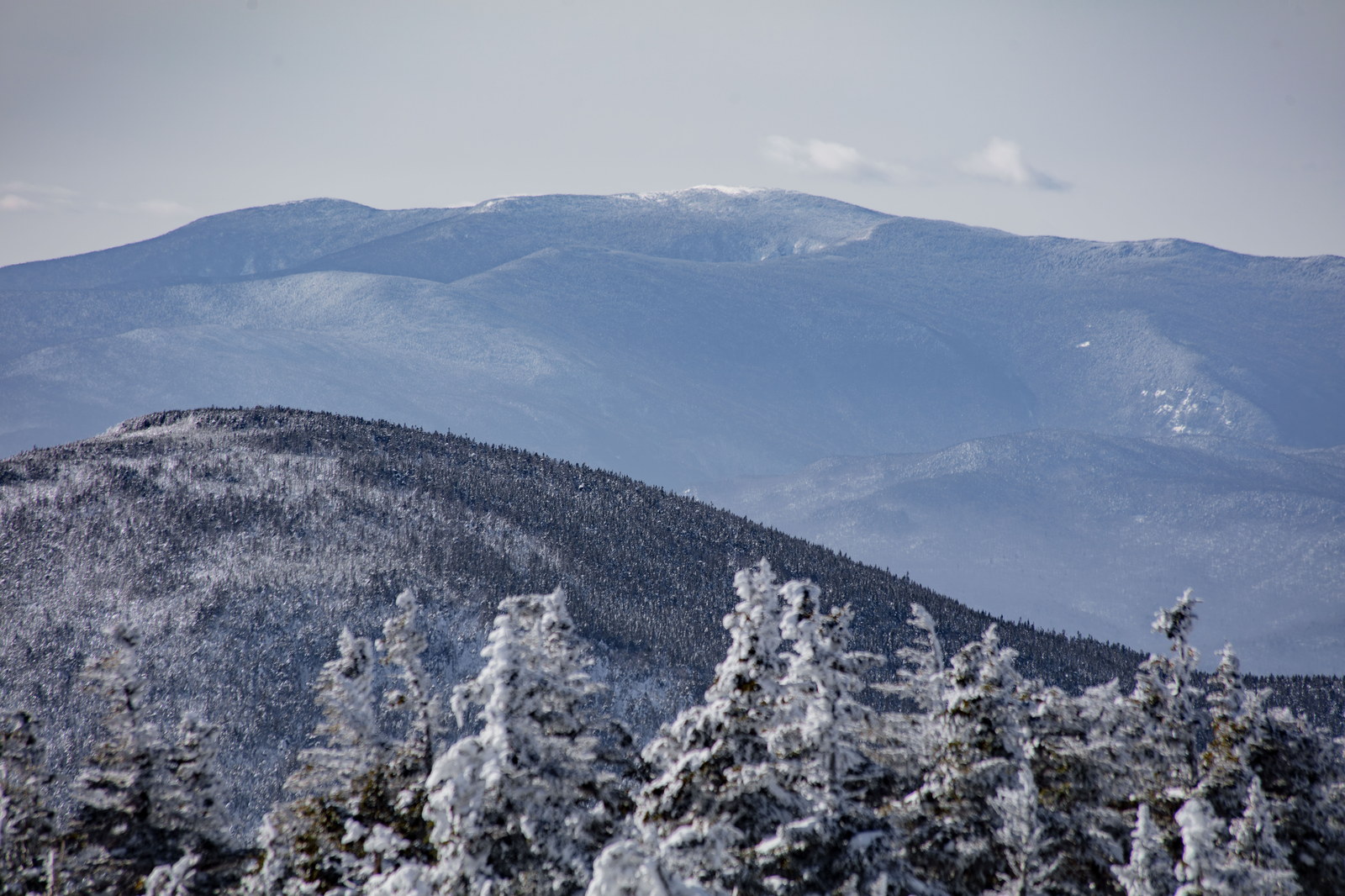
Mount Moosilauke is a 4,802-foot mountain at the southwestern end of the White Mountains, located in Grafton County, New Hampshire. The name “Moosilauke” comes from an Abenaki word meaning “bald place,” reflecting its expansive treeless summit. This mountain stands apart from the main ranges, offering wide panoramic views in all directions. Mount Moosilauke is the tenth-highest 4,000-footer in the state and is notable for its alpine tundra zone and the historic Moosilauke Ravine Lodge at its base. Mount Moosilauke sits at the southwestern end of the White Mountains, somewhat separate from the main ranges. The name “Moosilauke” comes from an Abenaki word meaning “bald place,” referring to its expansive treeless summit (also historically spelled “Moosehillock”). Mount Moosilauke has a storied history as a recreation spot. In the mid-19th century, it was home to one of the earliest summit hotels in the region: in 1860, the Prospect House was built on the summit (later replaced by the Tip Top House). For decades, travelers would ascend via carriage road to stay on Moosilauke’s peak. That summit house ultimately burned down in 1942, marking the end of an era. Moosilauke was also a cradle of early American skiing – the Dartmouth Outing Club cut ski trails on its slopes in the 1920s, including the famous Carriage Road ski trail, making it one of the first mountains in the country to host organized skiing. The mountain’s gentle southwest slope and fierce alpine summit winds were even used for scientific experiments (for example, measuring atmospheric electricity in the 1940s). Today, Moosilauke remains a beloved hiking mountain. At its base is the historic Moosilauke Ravine Lodge (built by Dartmouth in the 1930s, rebuilt in 2017), continuing a long tradition of welcoming visitors to the “Gentle Giant” of the White Mountains.