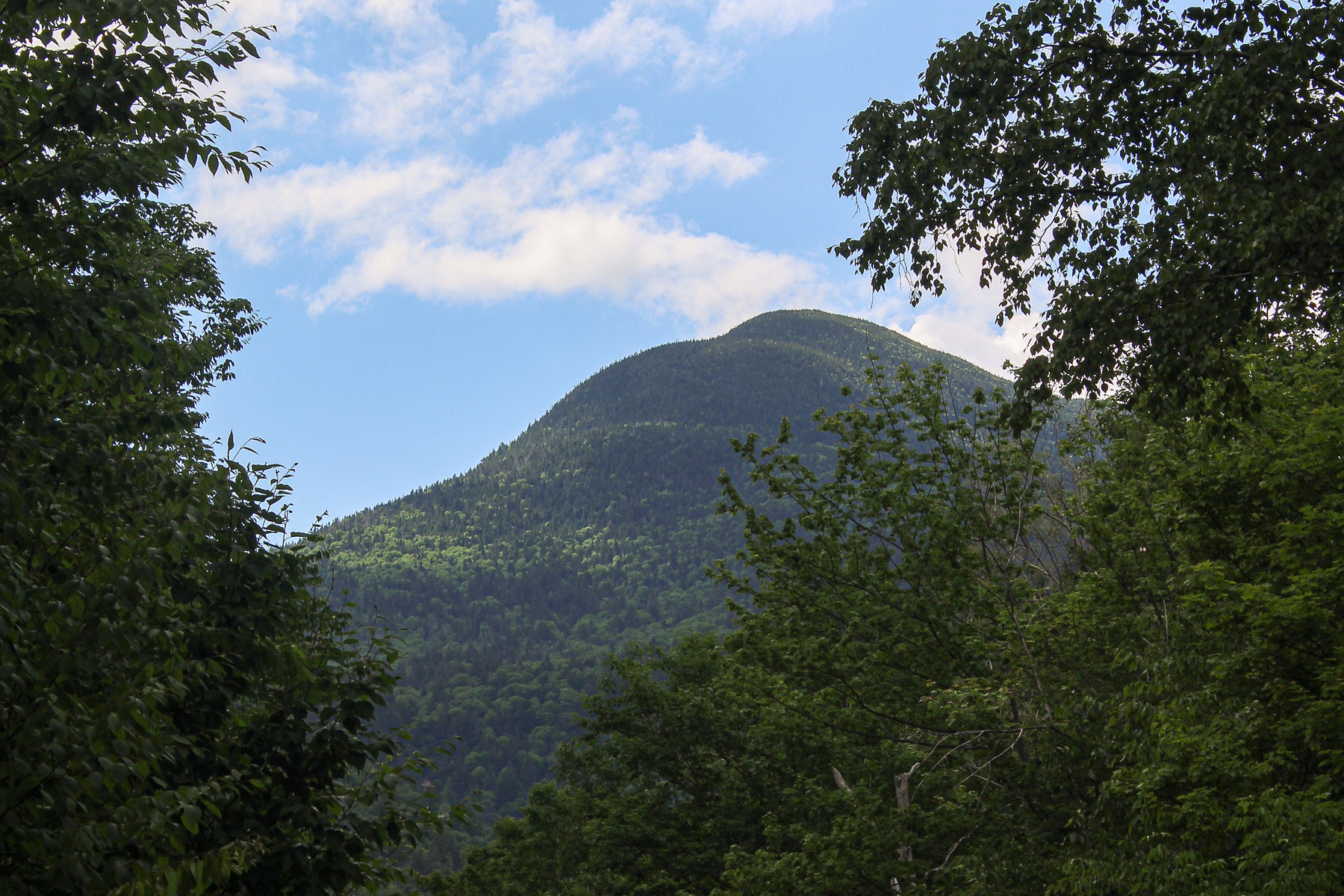
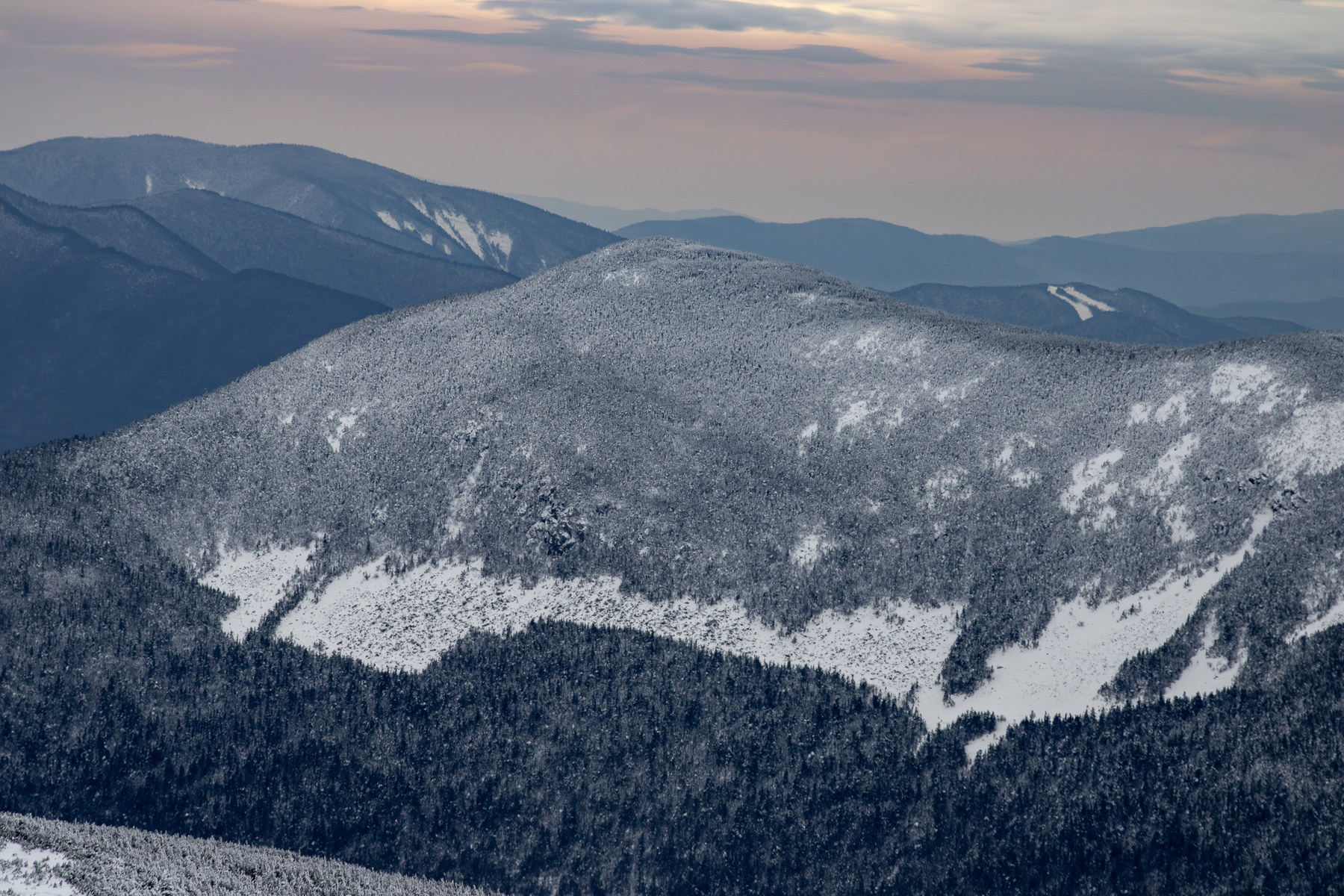
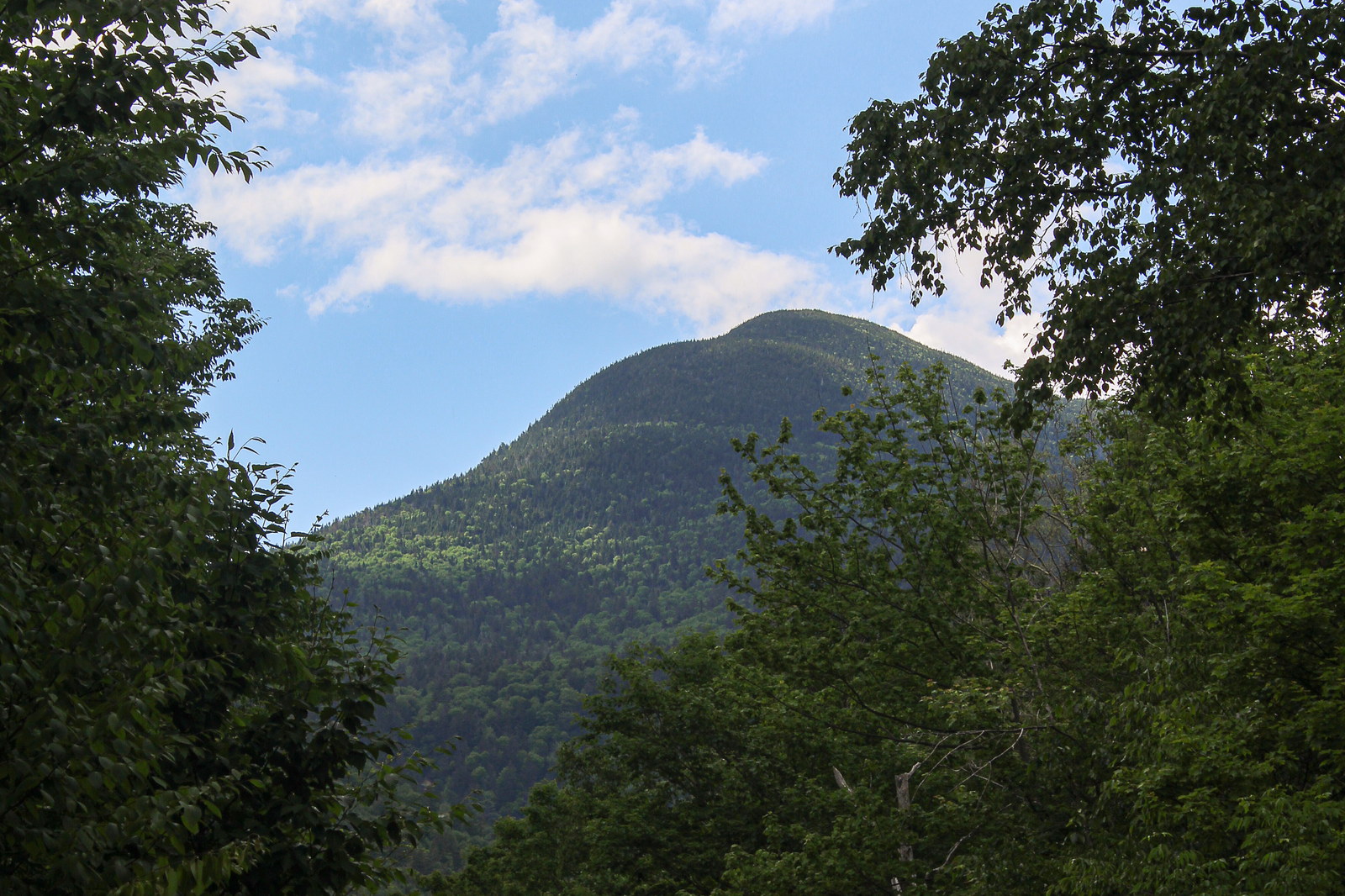
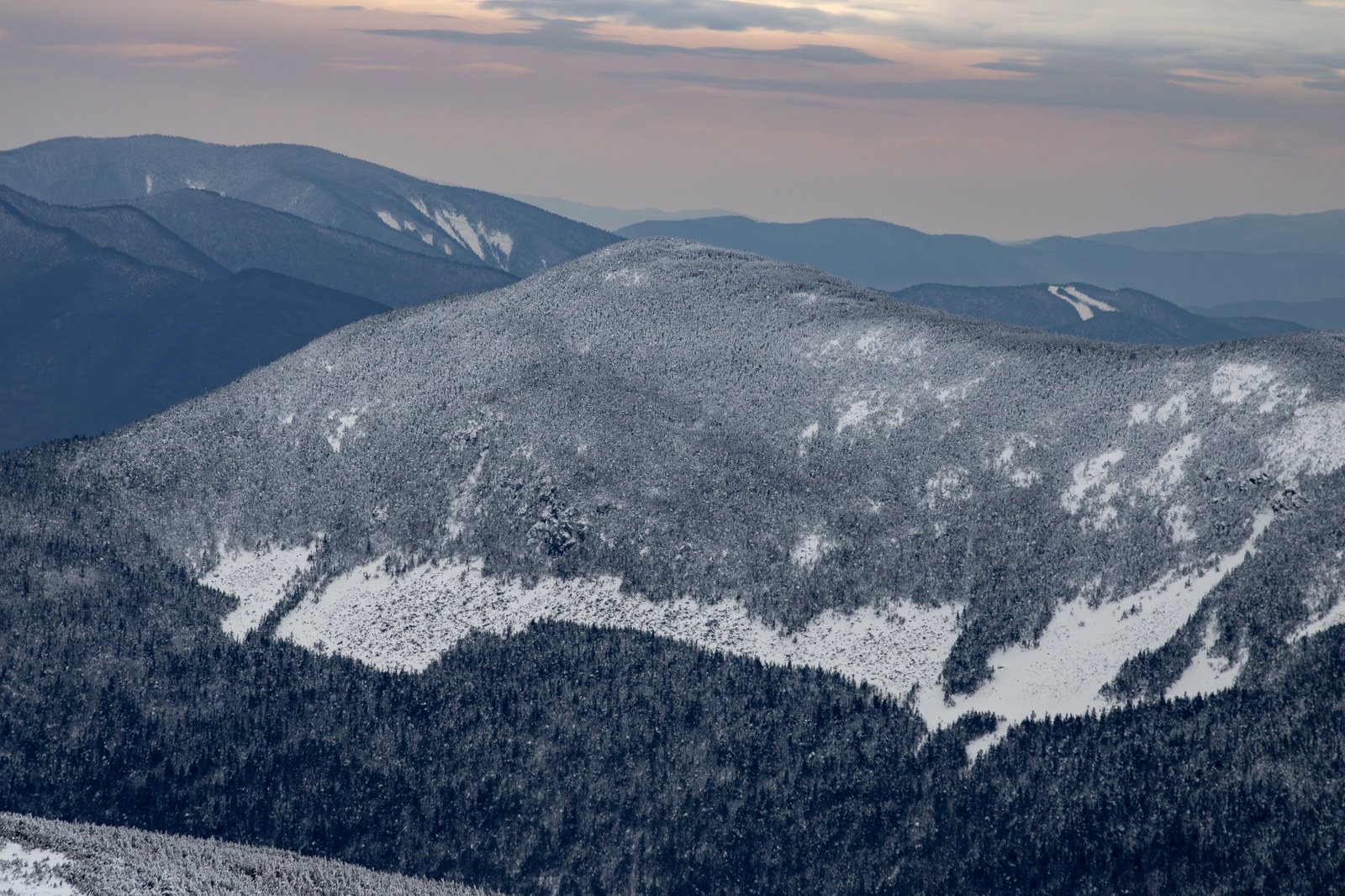
Mount Willey is a 4,285-foot mountain in the Willey Range of the White Mountains, situated in Grafton County, New Hampshire. The mountain is named after Samuel Willey, Jr., whose family tragically died in a landslide in Crawford Notch in 1826. Mount Willey is often hiked in conjunction with Mount Field and Mount Tom. The summit of Mount Willey is mostly wooded, with limited views, but a ledge near the summit offers a dramatic view down into Crawford Notch. The steep western face of Mount Willey drops into the notch and is part of the scenic backdrop seen from the area of the Willey House historic site. Mount Willey is a peak steeped in White Mountain folklore. It is named after Samuel Willey, Jr. and his family, who met tragedy in August 1826 when a massive landslide swept down Mount Willey in Crawford Notch, killing them. The Willeys had fled their house (situated at the notch’s base) during a violent storm, seeking refuge, but were overtaken by the slide. Ironically, the house itself was spared – a large rocky island split the slide – but the family perished. This event received widespread publicity (even noted by Henry Thoreau later) and ushered in the era of tourism in the White Mountains. The mountain was subsequently named for the Willeys, immortalizing their story. In the mid-19th century, a small inn and later the Willey House site became a tourist attraction, with visitors coming to see the site of the tragedy. Trail-building on Mount Willey followed: by the 1850s, the notch’s proprietors had blazed a path partway up. The Willey Range Trail as we know it was largely completed by the AMC in the 1930s. The summit of Mount Willey is mostly wooded, but a short side spur leads to a dramatic cliff viewpoint. That cliff plunges directly into Crawford Notch, giving a heart-stopping view down to the site of the Willey House (now a picnic area/museum). One can imagine the slide of 1826 roaring down those slopes. Mount Willey is often hiked in conjunction with Mount Field and Mount Tom, forming a loop from the historic Crawford Depot. Fittingly, this loop traces routes that 19th-century visitors (including artists like Thomas Cole) traveled on foot or horseback as they paid homage to the legend of the Willey Family and the sublime power of White Mountain nature.