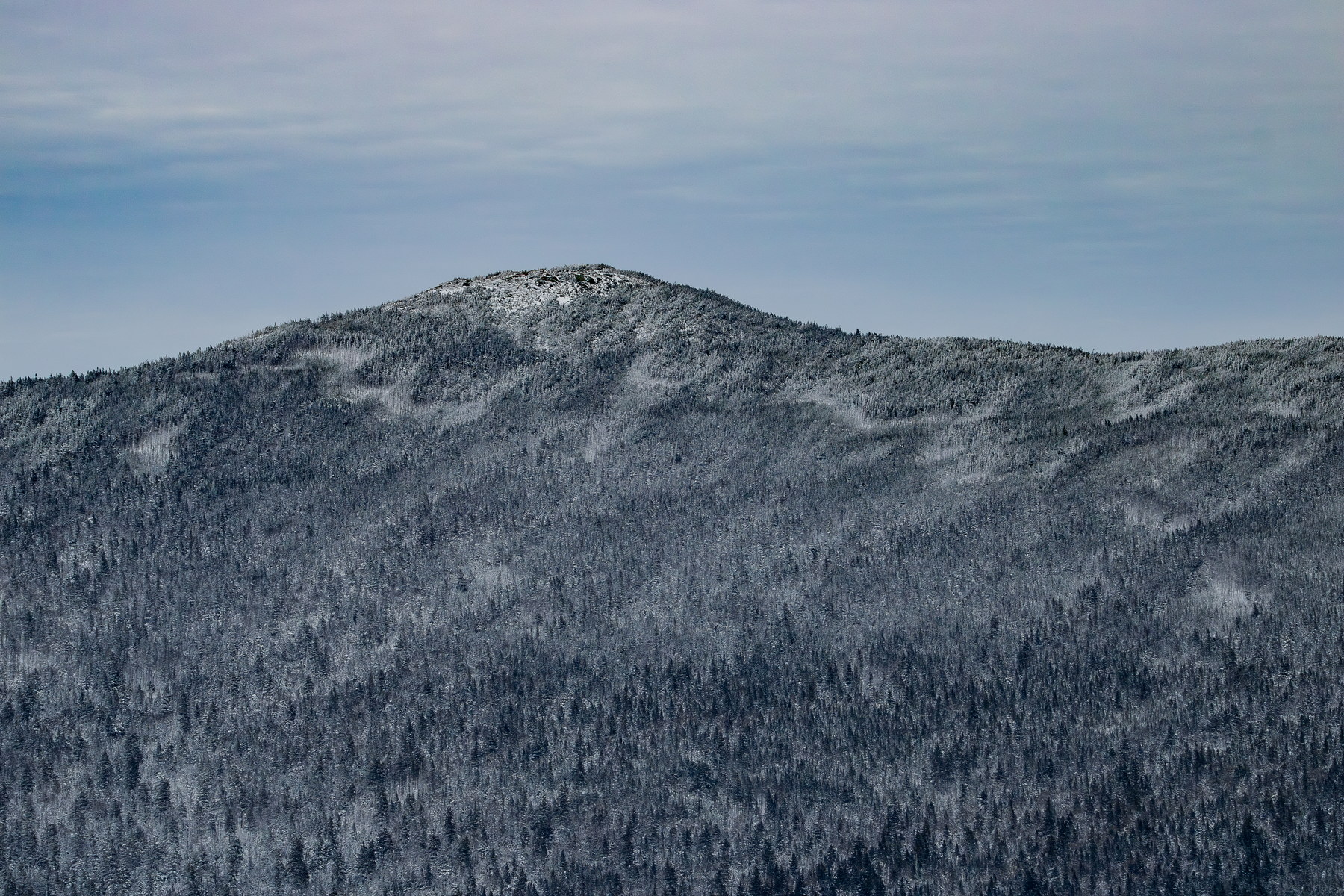
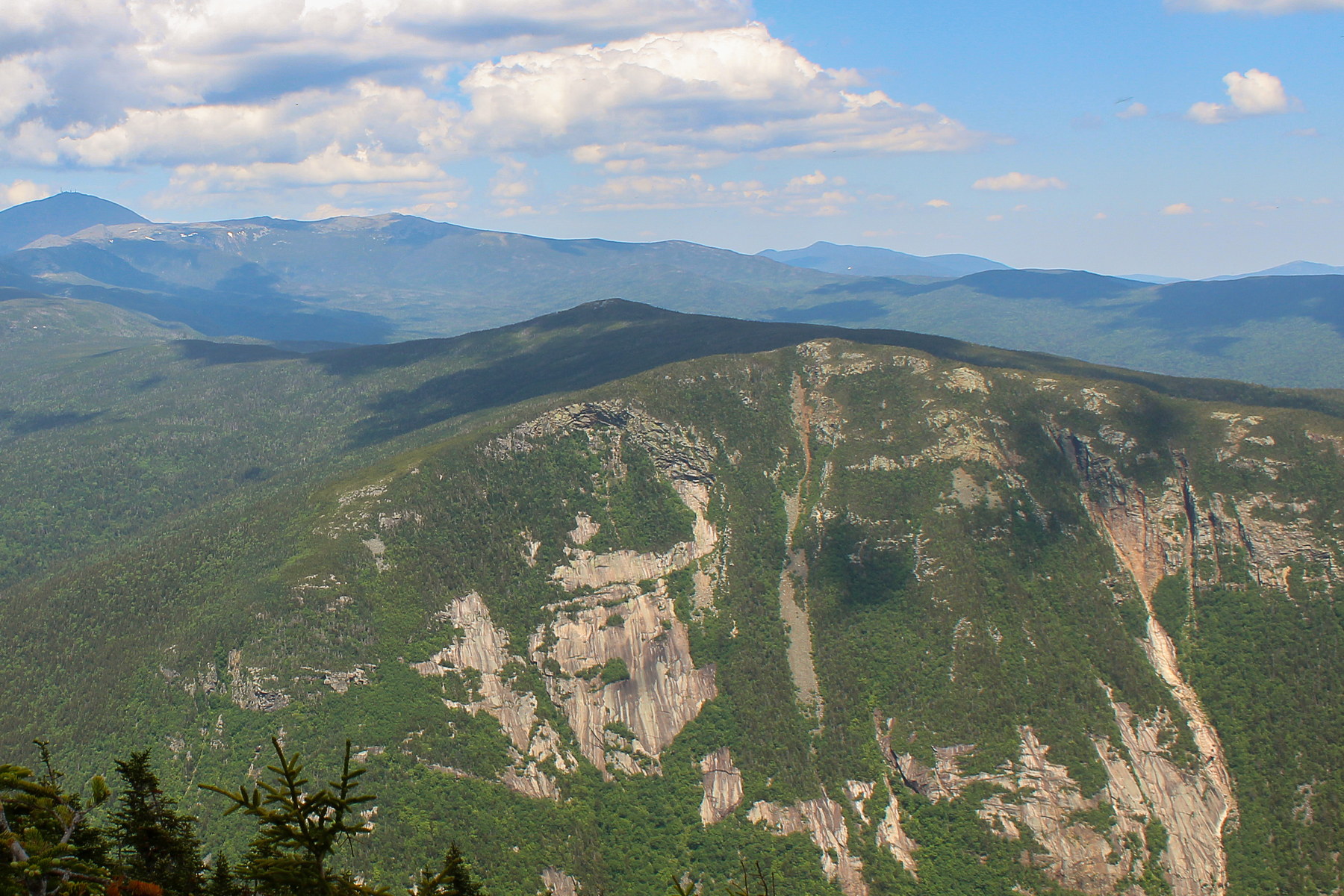
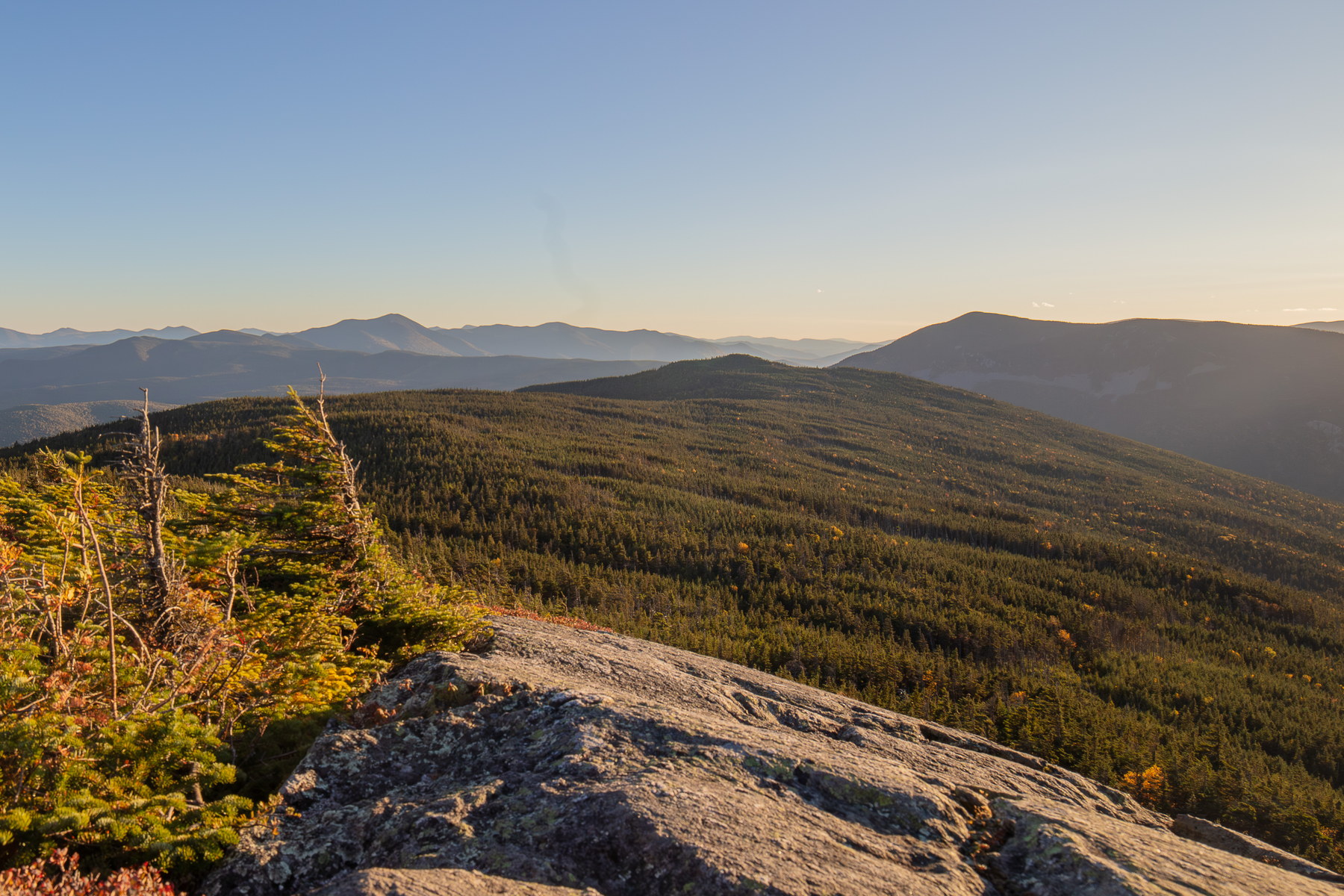
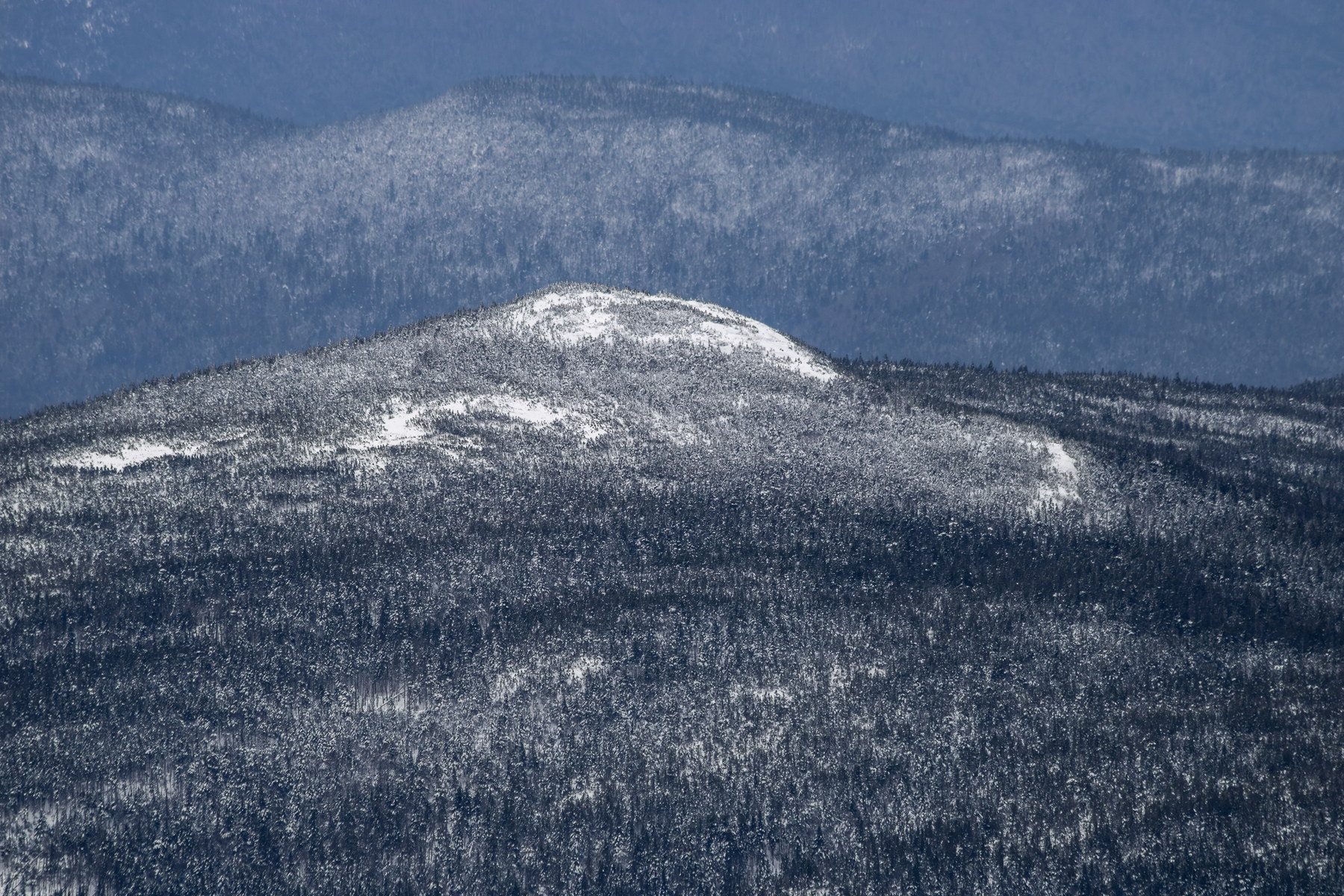
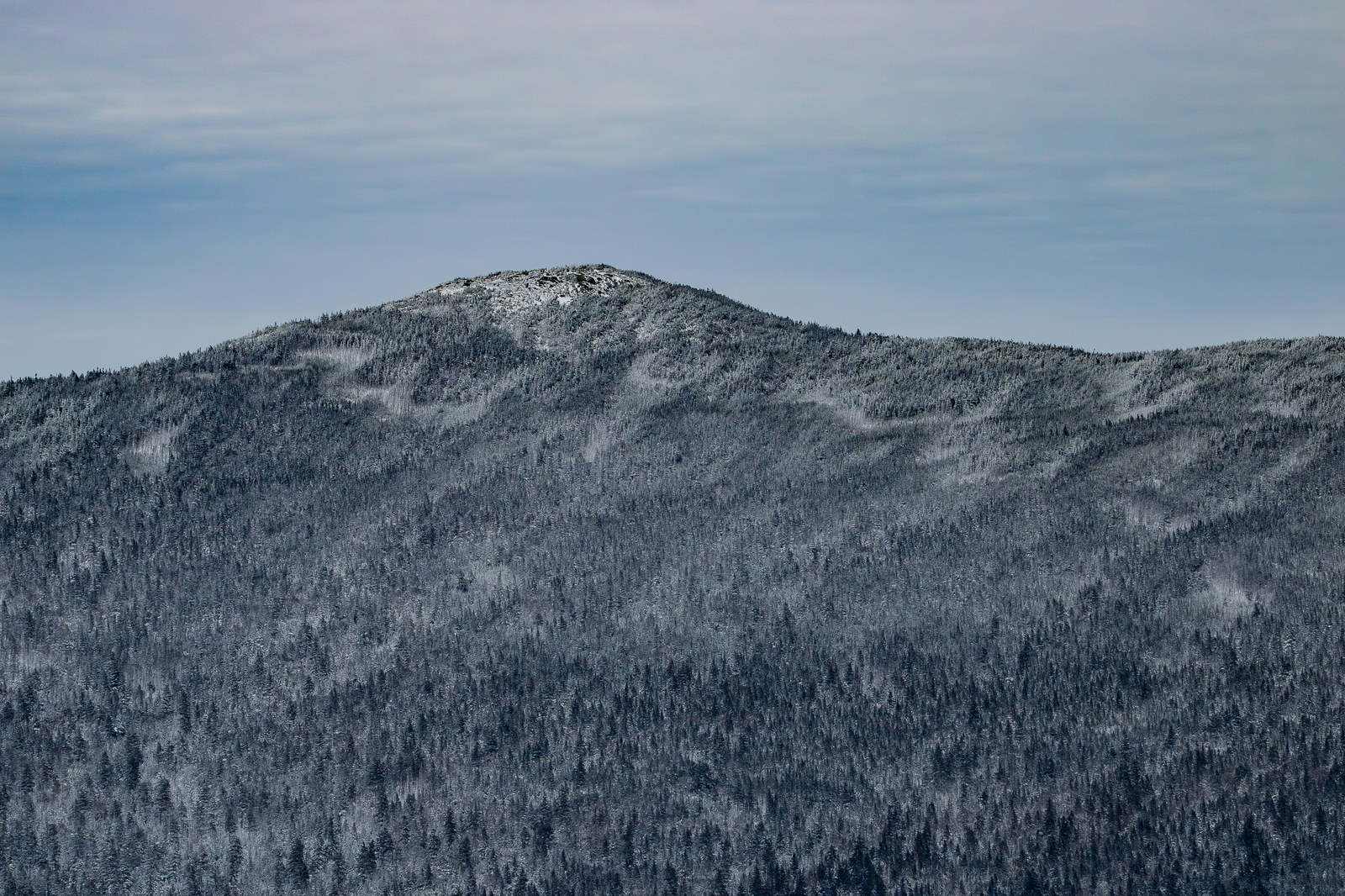
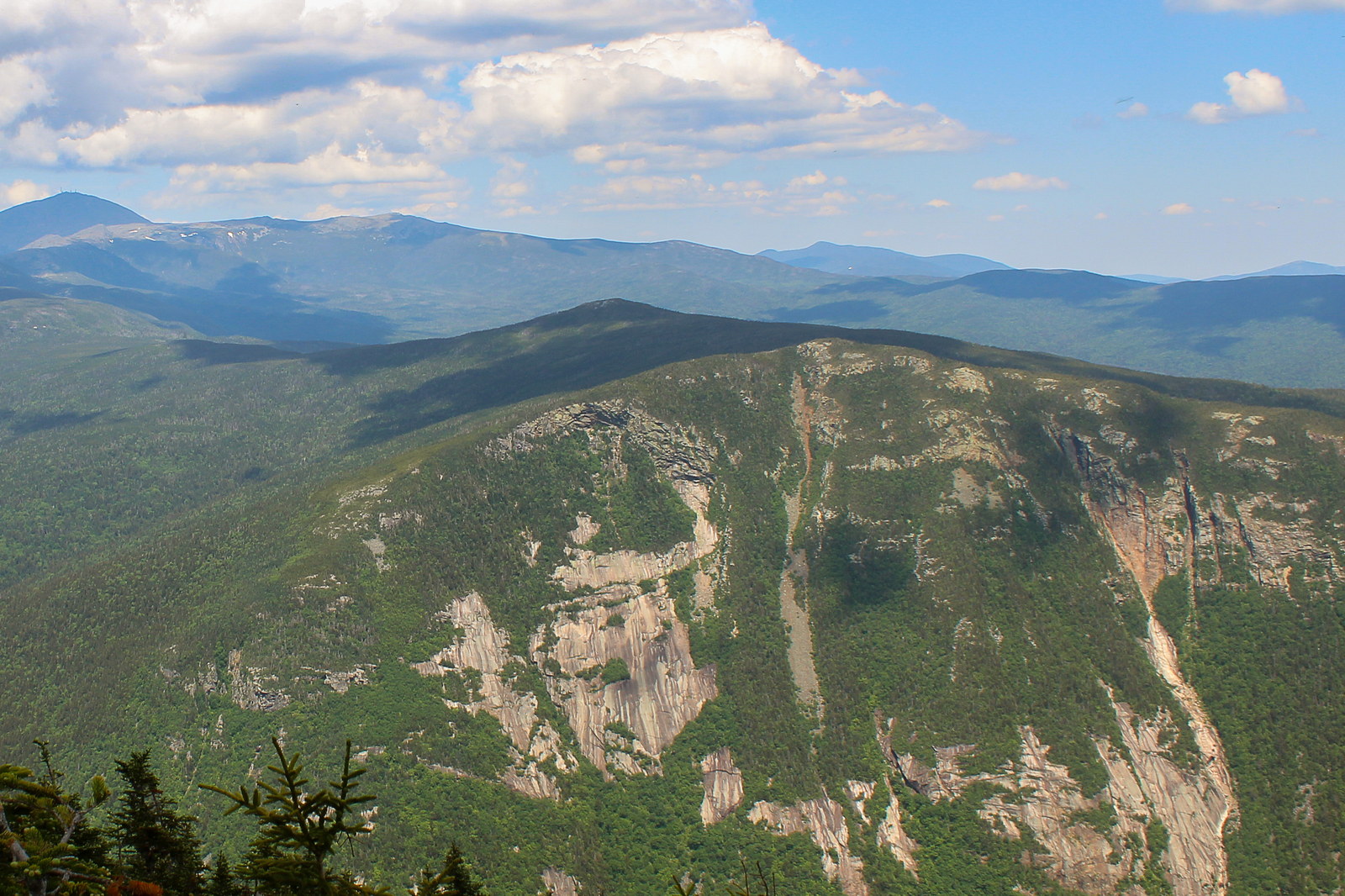
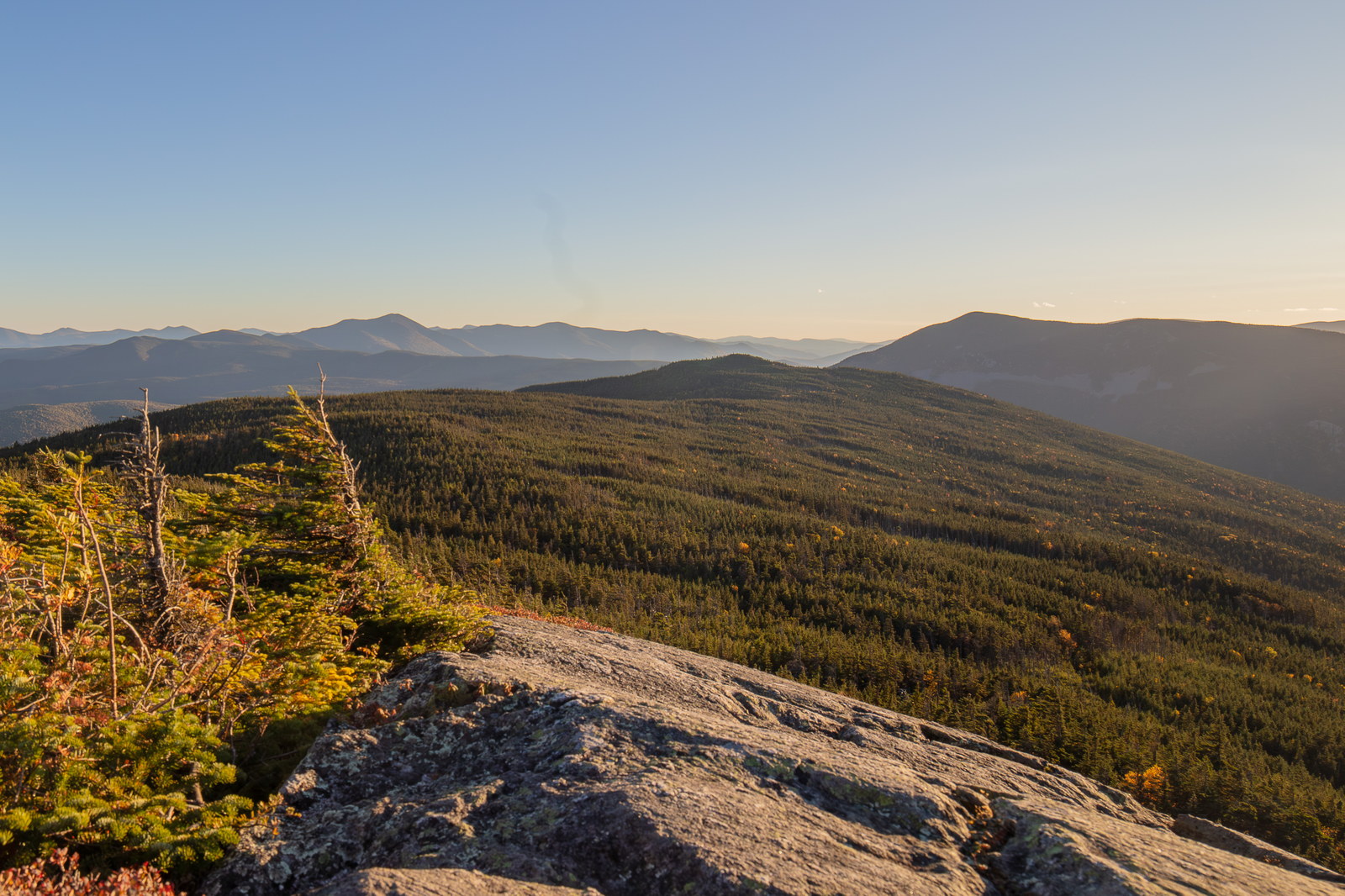
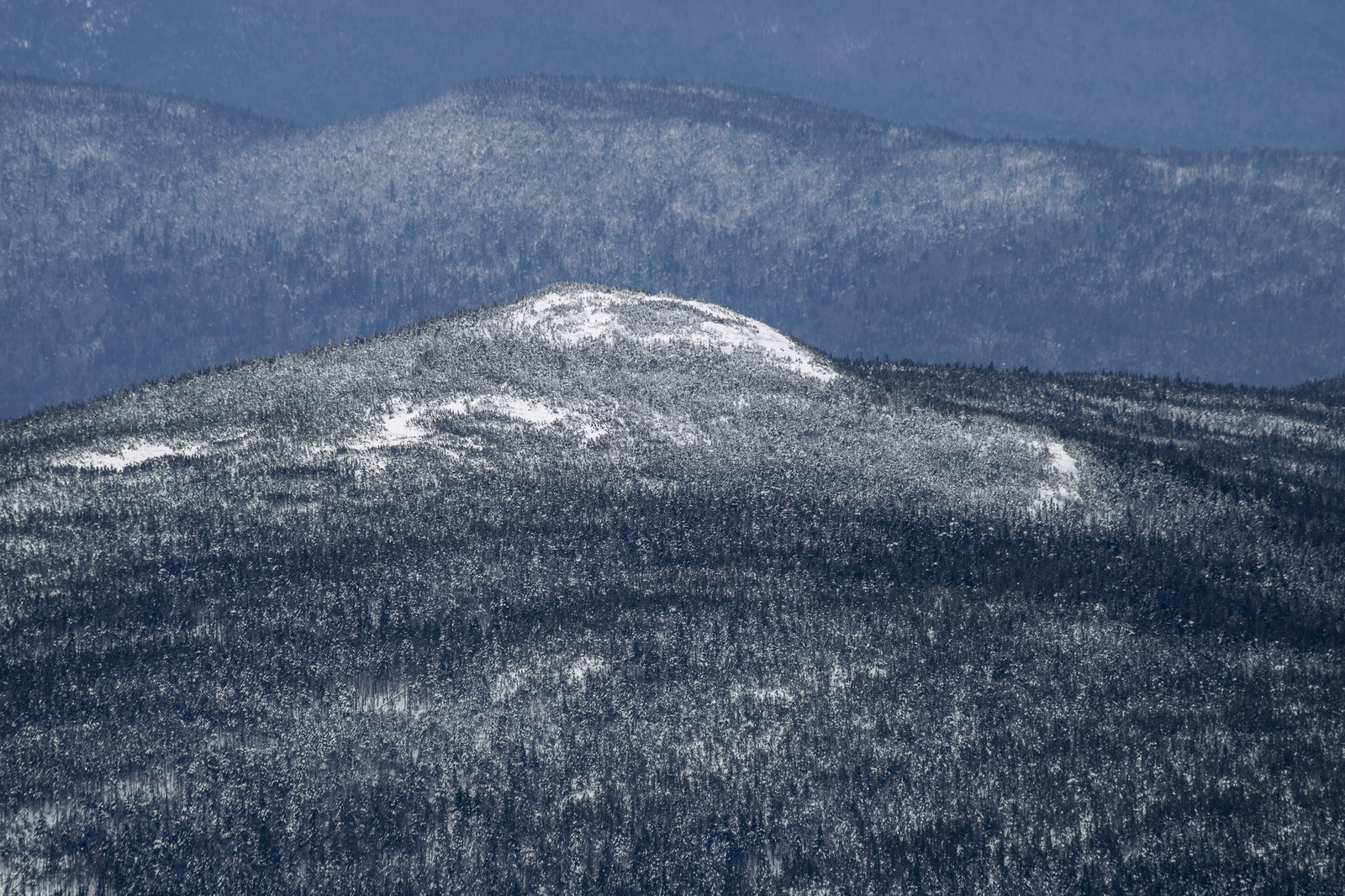
Mount Jackson is a mountain in Coös County, New Hampshire. The mountain is named after Charles Thomas Jackson, a 19th-century state geologist, and is part of the Presidential Range of the White Mountains. Mount Jackson has an elevation of 4,052 feet and is located at the southern end of the Presidentials. It is flanked to the north by Mount Pierce and to the southwest by Mount Webster. The summit of Mount Jackson is open and ledgy, offering nice views, especially of the southern Presidential Range and Crawford Notch. The Appalachian Trail crosses its summit as it traverses between Crawford Notch and the higher Presidentials. Mount Jackson is a mountain at the southern end of the Presidential Range, and despite its presidential-sounding name, it is not named after President Andrew Jackson. It actually honors Charles Thomas Jackson, a 19th-century geologist and surveyor. Charles T. Jackson was the New Hampshire State Geologist (he published a comprehensive report on NH’s geology in 1844) and also did surveys of Maine and Rhode Island. The peak received his name in recognition of his scientific contributions to the region. Mount Jackson’s summit is open and ledgy, with excellent views of the higher Presidentials to the north and Crawford Notch to the south. Historically, the Crawford family (whose lands encompassed this area) guided tourists up Jackson as early as the 1850s. Back then, it was sometimes called “Hart’s Ledge” or “Tin Mine Mountain” (there were early 19th-century tin mining explorations on its slopes). The official naming for Jackson happened in the 1850s when Arnold Guyot and others standardized the Presidential Range’s monikers (some sources indicate it was named by Edward Tuckerman around 1853 for the geologist Jackson). An interesting historical anecdote: in 1858, Henry David Thoreau climbed Mount Jackson (he referred to it as “Mount Pleasant” erroneously in his journal) and described the stunning view of Mount Washington’s snowy summit. In terms of trails, the Webster-Jackson Trail was built in 1849, making it among the oldest recreational trails in the Whites. During the late 1800s, the summit of Jackson even featured a small wooden observation platform, built by AMC members to aid in identifying peaks – long gone now. Mount Jackson is also crossed by the Appalachian Trail, and during the AT’s establishment in the 1930s, CCC crews improved the trails over Jackson. Today, thousands of AT thru-hikers and day-hikers alike stand on Mount Jackson’s breezy summit, perhaps unaware of Dr. Charles Jackson’s legacy but certainly appreciative of the mountain that bears his name and offers such a splendid panorama.