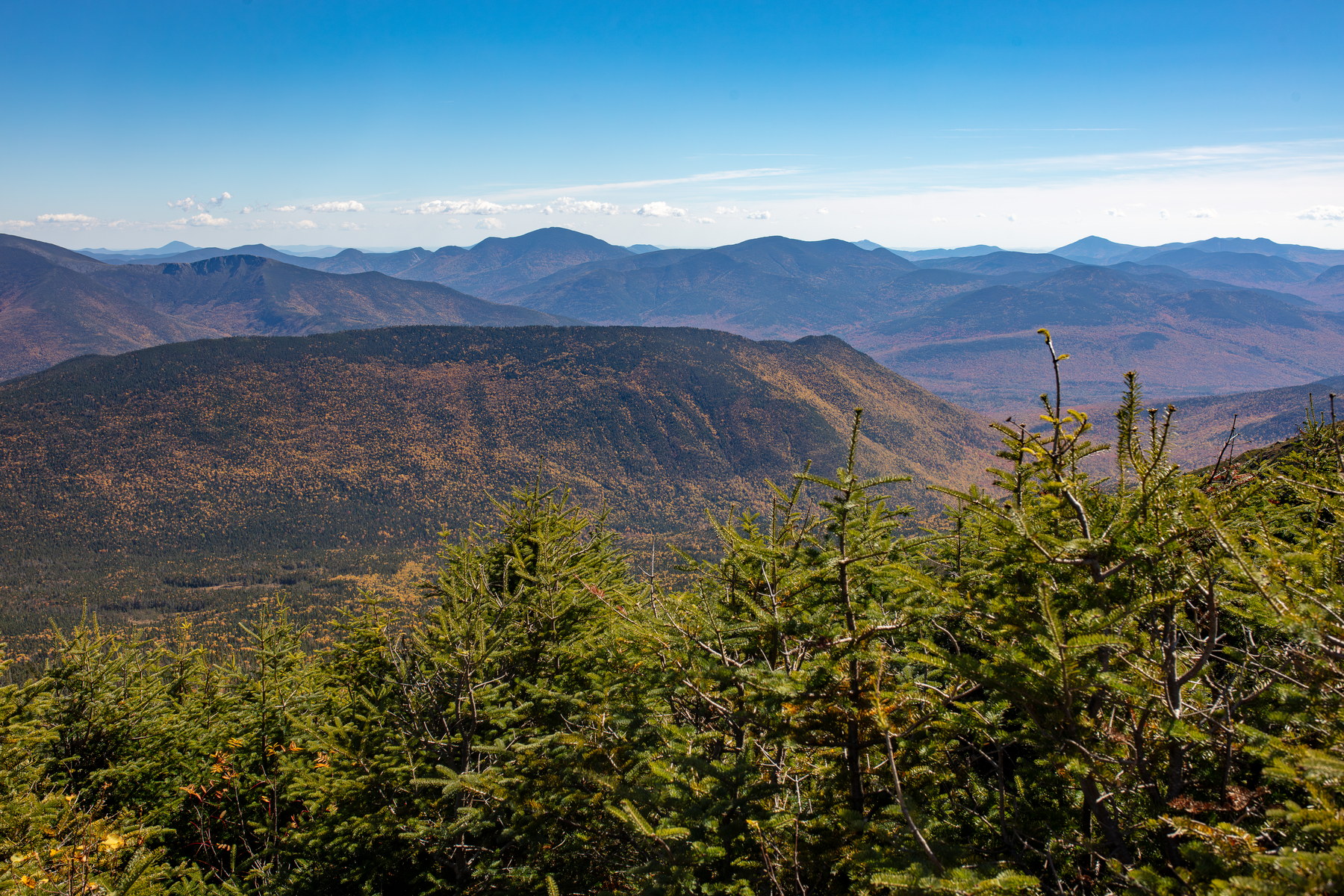
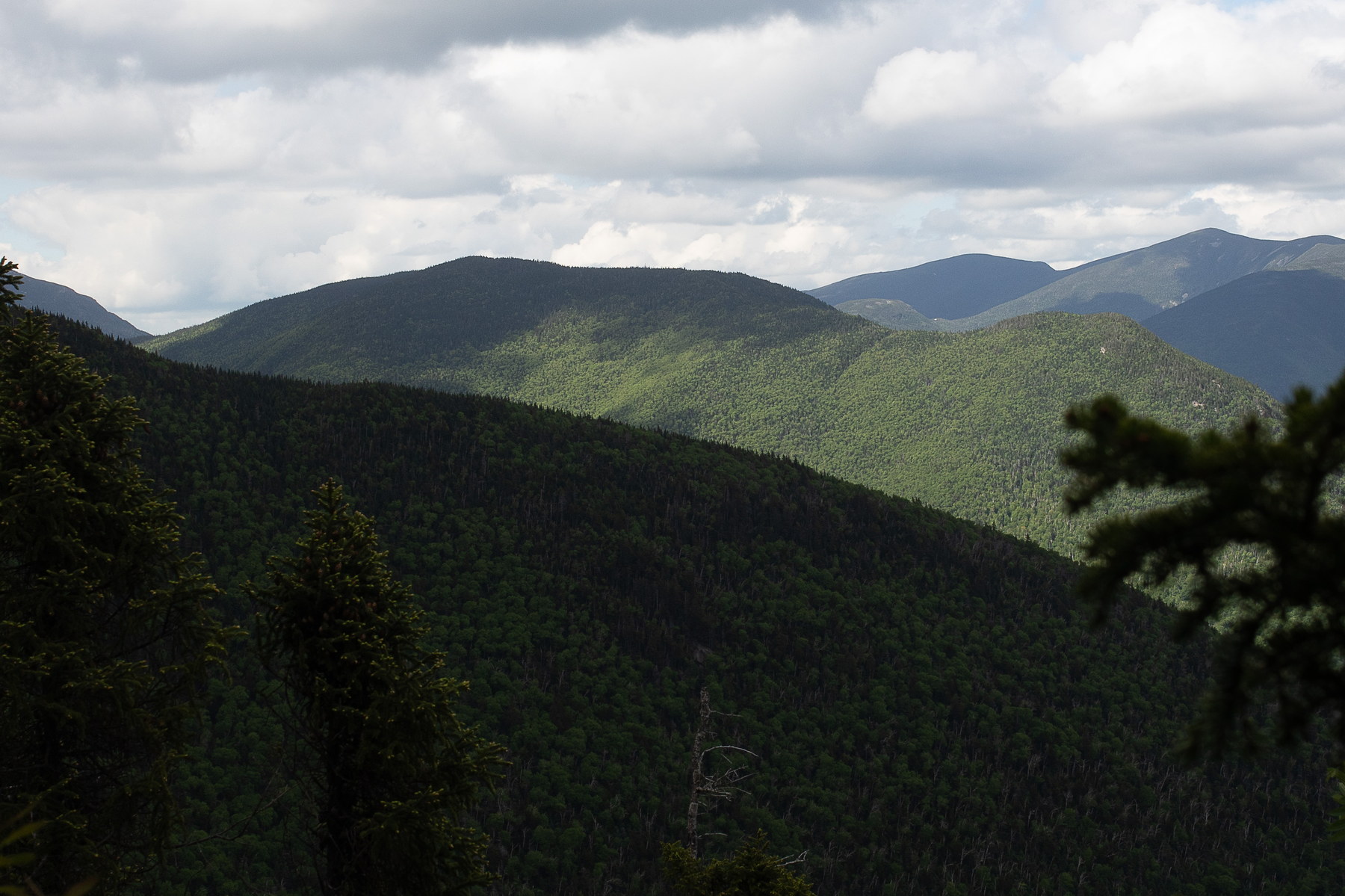
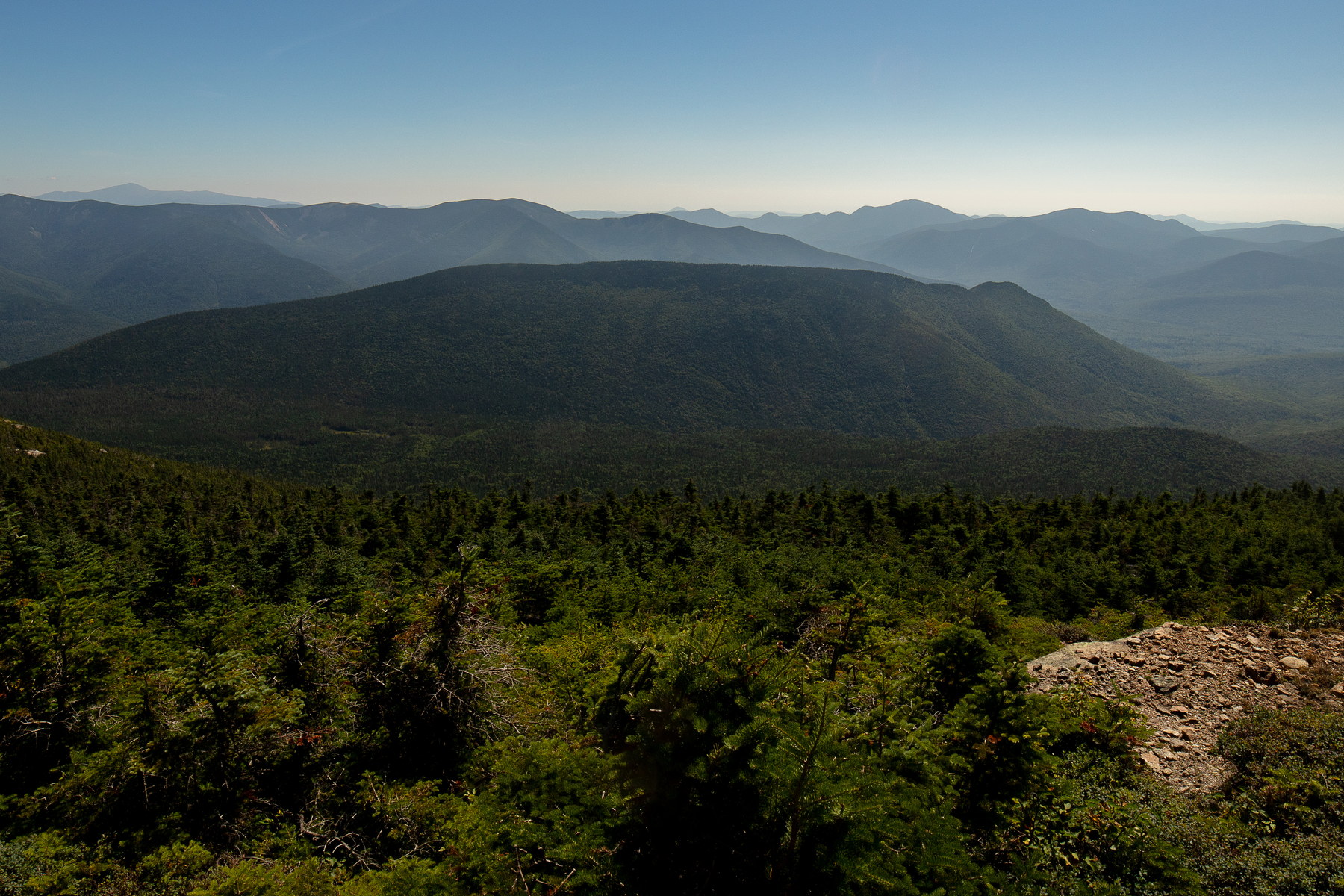
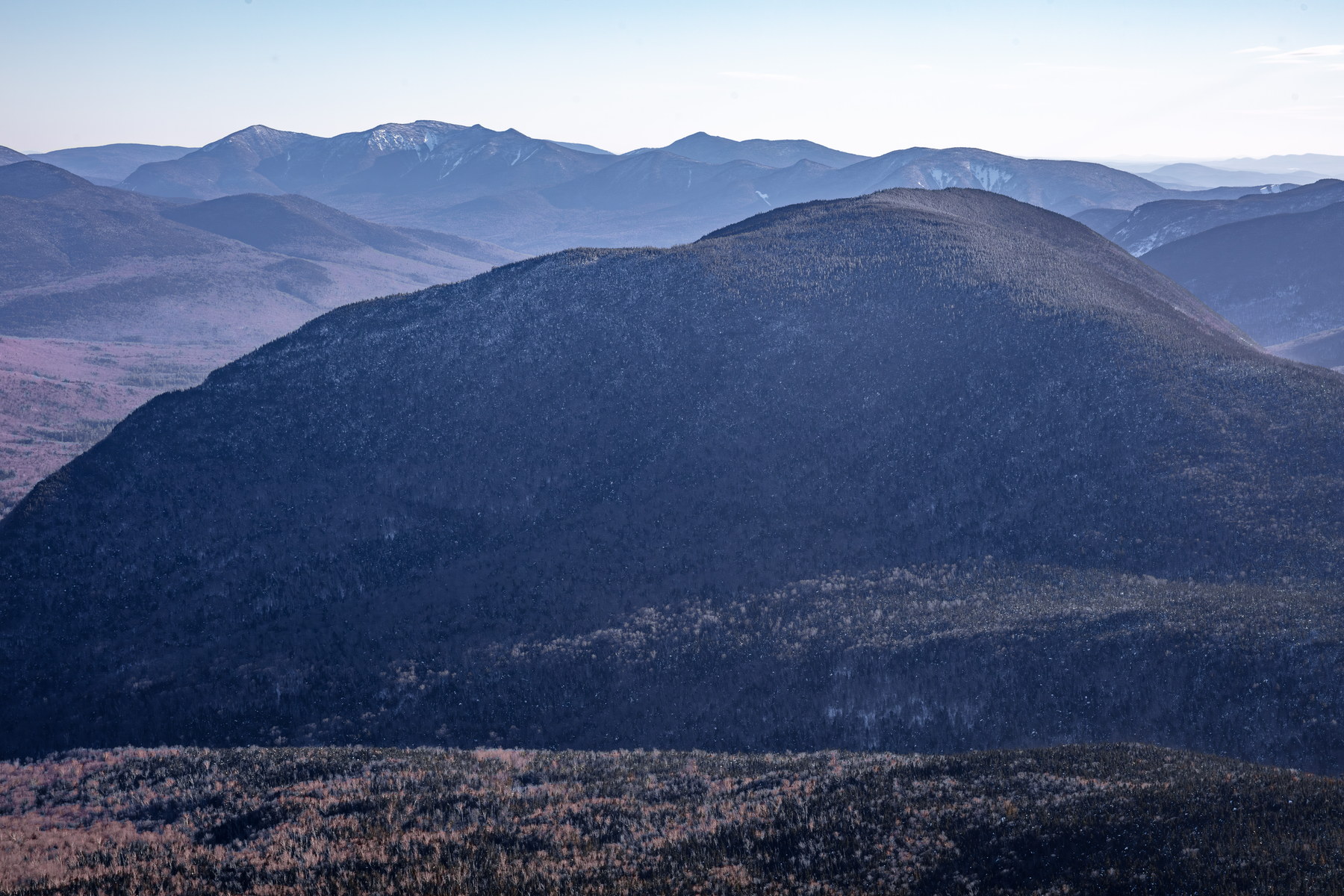
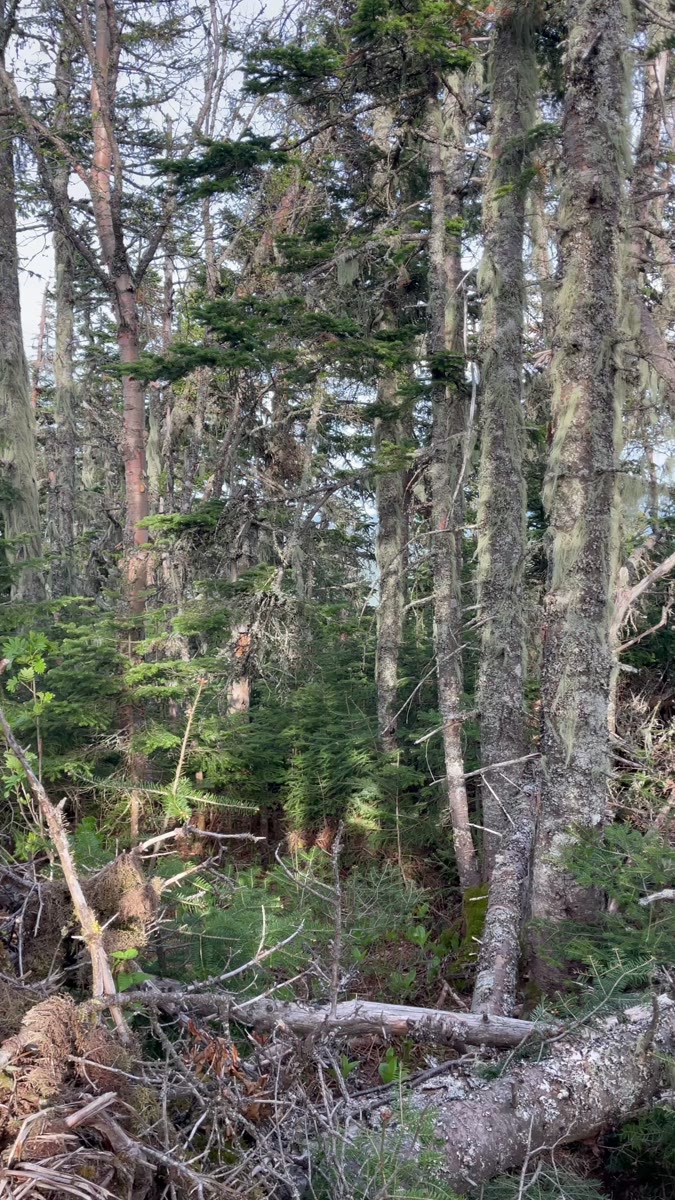
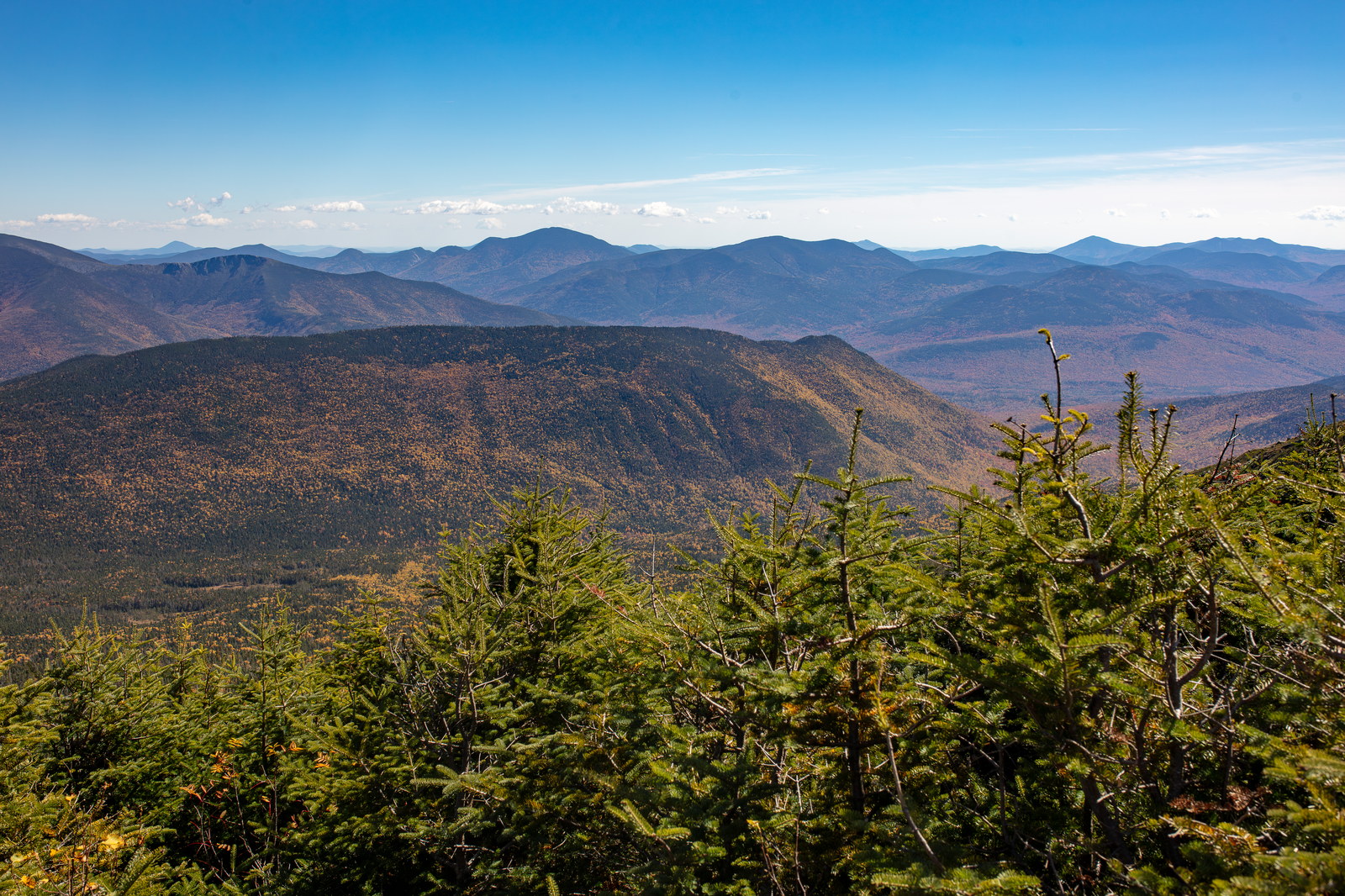
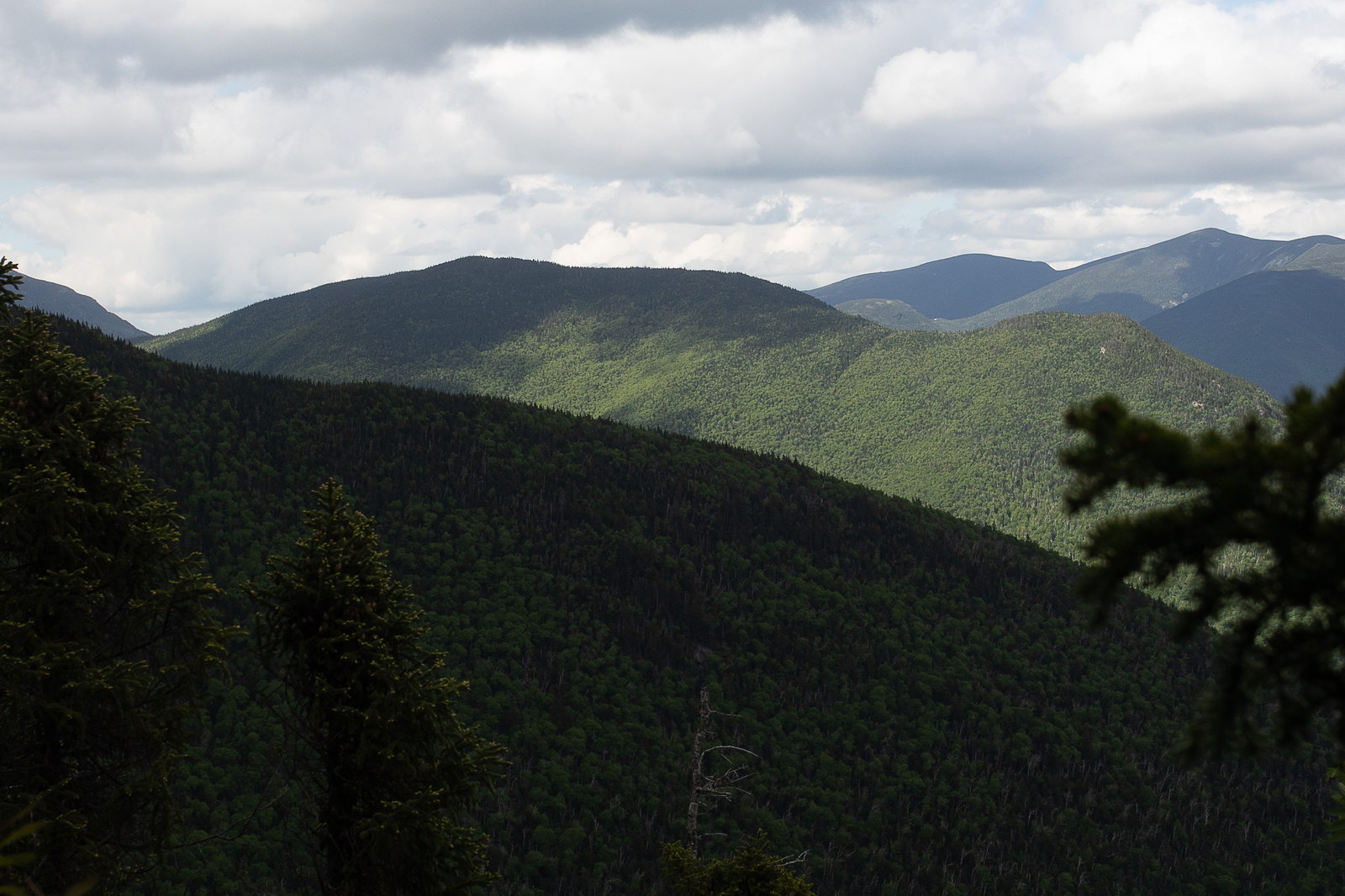
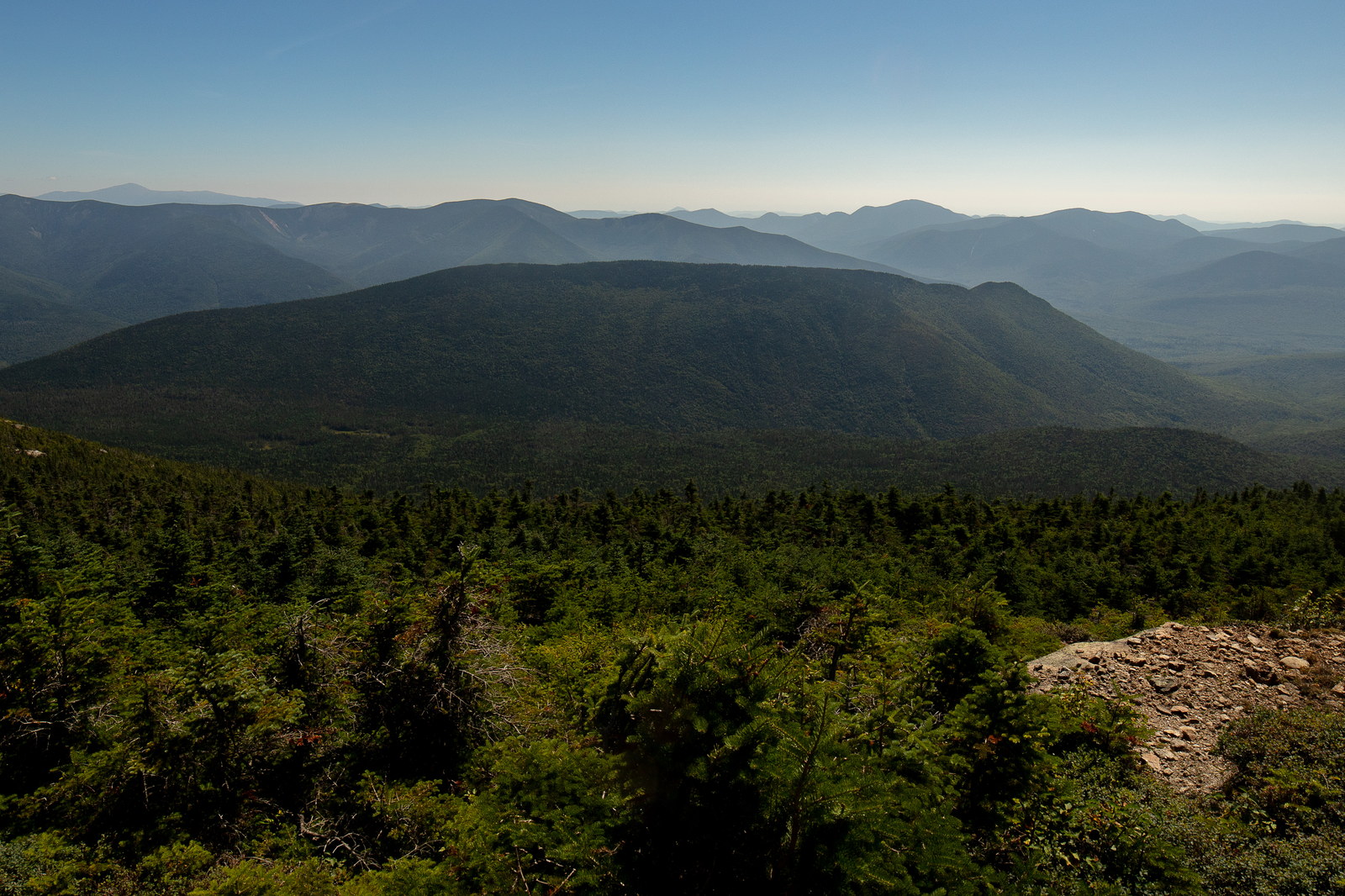
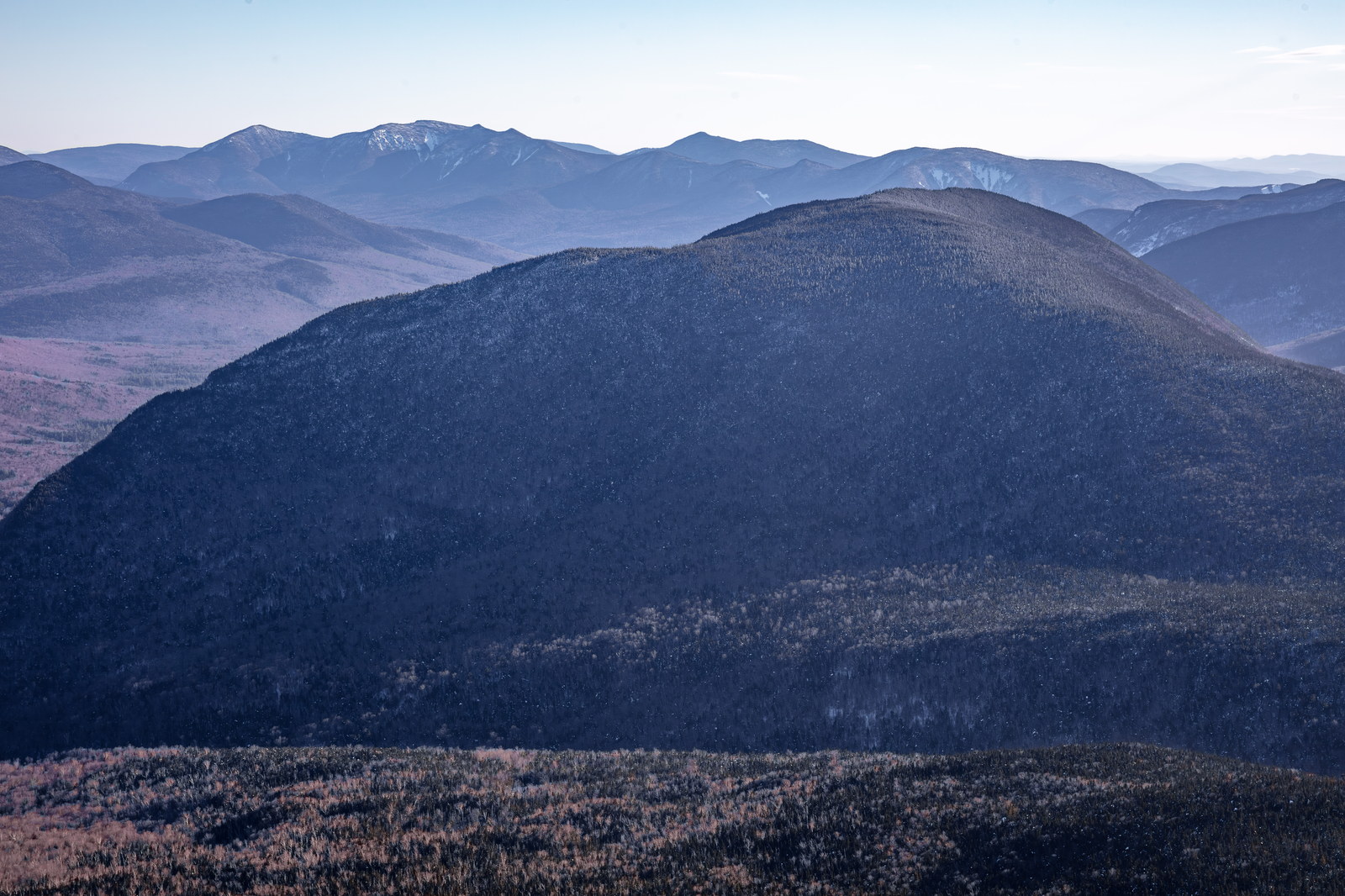
Owl’s Head is a 4,025-foot mountain deep in the Pemigewasset Wilderness of the White Mountains, in Grafton County, New Hampshire. It is one of the more remote and challenging peaks on the NH 4,000-footers list to reach, as there is no official trail all the way to the summit (hikers follow unofficial herd paths up a steep slide and through dense woods). The mountain is named for a distinctive rock outcropping on its western side that is said to resemble the profile of an owl’s head. Owl’s Head’s summit is wooded and viewless, but along the ascent of the Owl’s Head slide there are impressive views of the surrounding peaks, including Franconia Ridge to the west and the Bonds to the east. This peak’s isolation and difficult access make it an infamous checkmark for peak-baggers. Owl’s Head is a remote mountain deep in the Pemigewasset Wilderness, notorious among hikers for its long, trailless approach and viewless summit. The mountain earned its name from a rock formation on its western side that, when viewed from across the valley (particularly from Franconia Ridge or near the Lincoln Brook Trail), resembles the profile of an owl’s head – complete with “eye” and “beak” features. This distinctive cliff profile was noted by surveyors as early as the 1800s and the name “Owl’s Head” was in use by the time the 1853 state map was published. Historically, the Owl’s Head area was untouched wilderness until the late 19th century, when J.E. Henry’s logging operations pushed into the heart of the Pemi. Around 1894, the Lincoln Lumber Company built the Lincoln Brook Railroad spur, which ran right along the base of Owl’s Head (traces of it coincide with today’s Lincoln Brook Trail). Loggers clear-cut vast stands of spruce and fir around the mountain between 1894 and 1896. On August 1907, a fierce lightning-sparked wildfire roared through the previously logged slash on Owl’s Head’s east side. The fire, fed by debris left by Henry’s crews, burned thousands of acres and was one of several catastrophic fires that year. It was a stark example of the destruction that helped prompt the creation of the National Forest in 1911. After logging ceased, no trails were built to the summit for decades. Owl’s Head was somewhat forgotten until the peak-bagging movement after WWII. In the 1950s, when the AMC drew up the official 4,000-footer list, they included Owl’s Head – and adventurers started bushwhacking to the top. A makeshift herd path developed along the Owl’s Head Slide, the scar of a long-ago landslide on the west side that provides the only semblance of a view on the way up. For many years, there was a debate about the exact location of the high point (and indeed, around 2005, surveyors confirmed the true summit is a bit north of where the old cairn was, causing hundreds of “grid” hikers to re-climb it). Now a small cairn marks the true summit in the woods. There are no signs (consistent with wilderness regulations). Climbing Owl’s Head today, one encounters no man-made structures – just a rough footway and perhaps the ghosts of logging locomotives and fire patrols in the valleys below. It exemplifies wilderness restoration: once ravaged and burnt, now again a green, trackless mountain where an owl (or a hiker seeking solitude) might find a quiet home.