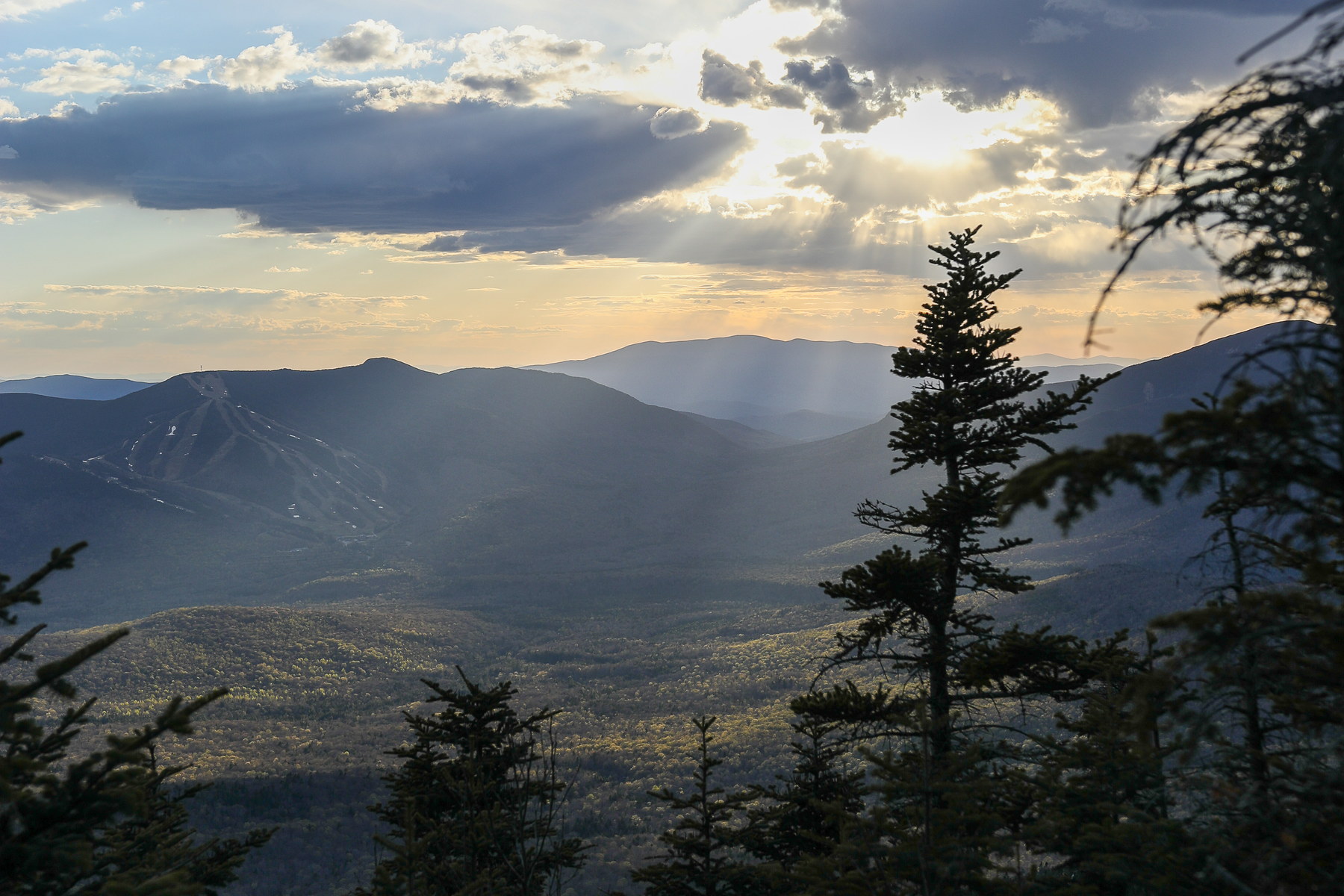
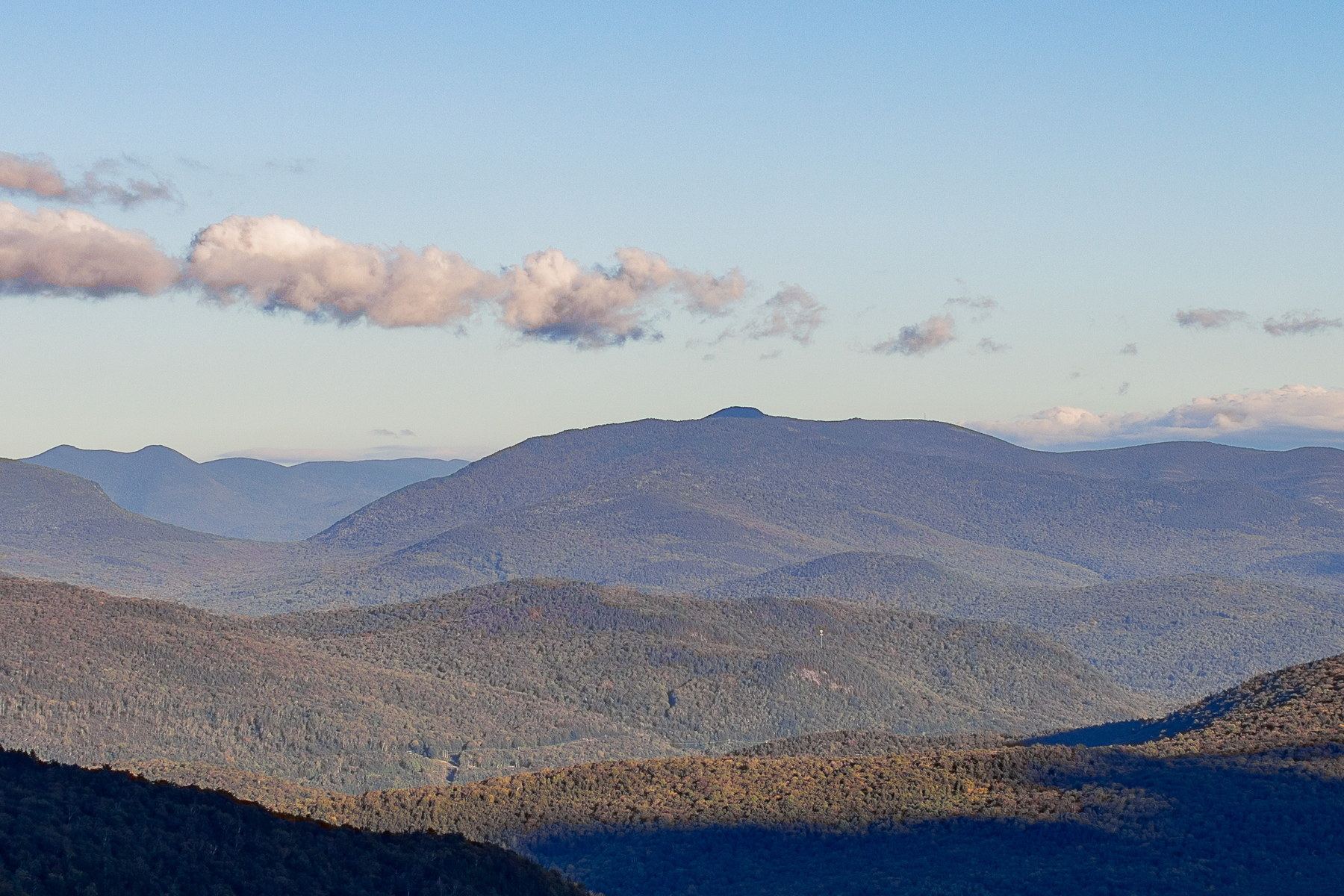
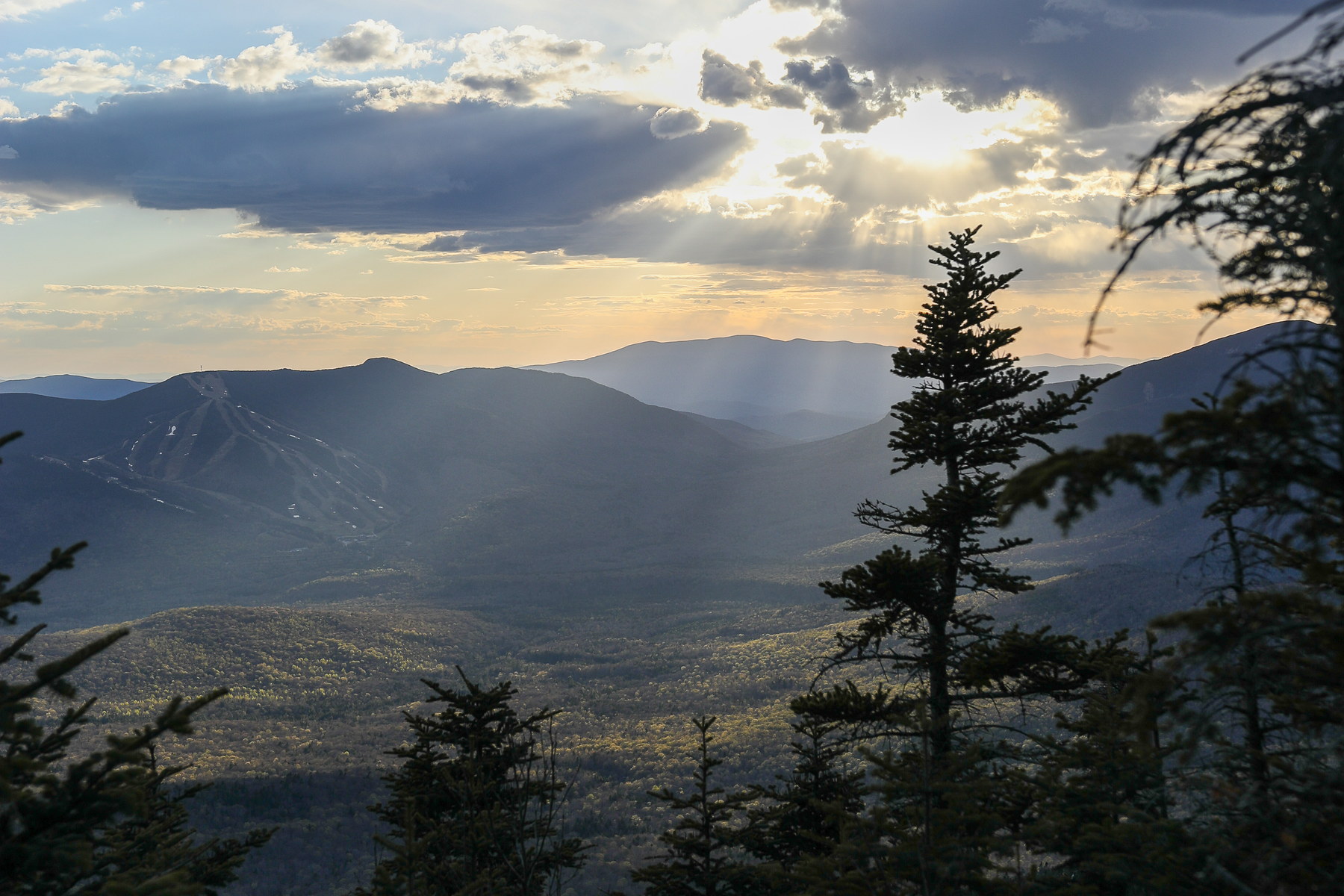
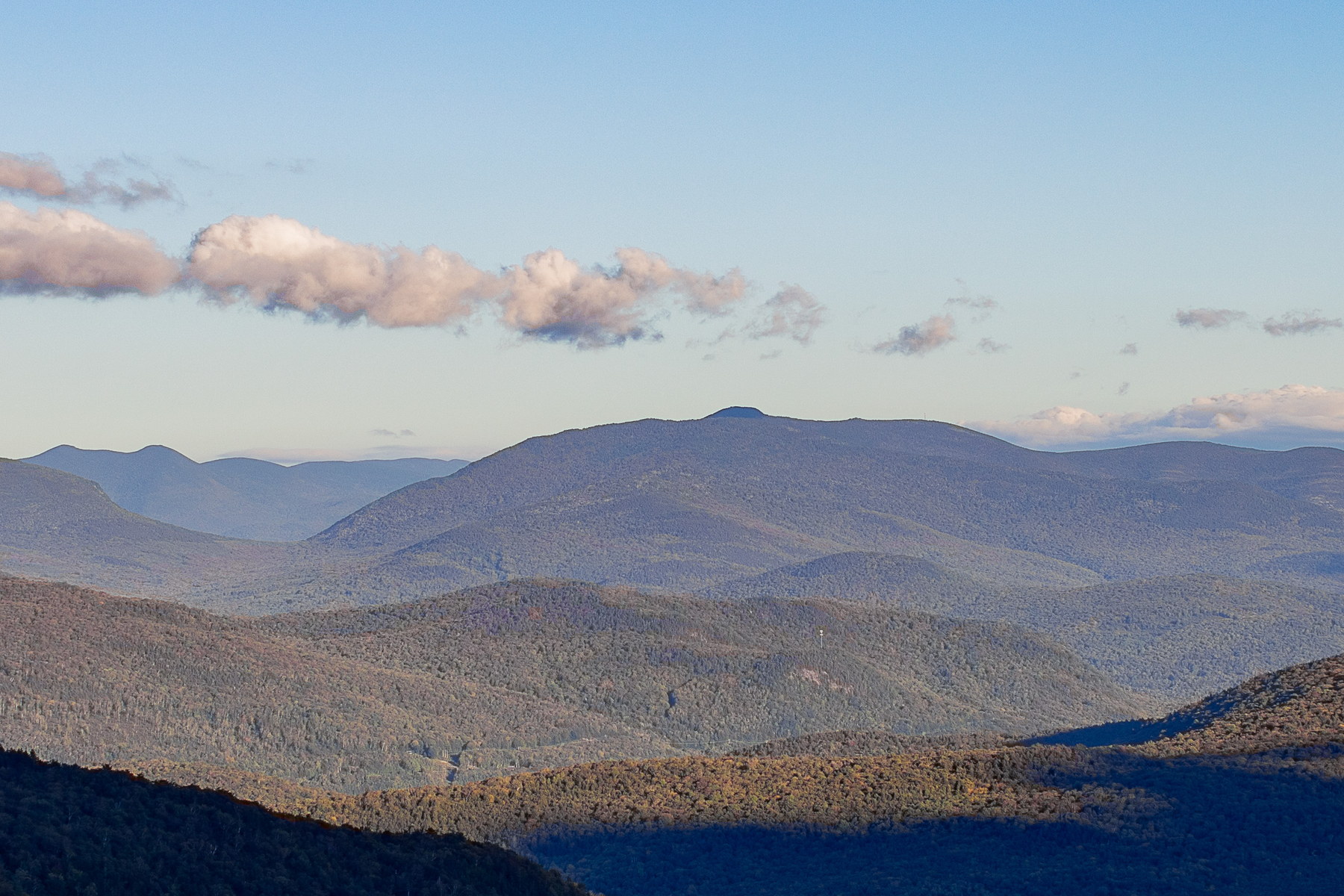
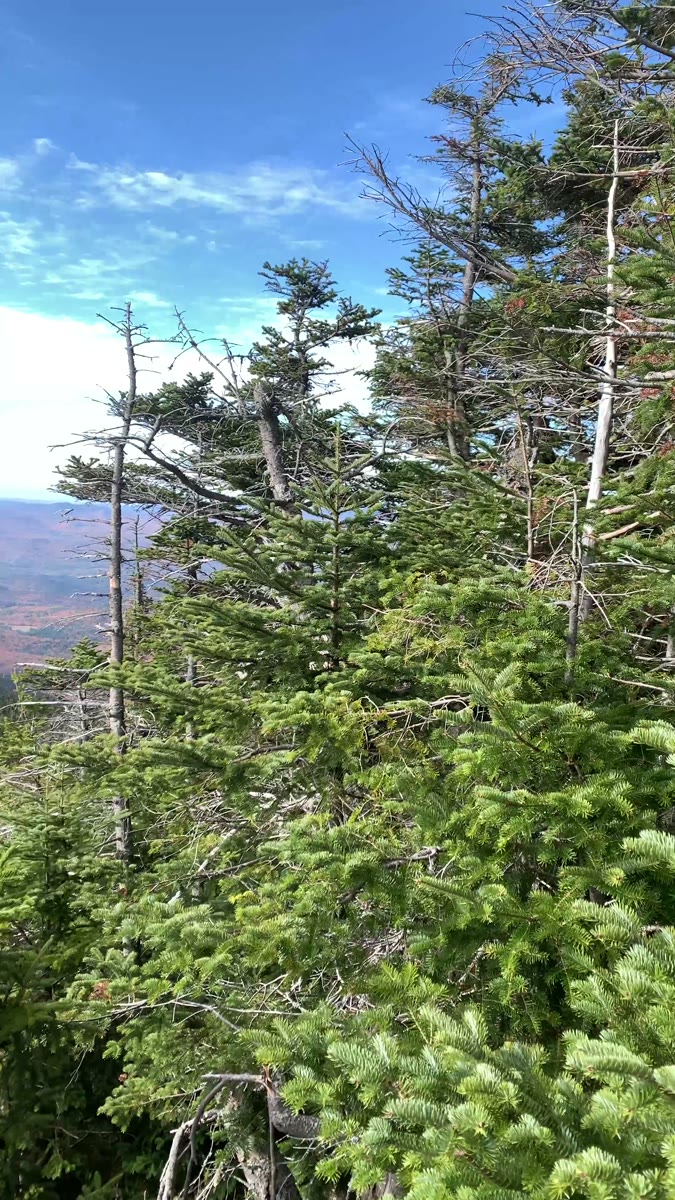
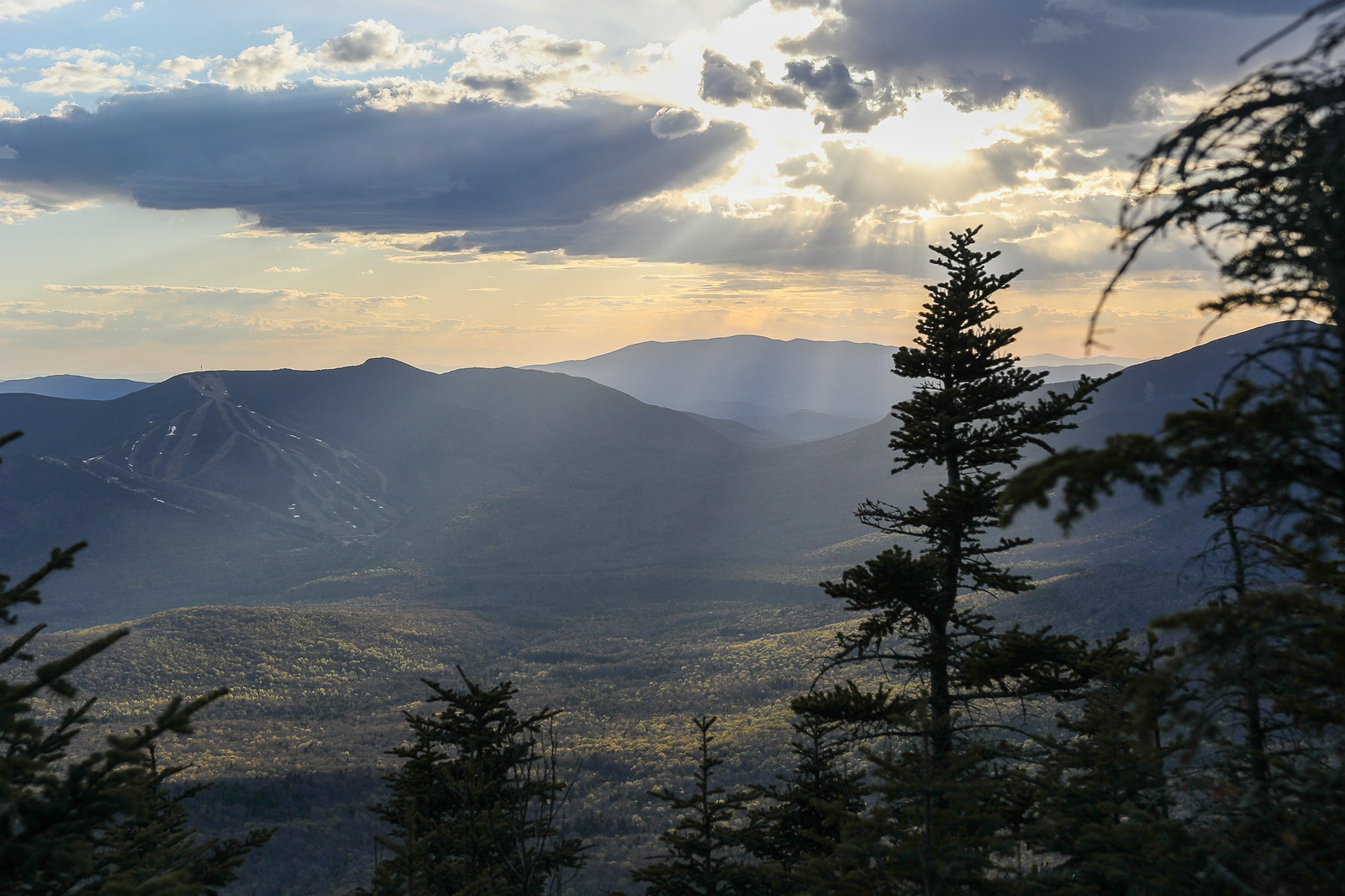
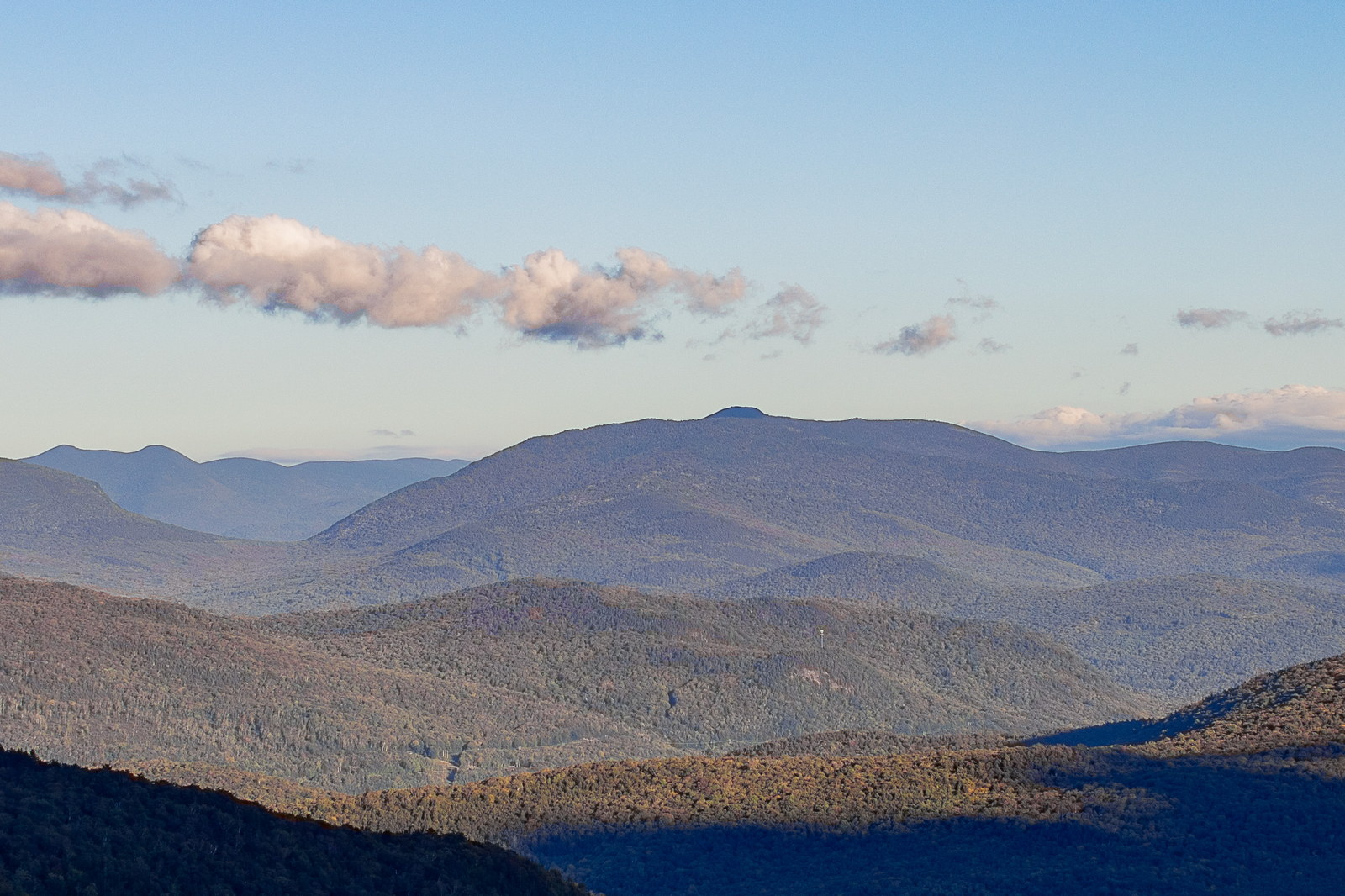
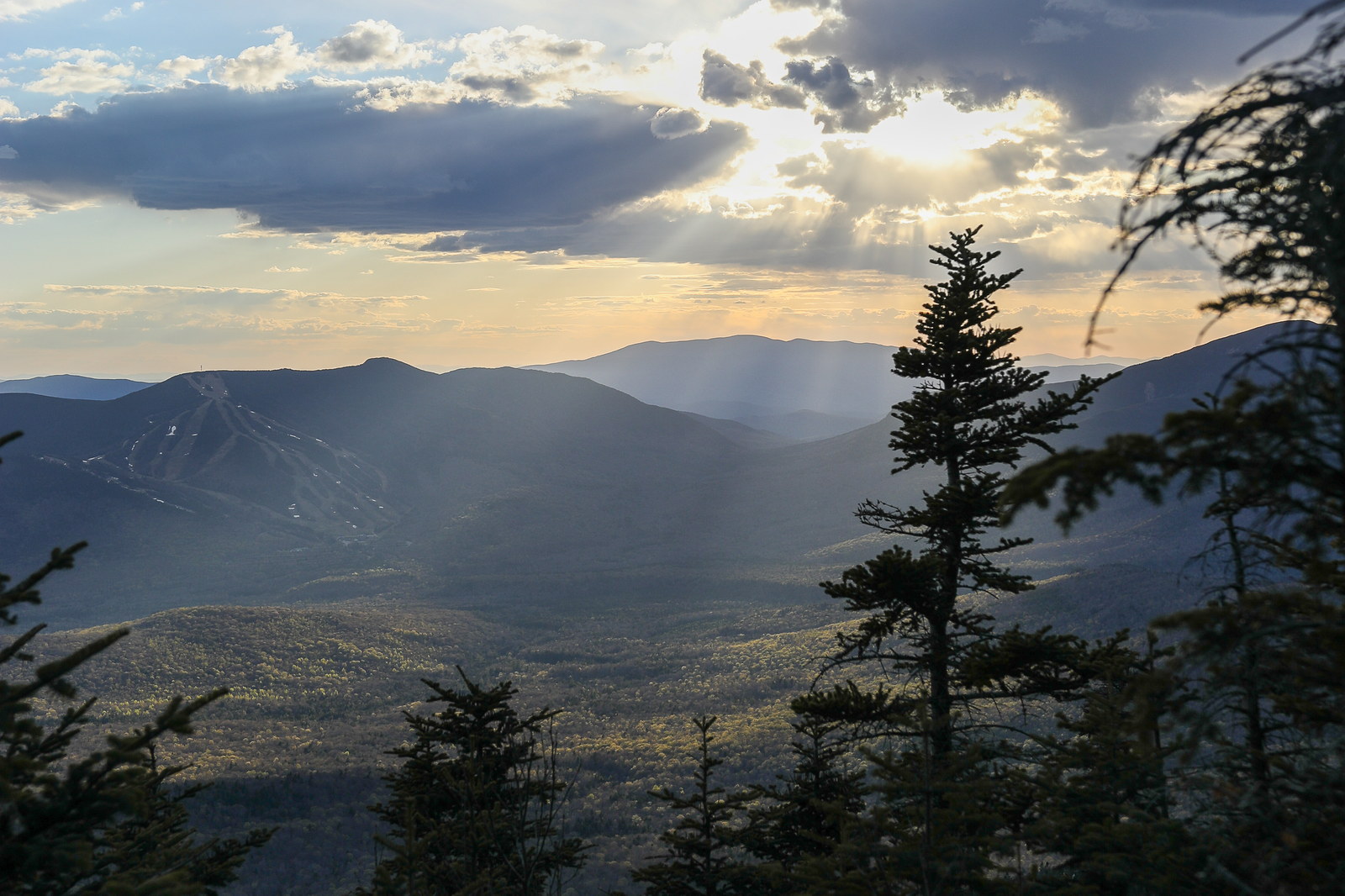
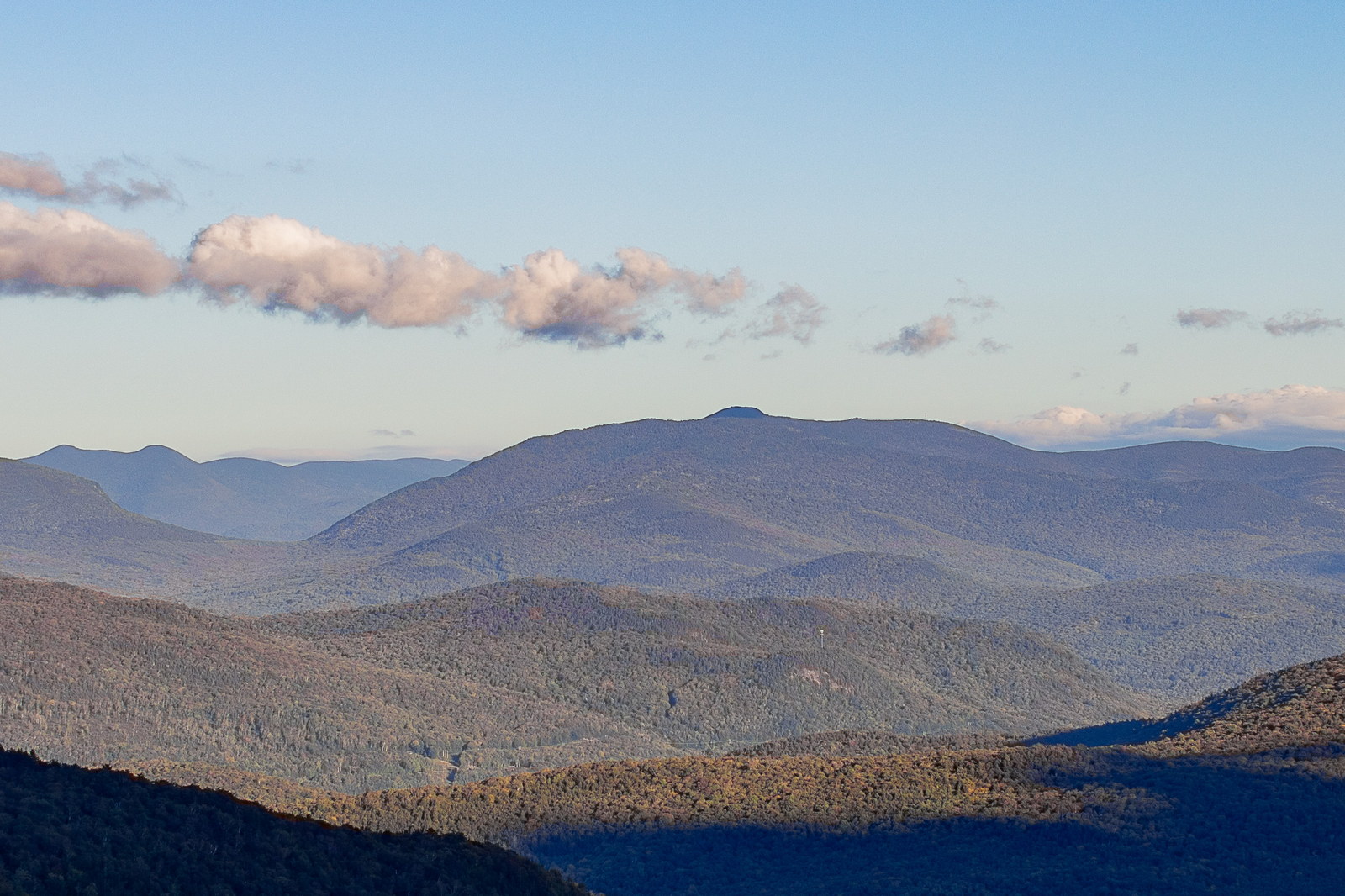
Mount Tecumseh is a 4,003-foot mountain in Grafton County, New Hampshire. It is the shortest mountain among the 48 NH 4,000-footers. Mount Tecumseh is part of the Sandwich Range and is most famous as the home of Waterville Valley Resort; ski trails cut through its northeastern slope. The mountain was named after the famous Shawnee chief Tecumseh. A hiking trail (the Mount Tecumseh Trail) leads to its summit from the ski area base. The summit is wooded, but a few outlook points near the top, and on ski trails, can provide views towards neighboring mountains like Mount Osceola, and down to the Waterville Valley. Mount Tecumseh’s modest elevation and accessible trail make it a popular hike, especially for beginners working on the 4,000-footer list. Mount Tecumseh is the shortest of the 48 four-thousand footers, located in the Sandwich Range and most famous as the home of the Waterville Valley Ski Area (its north side is carved by ski trails). The mountain was named after Chief Tecumseh, the renowned Shawnee leader who led a confederation of tribes in the early 1800s. Interestingly, Tecumseh never set foot in New England – he was based in the Ohio Valley and died in 1813 – but during the mid-19th century there was a vogue for naming peaks after notable Native American chiefs (despite no local connection). It’s likely that “Tecumseh” was chosen by mapmakers around the 1850s for this mountain, perhaps complementing other Native American names in the region (like nearby Mount Osceola, named for the Seminole chief). For a long time, Mount Tecumseh was relatively obscure because of its modest height and wooded summit. However, it gained prominence when in January 1966 the Waterville Valley ski resort opened. The founders (Tom Corcoran and partners) built trails and lifts on Tecumseh’s north slope, instantly making it accessible. The ski area proudly notes that it’s on one of the NH 4,000-footers. In the 1970s, with the rise of the 4,000-footer hiking craze, many people “checked off” Tecumseh by ascending via the Mount Tecumseh Trail, which follows alongside a ski slope for part of the way. Mount Tecumseh also saw precise surveying: in August 2019, using GPS technology, a survey found that the summit is actually about 3,997 feet above sea level (slightly lower than the long-accepted 4,003). Despite dropping just below the 4,000-foot threshold, it remains on the official list (with a footnote). Historically, Tecumseh’s area had some logging in the 19th century (the Thornton Gore and upper Mad River areas) but nothing notable on the summit. There were never any fire towers or major structures on the top; the ski area brings infrastructure only up to about 3,600 feet. One quirky historical event: in 1931, a small plane crash-landed on Mount Tecumseh’s flank (the pilot survived and hiked out). Today, hikers often note a commemorative sign near the start of the trail explaining the origin of the name. As the last on the list alphabetically and by height, Mount Tecumseh is sometimes the first or last peak aspiring “NH48” finishers tackle. Its gentle grades and short distance make it a popular hike for beginners. At the summit (which has a limited outlook just beyond), there’s a peaceful feeling – one can ponder the intersection of natural history and human history: a Native American namesake, an evolving understanding of elevation, and a mountain that went from unknown to beloved through recreation.