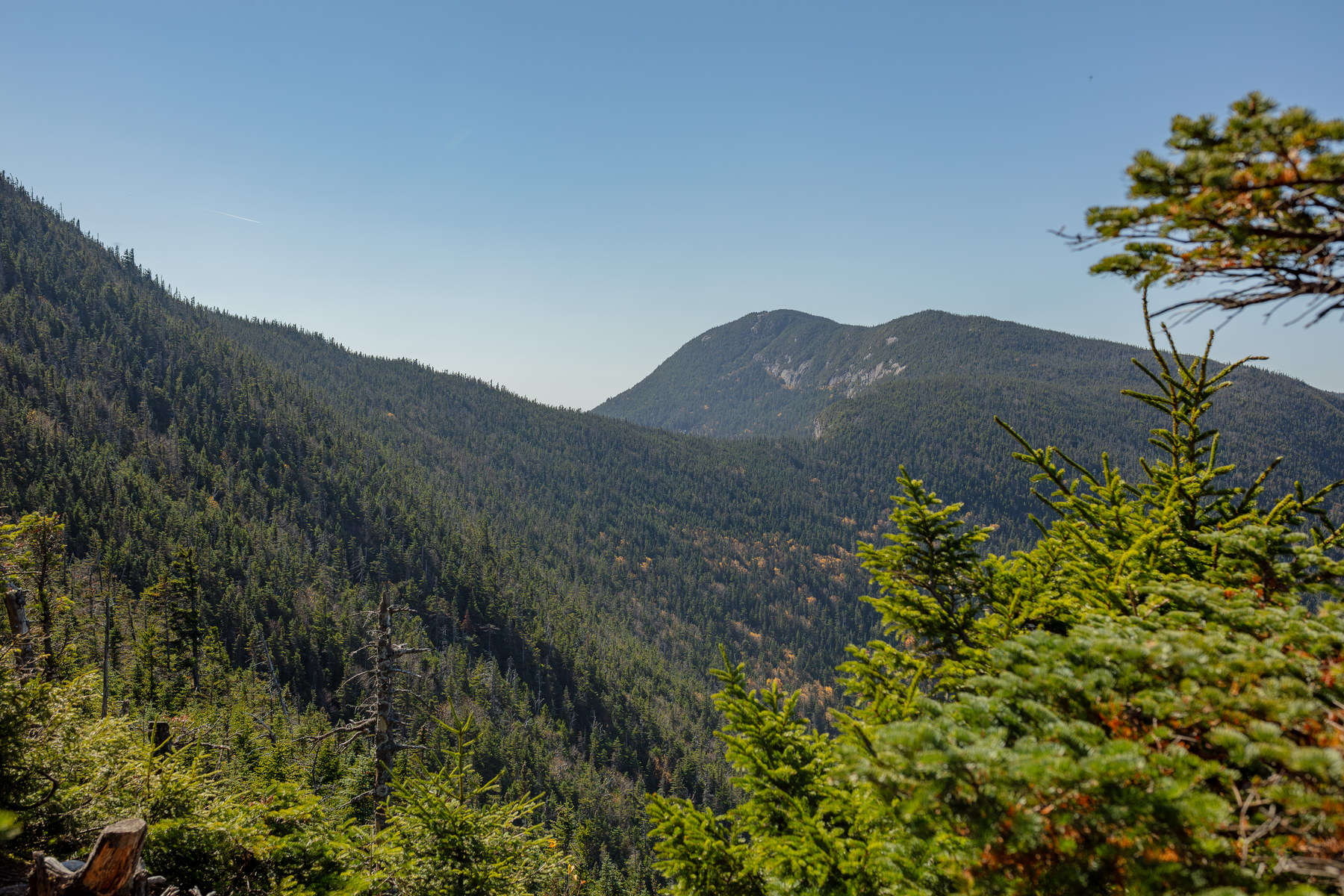
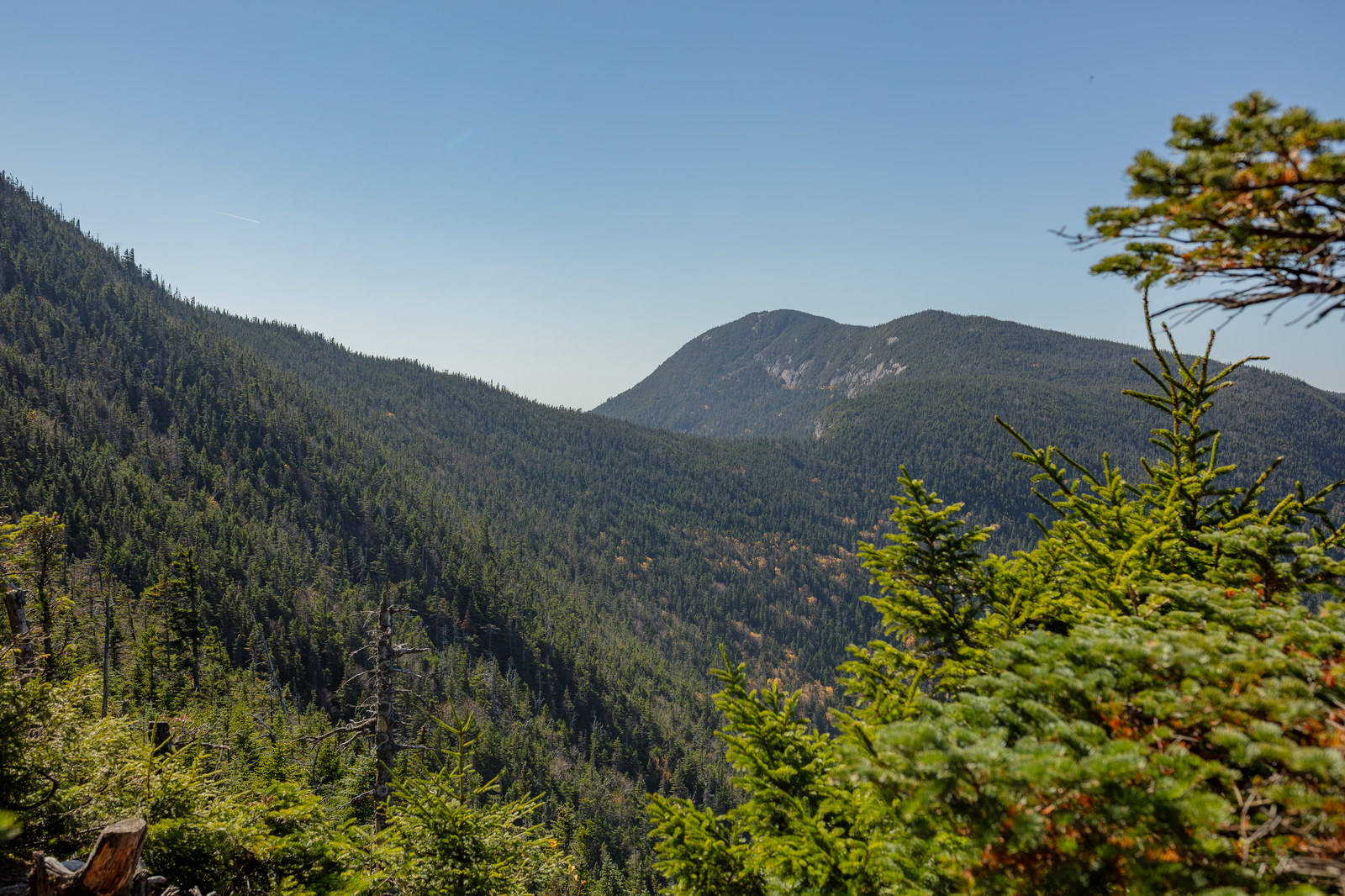
Mount Osceola is a 4,340-foot (1,320 m) peak within the White Mountains of New Hampshire. Located in the White Mountain National Forest (in Grafton County), the mountain is named for Osceola, the early-19th-century Seminole leader. It is the highest peak in the Waterville Valley region. Hikers often climb Mount Osceola via trails from Tripoli Road or from the Greeley Ponds area, and the summit offers fine views to the south and west. (Mount Osceola’s East Peak, at 4,156 feet, is a subordinate summit on the ridge to the northeast.) Mount Osceola is a prominent peak in the Sandwich Range, overlooking the Waterville Valley. It was named for Chief Osceola, the early-19th-century Seminole leader from Florida (born as Billy Powell). The name was likely applied in the mid to late 1800s, during a period when White Mountain surveyors and writers showed a romantic interest in Native American names. (It’s worth noting that Osceola himself never came near New Hampshire, but his name had a popular resonance after the Second Seminole War.) In the early 1900s, the U.S. Forest Service erected a fire lookout tower on Mount Osceola’s summit (around 1910). This tower, later rebuilt in steel, stood for decades as the primary fire-watching station for the southern White Mountains; it was finally removed in 1985 when aerial surveillance and better communication made it obsolete. The old stone tower footings are still visible at the summit, and a large rock cairn now occupies the high point. Mount Osceola was also the site of a small stone shelter (built by the CCC in the 1930s) for use by the fire warden. The mountain’s name and history reflect a blend of cultural homage and practical use. Osceola’s open ledges near the top provide fine views to the south and west, including sights of Lake Winnipesaukee on a clear day. Hikers often climb Osceola from Tripoli Road or via the steep trail from the Greeley Ponds, sometimes continuing over to East Osceola. With the fire tower gone, Mount Osceola today is valued mainly for recreation – though its name still reminds us of a Native American figure known for resistance and resilience, qualities not unfamiliar to those who climb these peaks.