Howker Ridge • Sub & Alpine Plant Catalog

Latest Plant Log Updates Trail Info

Jan 23 2026 — Migration to nh48.info & recent improvements Most recent

Migrated the Howker Ridge plant catalog to nh48.info and centralized photo database for faster loading and public access into another dataset. Recent improvements include expanded species metadata, refined habitat tags, higher-quality photo references, and a cleaner browsing layout.

Nov 12 2025 — Late-season alpine updates

Added late fall plant observations, cleaned up notes, and refreshed habitat tags based on recent trail surveys and photo reviews.

Sept 1 2025 — Why this catalog exists

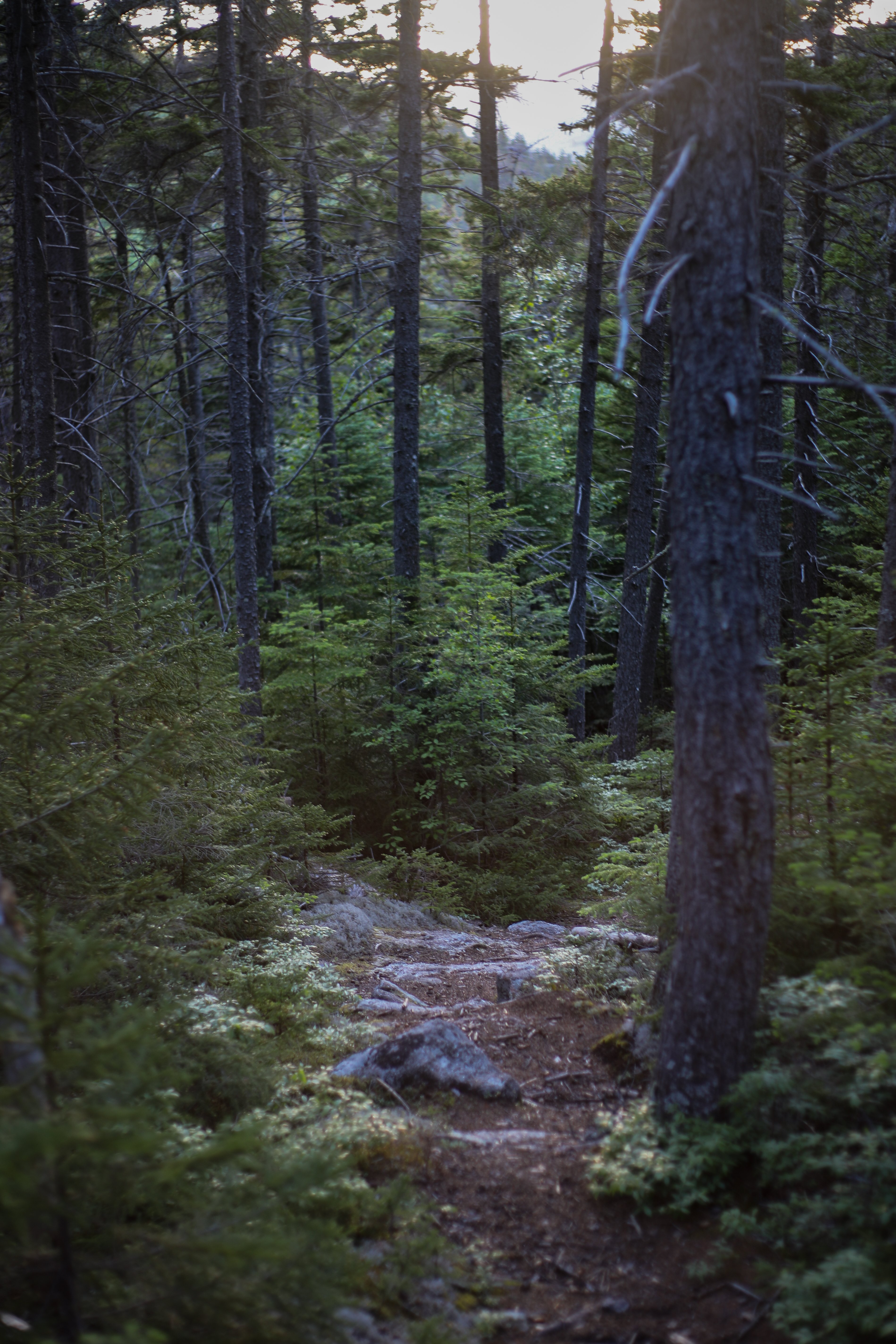
After hiking the Howker Ridge Trail on Mount Madison, I became captivated by the unique geology and location of the Howker Ridge Trail. Traversing an incredibly diverse set of ecosystems ascending Mt. Madison, the trail hosts a uniquely diverse set of ecosystems I'd argue, hard to find this close together anywhere in New England, I'm working on photographing, documenting, and in the future recording exact locations of some of these plants with conservation and alpine regulations in mind. Howker Ridge, like many areas in the White Mountains was subject to different levels of logging which adds a layer of complexity.

24 plant records. Showing page 2 of 2.
Popular tags
Showing 12 of 24 plants
Mountain Cranberry

Mountain Cranberry

Vaccinium vitis-idaea

A mat-forming alpine cranberry (lingonberry) with waxy evergreen leaves and bright red edible berries, carpeting windswept ridges and bogs alike.

ShrubEarly June to mid-July (pink urn flowers); red berries late summer–fall

Old Man’s Beard Lichen

Usnea sp. (beard lichen)

Long, hair-like pale green lichen that drapes from tree limbs like an old man’s wispy beard – a sure sign of fresh air and a damp forest.

LichenNon-flowering (lichen; propagates via fragmentation and tiny powdery soredia year-round)

Orange Cone Mushroom

Hygrocybe sp. (waxcap)

A small, brilliantly orange mushroom with a conical cap – a waxy-cap fungus popping up from mossy alpine soils after summer rains, adding a splash of color to the tundra.

FungusFruiting mid-summer to fall (mushrooms appear after rains, Jul–Sept)

Partridgeberry

Mitchella repens

A tiny evergreen vine that carpets the forest floor with glossy paired leaves and bright scarlet berries, quietly decorating the woods year-round.

Creeping VineLate June–July (twin white tubular flowers); fruits red berries ripen in fall and persist

Pincushion Moss

Leucobryum glaucum

A cushiony bright-green moss that forms velvety mounds on the forest floor – like little pillows of living sponge soaking up rain in the woods.

MossNon-flowering (moss; spore capsules occasionally on short stalks)

Pixie-cup Lichen

Cladonia pyxidata

A whimsical lichen sprouting tiny trumpet-shaped cups from mossy logs and soil – as if a fairy left behind a set of little green goblets in the woods.

LichenNon-flowering (lichen; reproduces via spores or fragmentation year-round)

Reindeer Lichen

Cladonia rangiferina

A pale gray, branching lichen that forms crunchy mats over alpine rocks and barrens – famously known as "reindeer moss" and vital in arctic ecosystems.

LichenNon-flowering (lichen; reproduces via fragmentation or spores year-round)

Running Clubmoss (Staghorn Clubmoss)

Lycopodium clavatum

A primitive, fern-like plant carpeting the forest floor with trailing, “pine branch” stems – an ancient evergreen that reproduces by spores instead of flowers.

ClubmossNon-flowering (clubmoss; produces yellowish spore cones in midsummer)
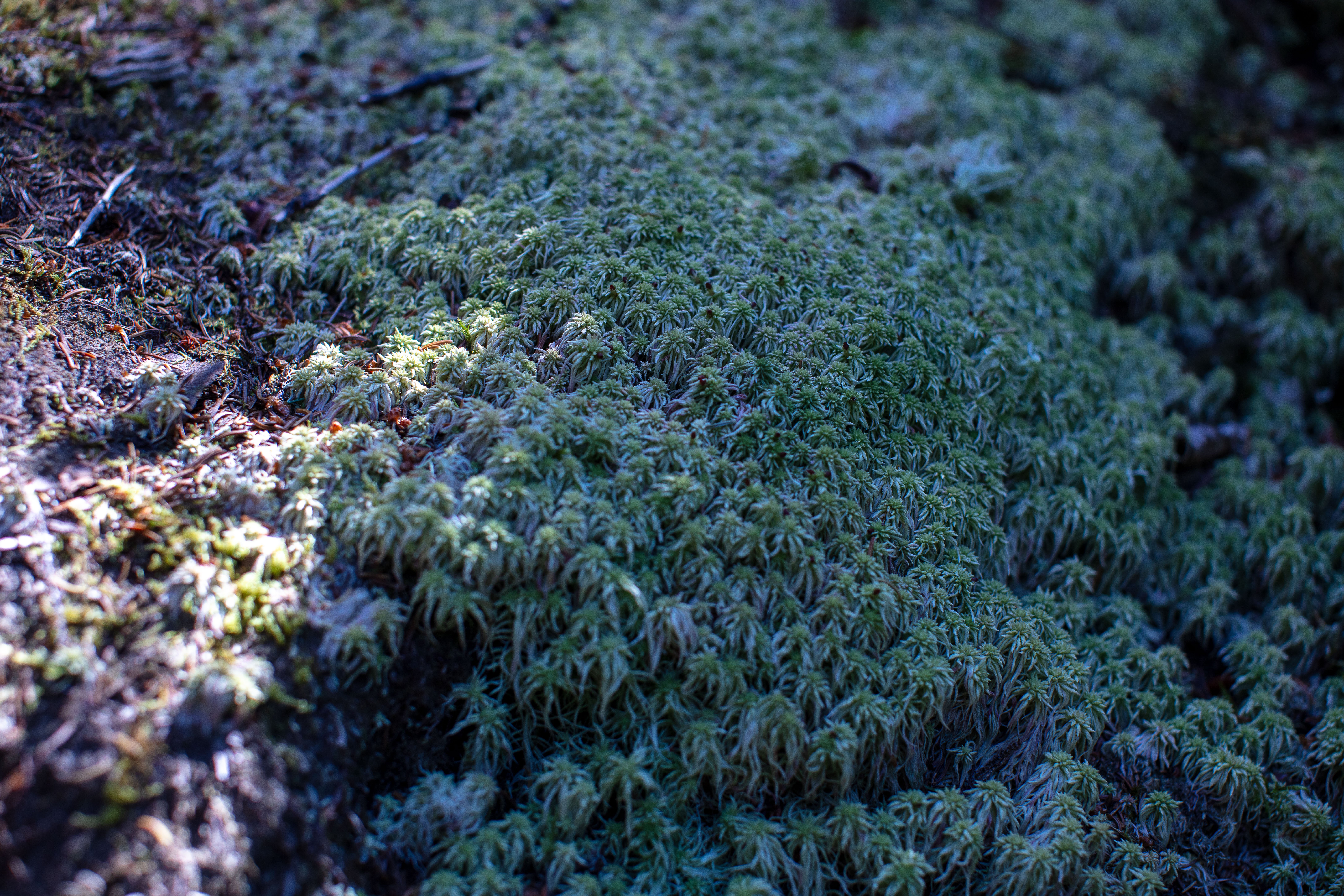
Sphagnum Moss

Sphagnum Moss

Sphagnum (peat moss)

A cushiony, waterlogged carpet moss that forms peat – the spongy green mats in bogs and alpine seeps, famed for soaking up water and preserving ancient secrets.

MossNon-flowering (moss; spores released from capsule in summer)
Spruce (Subalpine Spruce)

Spruce (Subalpine Spruce)

Picea

Spire-like evergreen conifer of the high mountains, becoming twisted and mat-like at the windy edge of treeline.

Coniferous TreeNon-flowering (conifer; pollinates May; seed cones mature by fall)

White Cushion Moss

Leucobryum glaucum

A plush, pillow-like moss that forms soft green cushions on the forest floor – appearing bright green when wet and whitish-gray when dry.

MossNon-flowering (moss; releases spores from tiny capsules on slender stalks, often in late summer)

Zigzag Goldenrod

Solidago flexicaulis

A shade-loving goldenrod with broad, toothed leaves and a kinked stem, sprinkling yellow blossoms through late-summer woodlands.

WildflowerAugust–September (clusters of small yellow flower heads along zigzag stems)
Showing 12 of 24 plants