
Alpine Bilberry
Vaccinium uliginosum
TypeShrubElevation4500–6200 ftPeak/BloomLate May-June
Alpine heath and subalpine ledges with thin, acidic soils
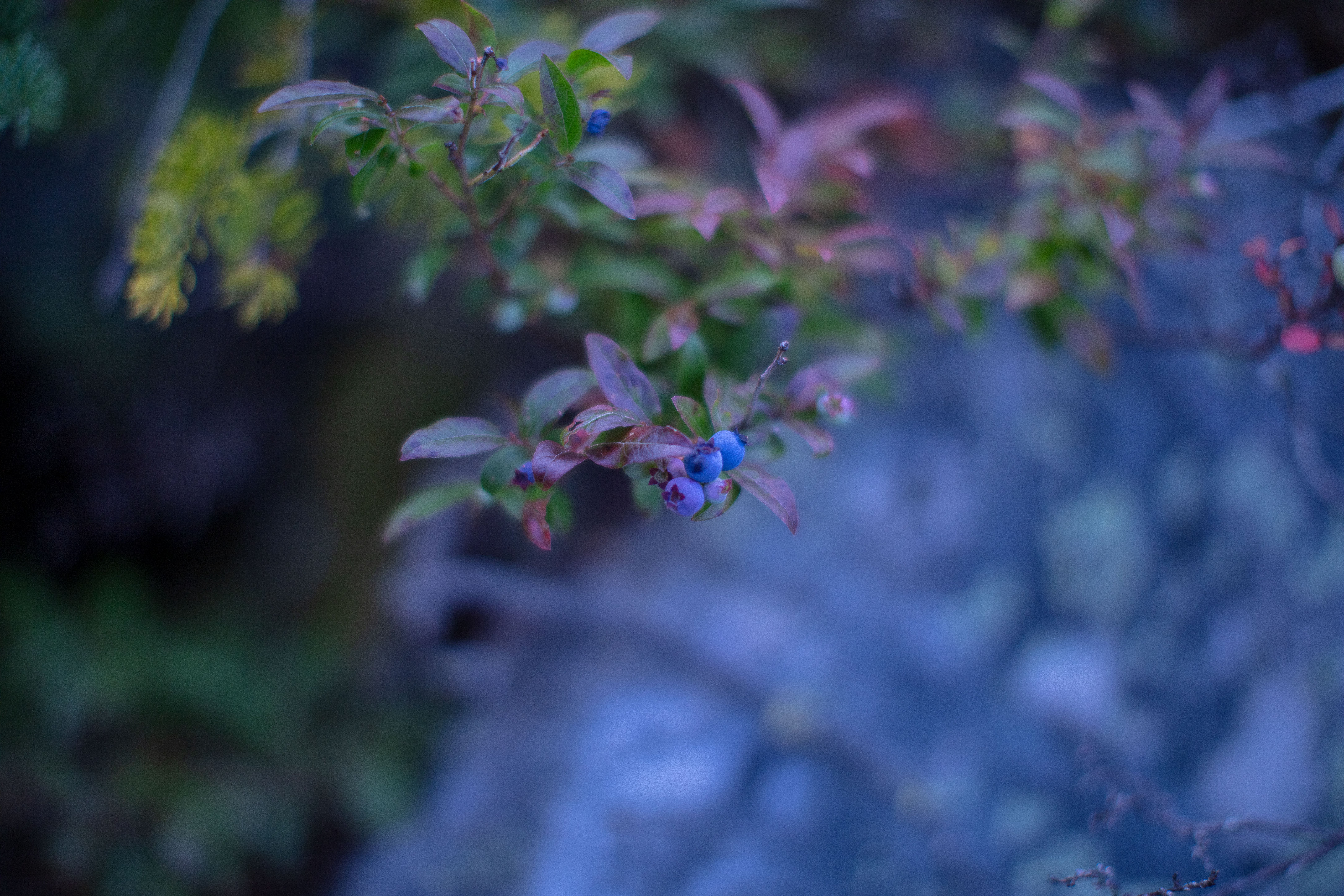
Howker Ridge • Sub & Alpine Plant Catalog
Planning the route behind these observations? Read the complete Howker Ridge Trail Guide to Mount Madison.
Alpine heath and subalpine ledges with thin, acidic soils
Woodland edges, semi-shaded thickets, and disturbed forest understories; tolerates poor, rocky or dry soils
Old stumps, logs, and acidic soils in open woods or clearings; often found in mossy, partly sunny forest floor locations
Fields, roadsides, and open clearings; disturbed ground with full sun
Shady, moist deciduous and mixed forests; often on slopes, ravines, and along streams in rich woods
Moist woods, bog edges, and streambanks; also found in clearings with acidic, damp soil
Moist, rich northern hardwood and spruce-fir forests; often in shady stream gullies, forest seeps, and at the bases of moist slopes or cliffs
Mossy, decaying wood in moist conifer forests; rotting logs, stumps, and peaty soil in shaded areas
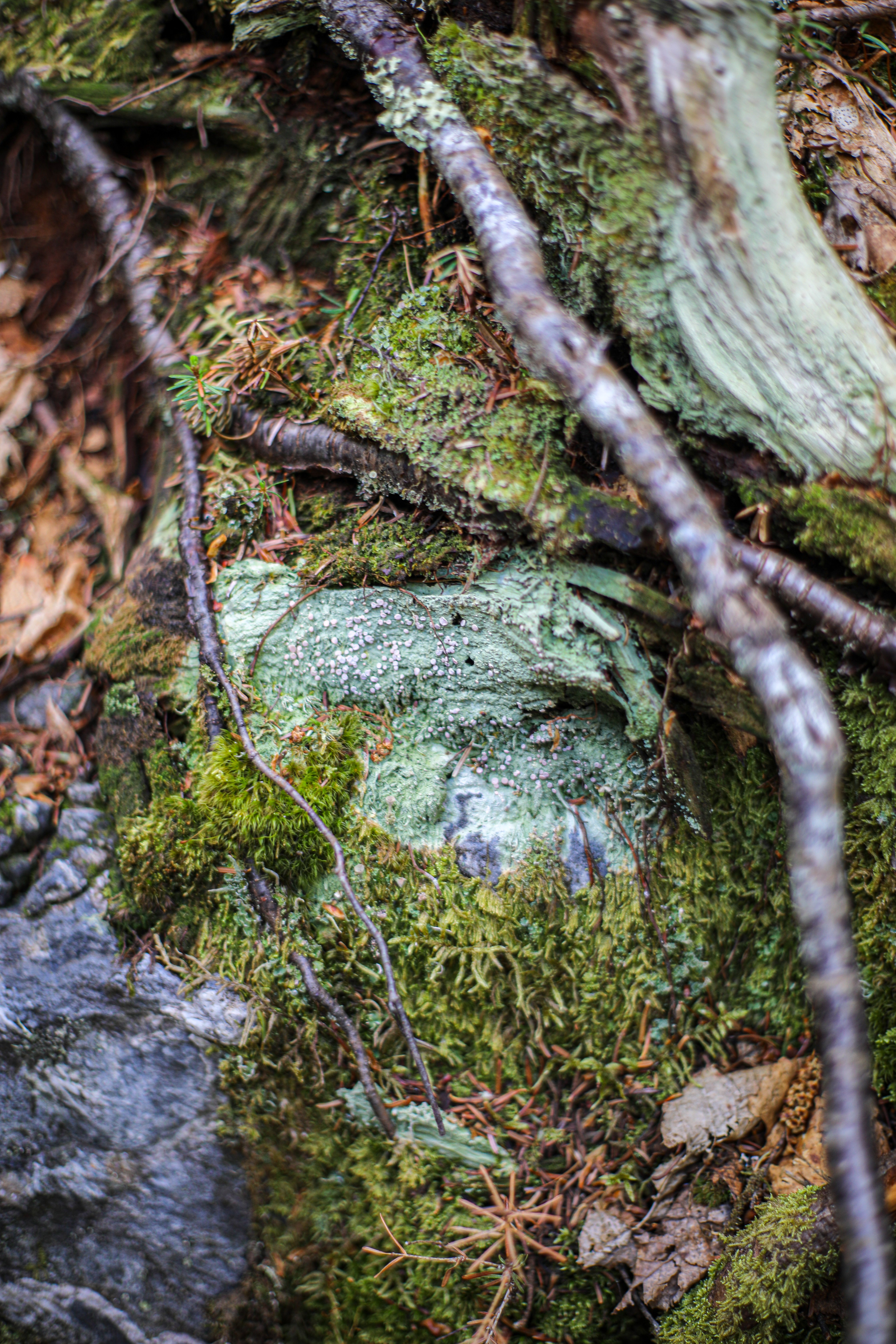
Moist meadows, streambanks, and open woods; often in swampy thickets or near seeps
Bogs and alpine peat mats; sheltered moist hollows near treeline, krummholz edges
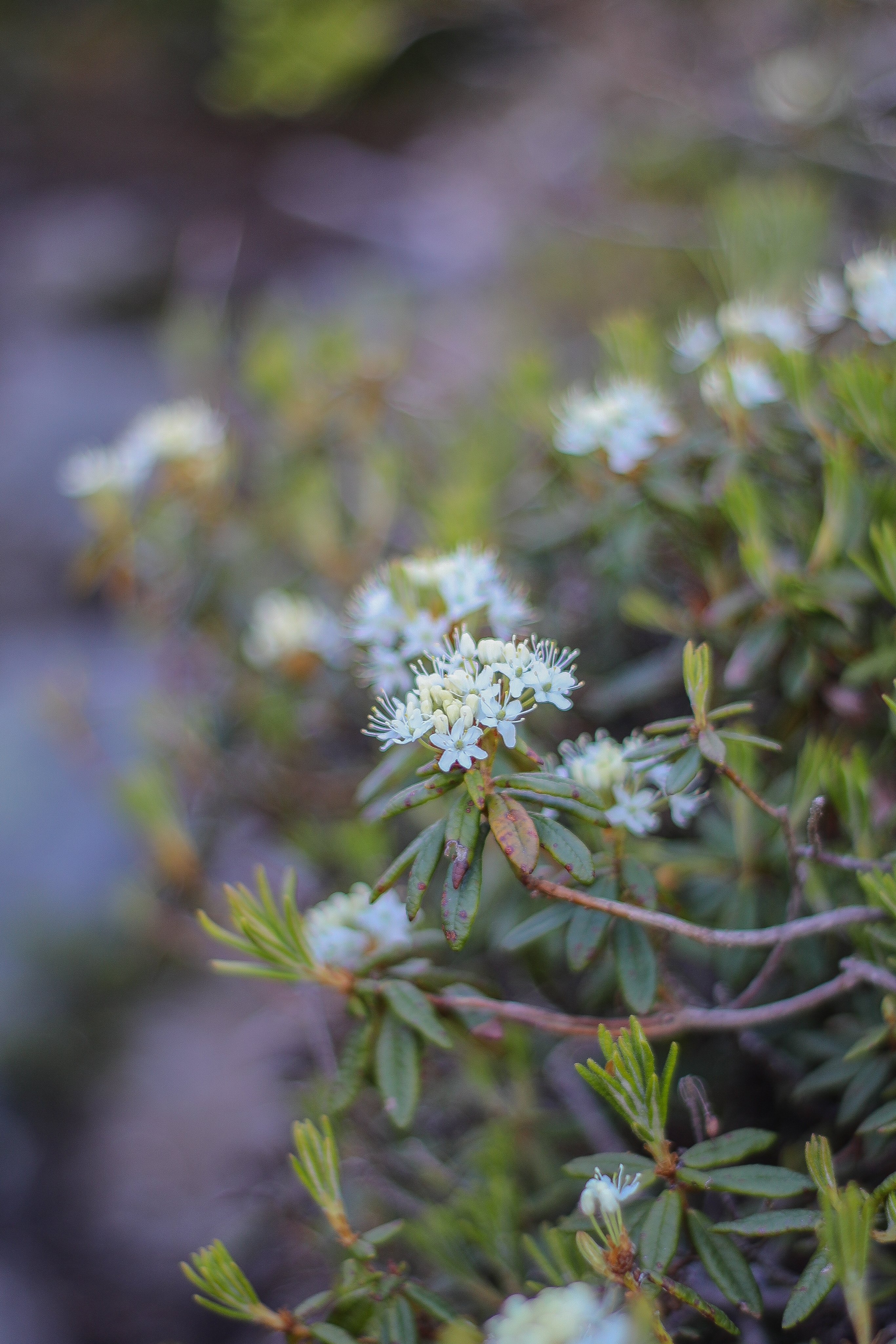
Exposed alpine ridges and talus (felsenmeer); rocky crevices and leeward sides of boulders above treeline
Humid, shaded woodlands with mature trees; grows on bark of both hardwoods and conifers (and occasionally mossy boulders) in clean, moist air
Alpine and subalpine heath; rocky acidic slopes and mossy bog mats
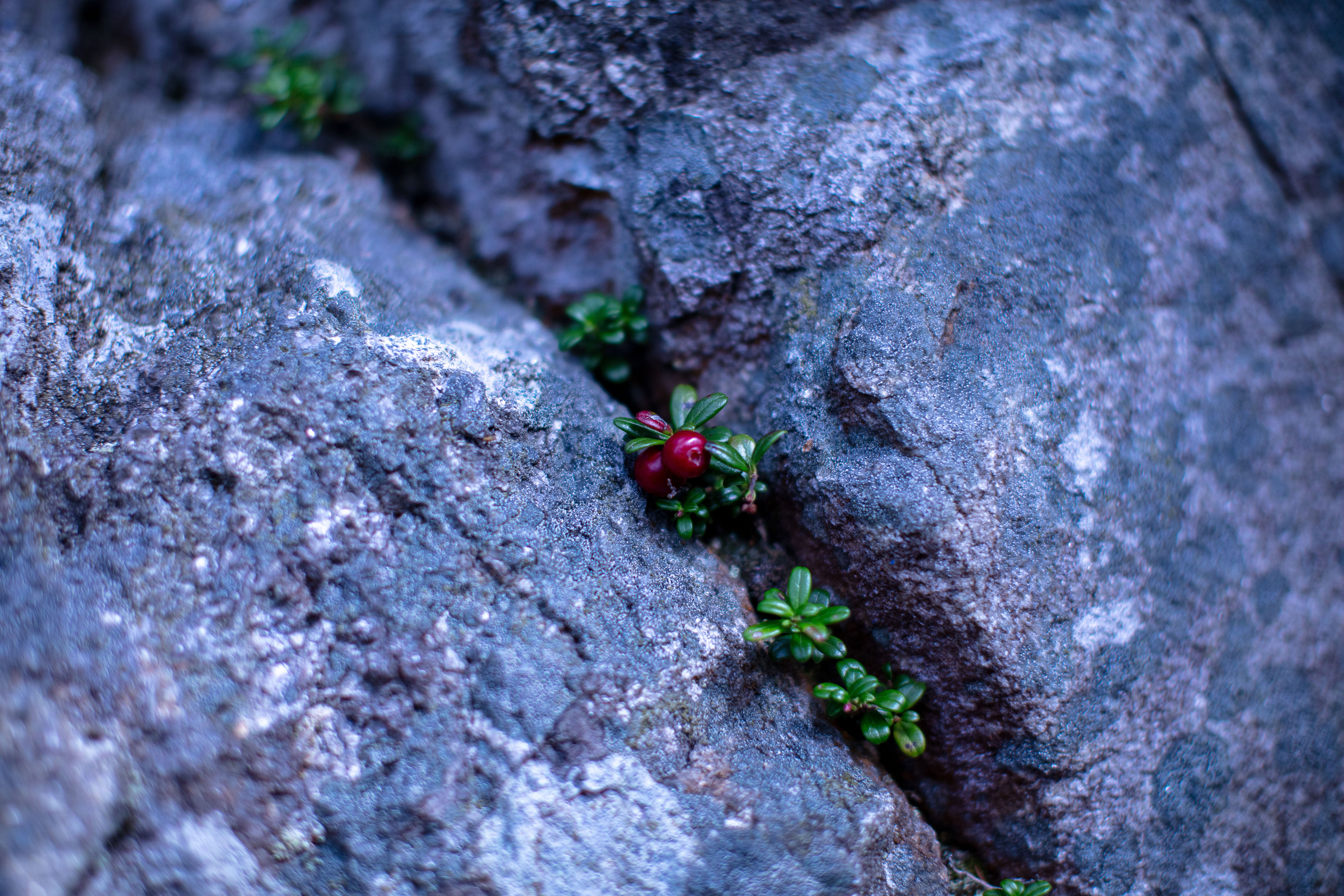
Hanging from the branches and trunks of trees in moist, cool forests; especially abundant on older or dead trees in areas with clean, humid air
Damp, mossy ground in subalpine forests and alpine meadows; often in grassy, unimproved soils with little competition
Shaded forest floors under hardwoods or conifers; well-drained, acidic leaf litter and mossy logs
Temperate forests (deciduous, mixed, conifer); forming cushions on soil, rocks, or decaying stumps in shady, humid areas
Decaying logs, damp soil, and rock surfaces in forests; prefers moist, shaded to semi-shaded locations with moss
Open, well-drained areas on rock or thin soil; alpine tundra, subalpine ledges, and pine barrens
Open woods, forest edges, and mossy clearings; often on dry, acidic or sandy soil in upland forests
Field guide context
Bloom calendar: spring and early summer favor flowers; late summer brings berries and seed heads; mosses, lichens, and evergreens remain useful year-round.
Leave no trace: stay on rock or durable trail surfaces near krummholz and alpine mats, and use photos rather than picking plants for identification.
Migrated the Howker Ridge plant catalog to nh48.info and centralized photo database for faster loading and public access into another dataset. Recent improvements include expanded species metadata, refined habitat tags, higher-quality photo references, and a cleaner browsing layout.
Added late fall plant observations, cleaned up notes, and refreshed habitat tags based on recent trail surveys and photo reviews.
After hiking the Howker Ridge Trail on Mount Madison, I became captivated by the unique geology and location of the Howker Ridge Trail. Traversing an incredibly diverse set of ecosystems ascending Mt. Madison, the trail hosts a uniquely diverse set of ecosystems I'd argue, hard to find this close together anywhere in New England, I'm working on photographing, documenting, and in the future recording exact locations of some of these plants with conservation and alpine regulations in mind. Howker Ridge, like many areas in the White Mountains was subject to different levels of logging which adds a layer of complexity.